

Overview
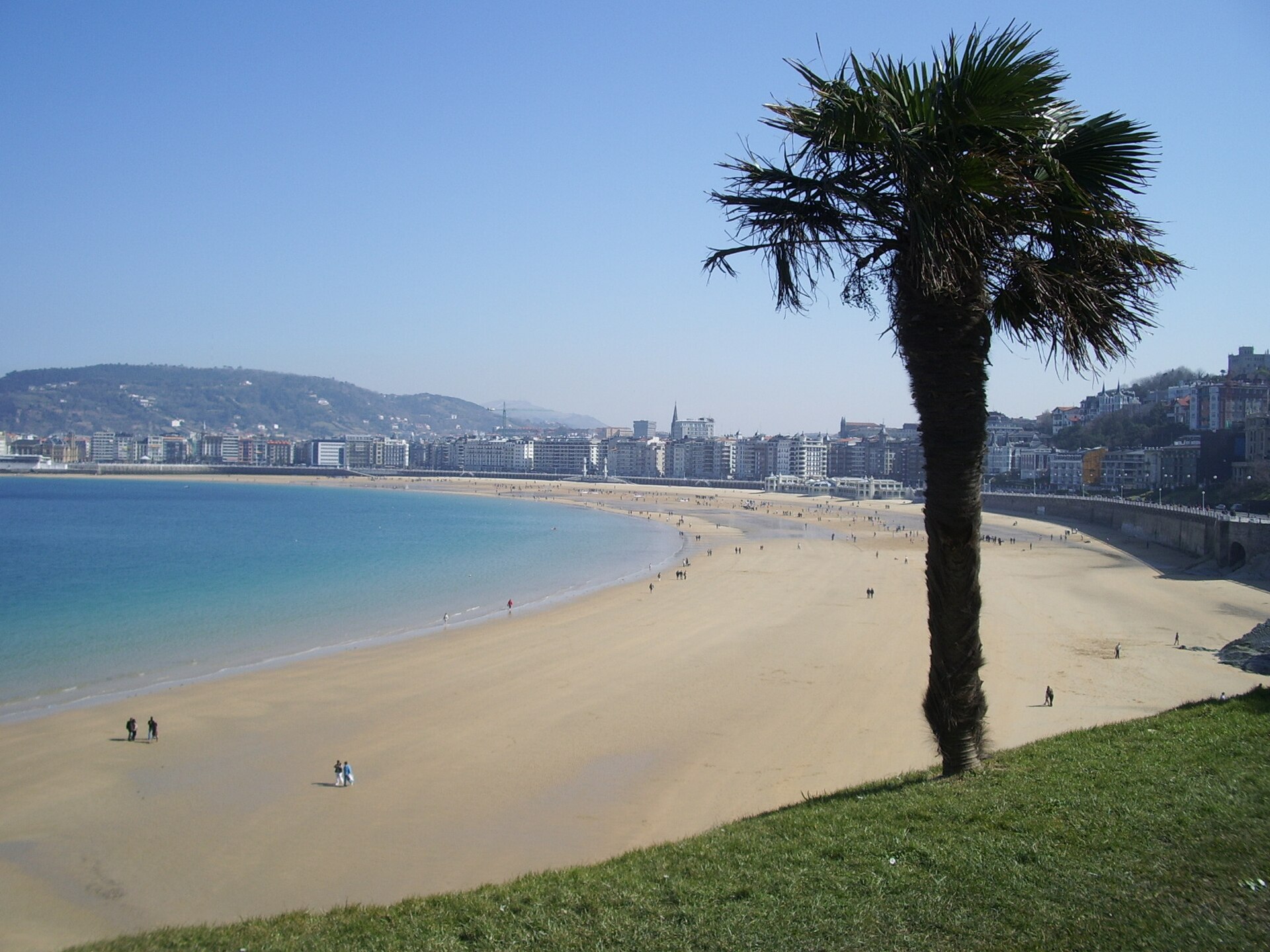
Curving gracefully between Monte Urgull to the east and Monte Igueldo to the west, La Concha is regularly ranked among the finest urban beaches in Europe. Its name — "the shell" — describes the near-perfect crescent of golden sand stretching 1.35 kilometres along San Sebastián's waterfront. At the centre of the bay sits Santa Clara island, a small pine-covered outcrop that acts as a natural breakwater, keeping the waters calm and inviting. The iconic promenade running behind the sand is framed by ornate Belle Époque wrought-iron railings, installed in 1916, which have become the most photographed symbol of the city. Whether you're visiting San Sebastián for its world-class gastronomy or exploring the broader treasures of Spain, La Concha is the beating heart of the Basque seaside experience.
Wildlife
Royal history: Guides recount how Queen Isabel II turned this fishing cove into Spain's most fashionable summer retreat in the 1840s. Architecture stories: The promenade railings, Miramar Palace, and La Perla spa each carry fascinating tales a guidebook won't cover. Tidal knowledge: Locals know the exact windows when sandbanks emerge and the best spots shift with the tide. Hidden perspectives: Guides lead you to lesser-known viewpoints above the beach that most visitors walk right past. Cultural connections: Understanding why donostiarras treat their beach as a living room rather than a tourist attraction
Trails
Promenade stroll: Walk the full 1.35 km crescent from Miramar Palace to the Old Town, tracing the ornamental railings the entire way. Santa Clara island: Take the summer ferry to this tiny island for a secluded swim and panoramic views back toward the city. Sunset from the sand: Watch the sun drop behind Monte Igueldo while the bay turns shades of amber and violet. Kayaking the bay: Paddle across the sheltered waters for a unique angle on the city skyline and surrounding green hills. Open-water swimming: Join local swimmers on the route from the beach to Santa Clara — an 800-metre crossing through gentle currents. La Perla spa: Soak in the thalassotherapy centre built into the promenade, with floor-to-ceiling windows overlooking the bay
When to Visit
Peak season (July-August): Water reaches 20-22°C, sunshine averages 8 hours daily, but expect crowded sand by midday. Shoulder season (June & September): Pleasant air temperatures around 20-24°C, thinner crowds, and still-swimmable water. Low tide advantage: The beach nearly doubles in width at low tide, revealing firm sand perfect for long walks — check tide tables at the tourist office or online. Early morning: Arrive before 10 AM in summer for the calmest water and open sand, plus soft light ideal for photography. Sunset viewing: Late afternoon light casts warm gold across the bay; the western end near Miramar Palace offers unobstructed sunset views
Admission and Costs
Beach access: Completely free, year-round, no reservations needed. Sun lounger rental: €6-8 per day during summer months. Umbrella rental: €5-7 per day. Kayak hire: €12-15 per hour from operators near the promenade. Paddleboard rental: €15-20 per hour. Santa Clara ferry: ~€4 round trip (summer only, June-September)
Tips for Visitors
Arrive early in summer: By noon on hot days, finding open sand becomes a challenge — locals claim their spots by 10 AM. Check the tides: Low tide exposes wide, firm sand ideal for walking and games; high tide pushes everyone closer to the promenade wall. Bring water shoes: While mostly sandy, some rocky patches appear near the western end at low tide. Mind the jellyfish flags: Occasional summer jellyfish arrivals are flagged by lifeguards — yellow flag means caution, red means stay out. Free showers: Public shower stations are spaced along the promenade, so you can rinse off before heading to the Old Town for pintxos. Parking challenge: Street parking near the beach fills early; use the underground car park at Boulevard or arrive by bus