

Overview
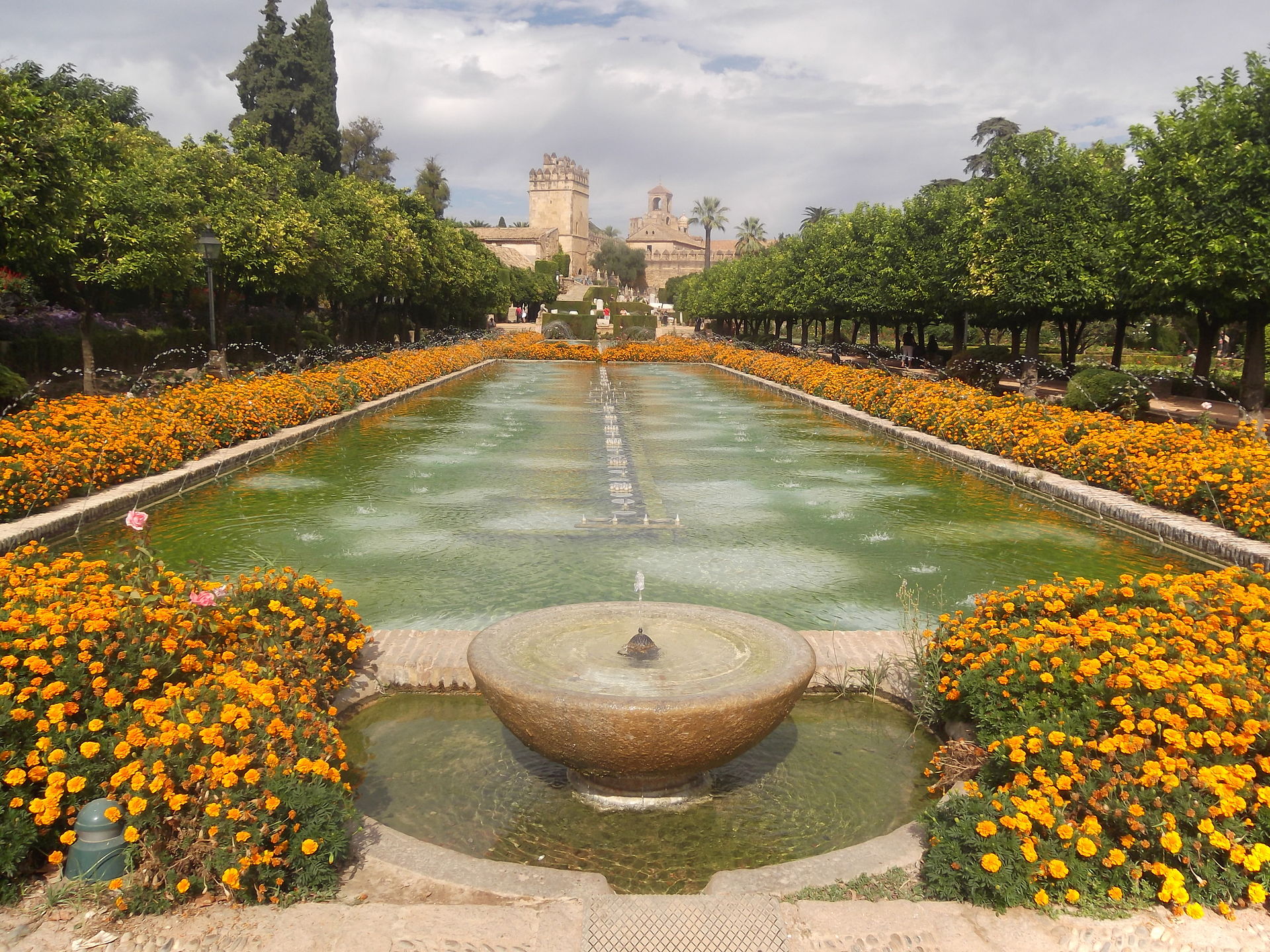
Built in 1328 by Alfonso XI on the ruins of a Moorish palace, the Alcázar de los Reyes Cristianos served as the primary residence of the Catholic Monarchs, Ferdinand and Isabella, for nearly eight years as they directed the final campaigns of the Reconquista from Córdoba. It was here, in 1486, that Christopher Columbus first laid out his audacious plan to sail west to the Indies — a meeting that would reshape world history. The fortress later served as the headquarters of the Spanish Inquisition and, centuries afterward, as a civil prison before its restoration and opening as a monument. Today visitors walk through austere stone halls housing Roman mosaics, climb four corner towers for sweeping views, and descend into terraced gardens where cascading pools, clipped hedgerows, and citrus groves stretch toward the banks of the Guadalquivir. Pair a visit with the neighbouring Jewish Quarter and the nearby Mezquita-Cathedral for a full morning exploring the historic core of southern Spain's most layered city.
Notable Rooms
The Alcázar's walls have witnessed seven centuries of power, persecution, and transformation, but its spare military architecture doesn't announce those stories the way an ornate cathedral might. A guide fills the silence. They explain how Ferdinand and Isabella received Columbus in the Sala de los Mosaicos, why the Inquisition chose this particular building as its tribunal, and how the Roman mosaic of Polyphemus and Galatea ended up beneath a medieval fortress. In the gardens, a guide can decode the Moorish irrigation engineering that makes the terraced waterways function and point out design elements borrowed from the Alhambra in Granada. Without narration, the Alcázar is a pleasant walk; with it, the fortress becomes a thriller spanning Roman Córdoba to the Age of Exploration.
Fortification History
Tower of the Lions: Climb the tallest of the four corner towers for a panoramic sweep from the Mezquita to the Sierra Morena foothills. Roman mosaics: Study immense 2nd-century floor panels depicting mythological scenes, excavated from beneath Córdoba's modern streets. Terraced gardens: Walk the geometric pathways between reflecting pools flanked by cypress, orange, and lemon trees. Reflecting pools: Watch goldfish glide beneath the still surface of long rectangular basins that mirror the fortress walls. Columbus audience hall: Stand in the room where the Catholic Monarchs first heard Columbus argue for royal sponsorship of his expedition. Summer night visit: See the gardens transformed by coloured lights and illuminated fountains during warm-season evening openings
When to Visit
Tuesday–Saturday: 8:30 AM – 8:45 PM (last entry 8:15 PM). Sunday: 8:30 AM – 2:30 PM. Monday: Closed. Night visits: Available in summer (typically mid-June to mid-September), times vary by year. Best timing: Late afternoon avoids tour-bus crowds and catches the best garden light
Admission and Costs
General admission: €5 (fortress, mosaics, gardens, and towers). Children under 14: Free. Combined municipal ticket: Approximately €9 (includes other Córdoba monuments). Guided group tour: €15–20 per person (1–1.5 hours, entry included). Private guide: €90–150 for up to 6 people (tickets purchased separately). Night visit: €7 when available (summer season only)
Tips for Visitors
Go late in the day: Afternoon light makes the gardens glow, and large tour groups typically visit before lunch. Tower stairs are narrow: The stone spiral staircases to the battlements are tight and steep; take your time and let descending visitors pass. Bring sun protection: The gardens are beautiful but largely open; a hat and sunscreen are essential from May to September. Photography tip: The best reflection shots on the pools happen in the still air of early morning or at dusk. Allow 1–1.5 hours: Add 30 minutes if you want to linger in the gardens or sketch by the pools. Combine strategically: The Alcázar sits between the Roman Bridge and the Jewish Quarter — walk south across the bridge for views, then loop back north through the Judería to the Mezquita