

Overview
Engineering depth: A guide explains the cable-stay mechanics, counterweight system, and how Palacio adapted Eiffel's iron construction techniques for an entirely original purpose. Industrial Revolution context: The bridge emerged from the same Basque iron mining boom that fueled Bilbao's growth -- a guide weaves together the economic, social, and technological threads. Architectural comparisons: Learn how this prototype inspired transporter bridges in Middlesbrough, Rouen, Buenos Aires, and elsewhere -- and why most of those successors no longer survive. Local neighborhood stories: Guides often include a walking tour of Portugalete's medieval old town or Getxo's grand mansions, adding layers beyond the bridge itself. UNESCO significance: Understand why the inscription committee singled out this bridge and what criteria it met as a heritage landmark
Observation Points
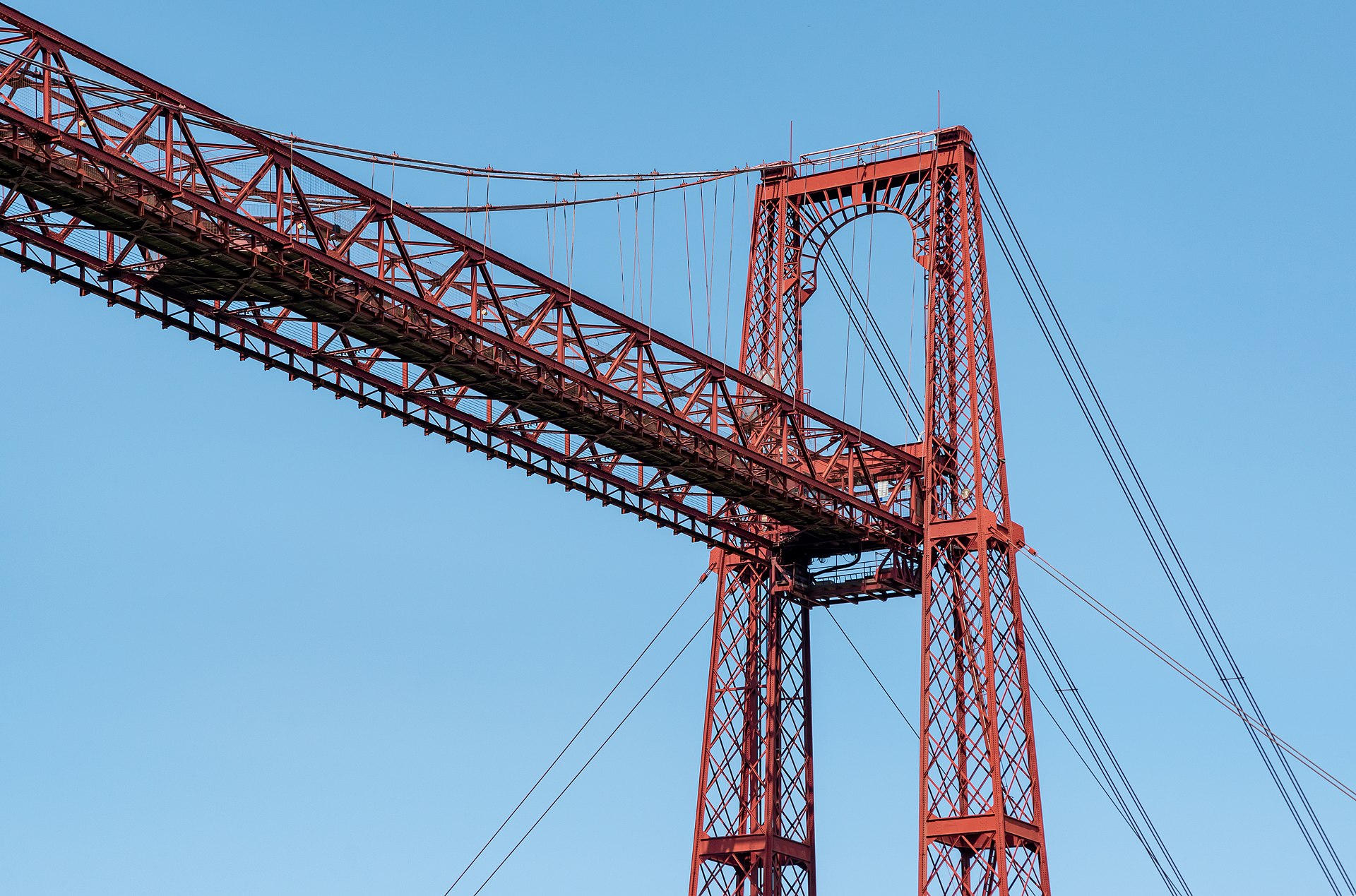
Spanning the mouth of the Nervion River between the towns of Getxo and Portugalete, the Puente de Vizcaya holds a distinction no other bridge on Earth can claim: it was the first transporter bridge ever built. Designed by Basque architect Alberto de Palacio -- who had trained alongside Gustave Eiffel -- and inaugurated on July 28, 1893, the bridge solved an elegant problem. The busy river estuary needed to remain open for tall-masted ships carrying iron ore, yet people and cargo still had to cross. Palacio's solution was a high iron framework standing 61 metres tall, from which a gondola platform hangs on steel cables and glides horizontally across the 160-metre span in roughly 90 seconds. More than 130 years later, that same gondola still ferries commuters, cars, and curious visitors back and forth every eight minutes. UNESCO recognised the bridge as a World Heritage Site in 2006, calling it an outstanding achievement of the Industrial Revolution that inspired nearly 20 similar structures across Europe and the Americas. For those with steady nerves, a pedestrian walkway 50 metres above the water offers sweeping views of the Cantabrian coastline. Fold this visit into your broader Bilbao itinerary, or discover more across Spain.
Engineering Facts
Gondola ride: Stand on the open-air platform as it glides 50 metres below the iron framework, crossing the river in 90 seconds flat. Walkway crossing: Step onto the glass-floored pedestrian path 50 metres above the water for vertigo-inducing views of ships, the estuary, and the Cantabrian coast. Engine room: Peer into the original motor house where electric motors replaced the steam engines that once powered the gondola. Portugalete old town: Cross over to explore the medieval streets, the Basilica of Santa Maria, and the waterfront promenade on the south bank. Getxo coastline: From the north bank, walk along the dramatic cliffs and beaches of Getxo toward the old port of Algorta. Photo spots: The best vantage point for photographing the full bridge structure is from the Portugalete quayside, especially at low tide when the iron legs are fully exposed
When to Visit
Gondola crossing: Runs daily, every 8 minutes, from early morning until approximately 10 PM. Walkway and exhibition: Daily, 10 AM - 7 PM (extended to 8 PM in summer). Closed: Walkway may close during high winds or severe weather for safety. Best time: Late afternoon for golden light over the estuary and fewer visitors on the walkway. Sunset bonus: Time your walkway visit for sunset and watch the Cantabrian sky turn amber above the iron lattice
Admission and Costs
Gondola crossing (pedestrian): €2 one way. Gondola crossing (car + passengers): €6.35. Walkway + gondola: €10 (includes elevator access, walkway crossing, and one gondola ride). Exhibition only: Included with walkway ticket. Guided group tour: €8-15 per person (45-60 minutes, covers history and engineering). Private guide: €80-120 for up to 6 people (includes walking tour of Getxo or Portugalete)
Tips for Visitors
Check the wind: The walkway closes when gusts exceed safety thresholds -- call ahead or check the bridge's website on blustery days. Dress warmly: The estuary funnels coastal wind even on mild days; a windbreaker is essential for the walkway. Combine with the coast: After crossing, walk 20 minutes along Getxo's cliffside path to Ereaga beach for a memorable half-day excursion. Round-trip planning: Ride the gondola one direction and walk back across the walkway (or vice versa) for the full experience without retracing your steps. Metro convenience: Both Areeta (Getxo) and Portugalete metro stations are a short walk from the bridge -- no taxi needed. Allow 1-1.5 hours: That covers the gondola ride, walkway crossing, exhibition, and time for photographs