
Busan timeline
-
Beomeosa founded
The temple on Geumjeongsan ties Busan's mountain culture to the Silla period.
-
Beomeosa Temple
Beomeosa Temple — mountain monastery founded in 678 CE, accessible by bus and forest trail
-
Busanpo opens to trade
Joseon-era port access made Busan a controlled gateway for exchange with Japan.
-
Treaty port opens
The port opened under treaty pressure, beginning Busan's modern international trade role.
-
Wartime temporary capital
During the Korean War, Busan became the refuge capital behind the Pusan Perimeter.
-
Asian Games city
Hosting the Asian Games added stadiums and global attention to the port city.
Cited city facts
Key facts for visiting Busan
The Port of Busan ranks among the world's ten busiest container ports
Busan handles the large majority of South Korea's container traffic, making the city economically significant beyond its tourism appeal; the container terminal cranes visible from Gwangalli Beach are a deliberate reminder of the city's working identity alongside its coastal leisure culture
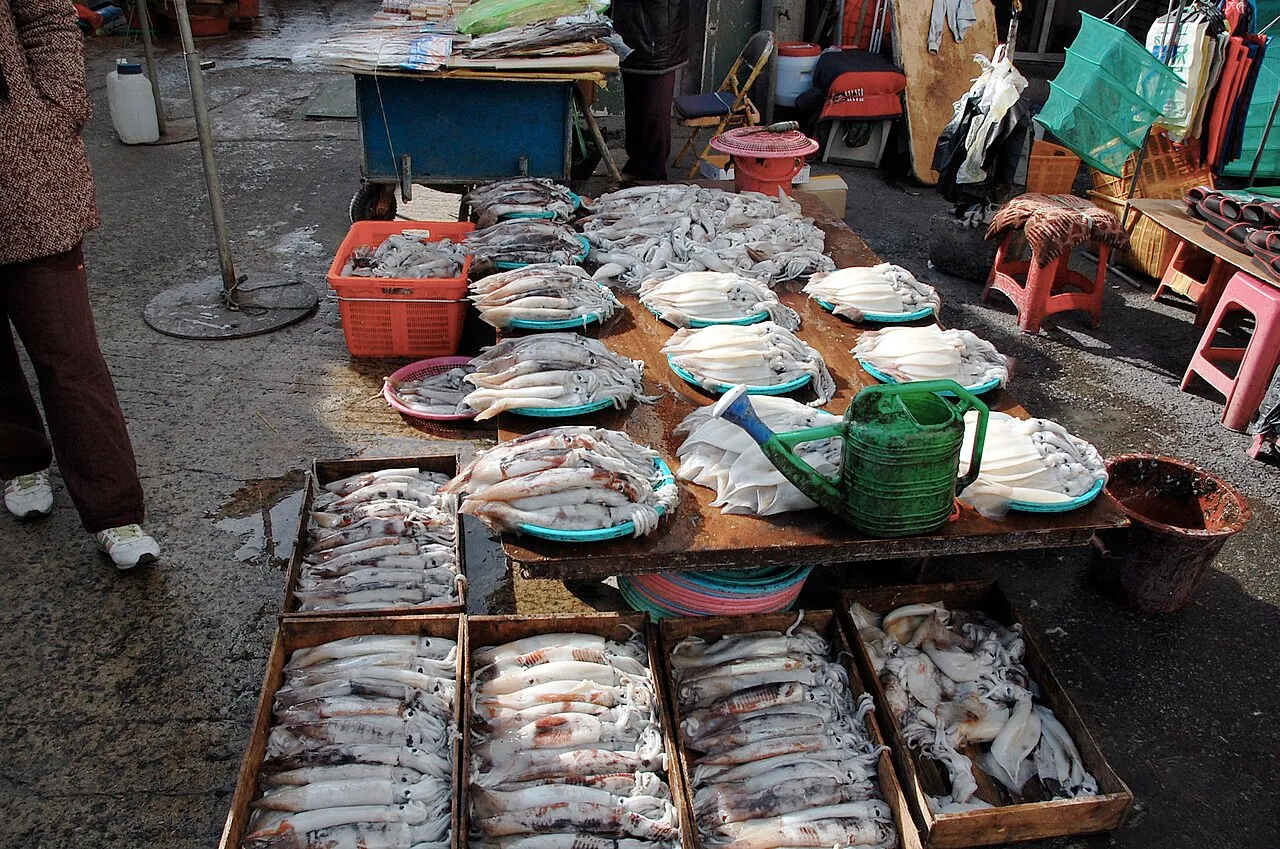
Jagalchi Fish Market is the largest seafood market in South Korea
Traced to displaced vendors who settled the Jagalchi waterfront during and after the Korean War, the market now anchors a seven-storey building opened in 2006 alongside open-air stalls along the harbour, run by the ajumma (market women) vendors who have kept their stalls for generations
The Busan International Film Festival has run every year since 1996
Founded in 1996, BIFF is one of Asia's leading film festivals, drawing well over 150,000 attendees in recent editions; it has launched numerous Korean directors and actors to international recognition, and its October dates coincide with Busan's most comfortable travel weather
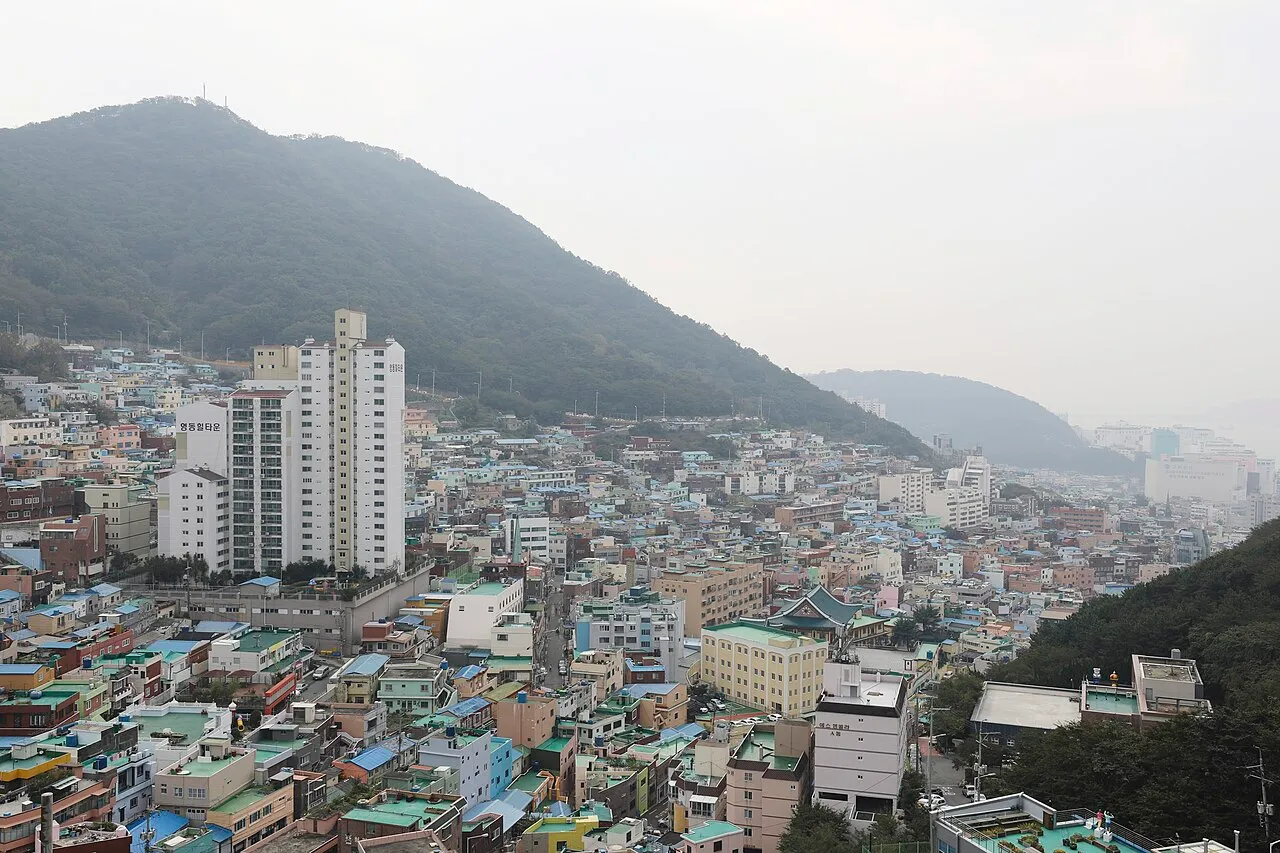
Gamcheon Culture Village was originally a 1950s refugee settlement
The pastel-painted hillside neighbourhood began as emergency housing for Korean War displaced persons from a religious community; the 2009 Culture and Art Village project transformed its steep alleyways into a community-led open-air gallery while retaining many original residents
Beomeosa Temple was founded in 678 CE during the Silla dynasty
The mountain monastery on the slopes of Geumjeongsan has been rebuilt after wartime destruction but endures as one of Korea's principal Seon (Zen) temples, reached from the city by subway to Beomeosa station and a short bus ride or forest trail up the hillside
Source: tour-guide.com — Free to cite with attribution
Things to see
What are the top attractions in Busan?
- Gamcheon Culture Village — Korea's most photogenic hillside neighbourhood, a maze of murals and alleyway galleries
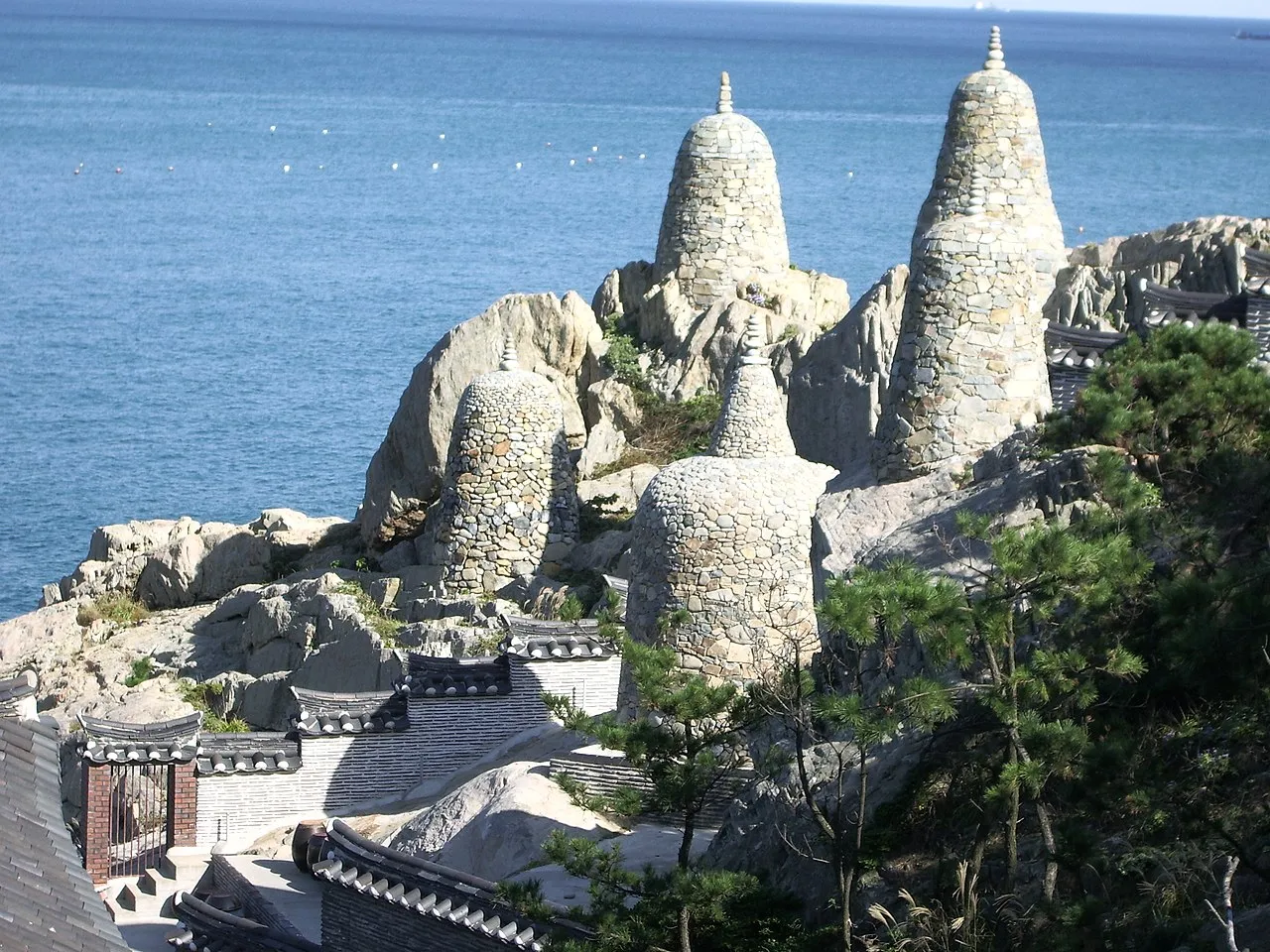
- Haedong Yonggungsa Temple — a rare Buddhist temple built directly on the rocky coastline above crashing waves
- Jagalchi Fish Market — South Korea's largest seafood market, best experienced with a guide who orders for you
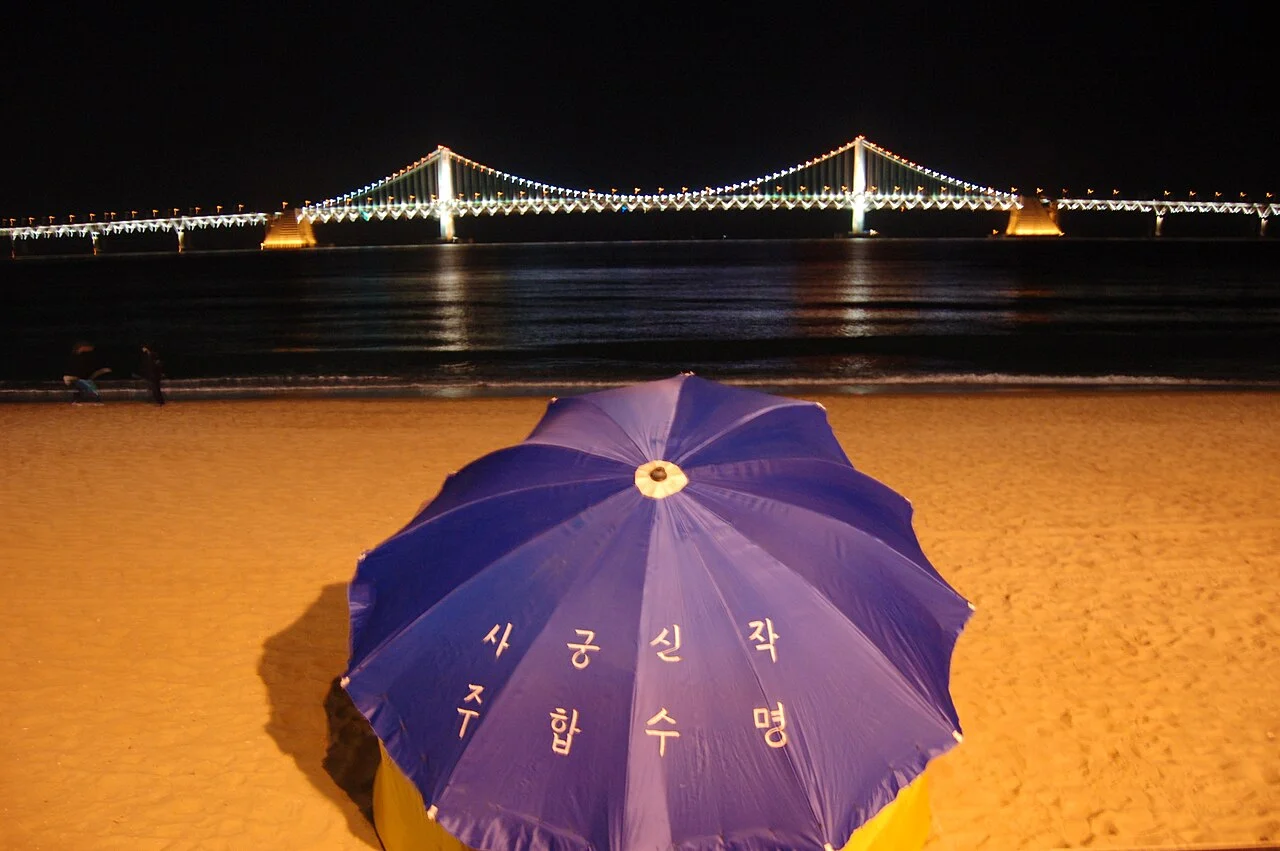
- Gwangalli Beach — a long sweep of sand beneath the illuminated Gwangan Bridge, best at night
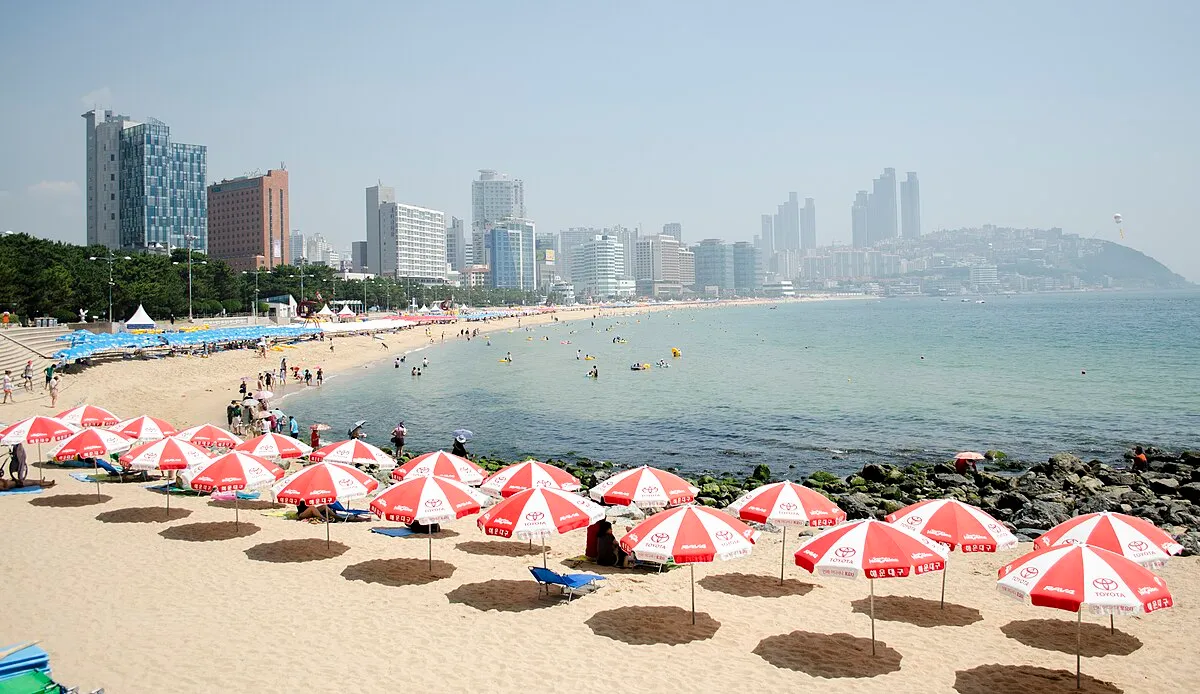
- Haeundae Beach — Korea's most popular beach, with a famous seafood street and the Busan Aquarium
- Beomeosa Temple — mountain monastery founded in 678 CE, accessible by bus and forest trail
Gamcheon Culture Village
Korea's most colourful hillside neighbourhood — art, history, and steep alleyways
Gwangalli Beach
Busan's urban beach where the illuminated Gwangan Bridge meets Korea's finest raw fish
Haedong Yonggungsa Temple
A Buddhist temple rising from the rocky coastline above the crashing East Sea
Jagalchi Fish Market
South Korea's largest seafood market, alive with ajumma vendors and raw fish culture
Guide planning
How much does a tour guide cost in Busan?
| Tour Type | Price | Details |
|---|---|---|
| Group Cultural Walk | ₩20,000–40,000 | $15–30 per person |
| Food Tour (raw fish + pork soup) | ₩60,000–90,000 | $45–67 per person with tastings |
| Half-Day Private | ₩100,000–200,000 | $75–148 |
| Full-Day Private | ₩200,000–350,000 | $148–260 |
| Coastal Temple & Beach Tour | ₩150,000–250,000 | $111–185 private |
Season planner
When is the best time to visit Busan?
October is Busan's prime month — the Busan International Film Festival fills the city with international visitors and cinematic energy, the autumn light on Gwangalli Beach is golden, and Gamcheon Village looks its most photogenic without the summer humidity. Cherry blossom season in late March–early April transforms the slopes around Beomeosa Temple and the Nakdong River banks. For beach culture, July and August deliver the full Korean summer resort experience at Haeundae — plan well ahead as accommodation books out entirely. Haedong Yonggungsa Temple is stunning year-round but particularly dramatic on winter mornings when sea mist rolls across the rocks.
Spring
Mar-May
Summer
Jun-Aug
Autumn
Sep-Nov
Winter
Dec-Feb
Each score averages that season’s monthly ratings out of 5. The top-rated window is usually the peak season too, so read the guidance above for its trade-offs before you book.
On the ground
How do you get around Busan?
- Subway — four lines with English signage; buy Busan CitiTour Pass for tourist discounts
- City bus — extensive network covering coastal areas subway doesn't reach; numbered routes are English-labelled
- T-money card — works on all public transit; buy at convenience stores or subway stations
- Taxi — Kakao Taxi app works in Busan; affordable and metered
- Gamcheon Village — narrow alleyways mean walking only inside the village; take bus 2 or 2-2 from Toseong subway station
Frequently Asked Questions
What is the best time to visit Busan?
Busan's coastal location means it enjoys milder winters than Seoul and slightly hotter summers, making it a year-round destination. September and October deliver Busan's finest weather — clear skies, 20–25°C temperatures, and the Busan International Film Festival (BIFF) in October, which transforms Haeundae district into a cultural event of international significance. Spring from March through May brings cherry blossom festivals along the Nakdong River and warm ocean breezes. July and August pack Haeundae Beach with millions of Korean summer vacationers — exciting for the atmosphere, exhausting for the crowds. Winter is cold but manageable, and the seafood is at its richest from the autumn through early spring season.
How much does a tour guide cost in Busan?
Busan guide costs are slightly lower than Seoul. Group cultural walks through Gamcheon Village or the temple and beach circuit run 20,000–40,000 KRW ($15–30) per person. Private half-day guides for the Jagalchi Fish Market and Gamcheon combination cost 100,000–200,000 KRW ($75–148). Food tour guides specialising in Busan's raw fish (hoe) culture, dwaeji gukbap pork soup, and grilled shellfish run 60,000–90,000 KRW per person including tastings.
How do you get around Busan?
Busan's subway system has four lines covering the main tourist areas including Haeundae Beach, Gamcheon Village (nearest station Toseong), Jagalchi Market, and the international ferry terminal. T-money or Cashbee IC cards work on subway and city buses. A taxi from Gimhae Airport to Haeundae takes about 40 minutes. For Haedong Yonggungsa Temple and more distant coastal spots, city buses or a private guide with vehicle access are more convenient.