

Overview
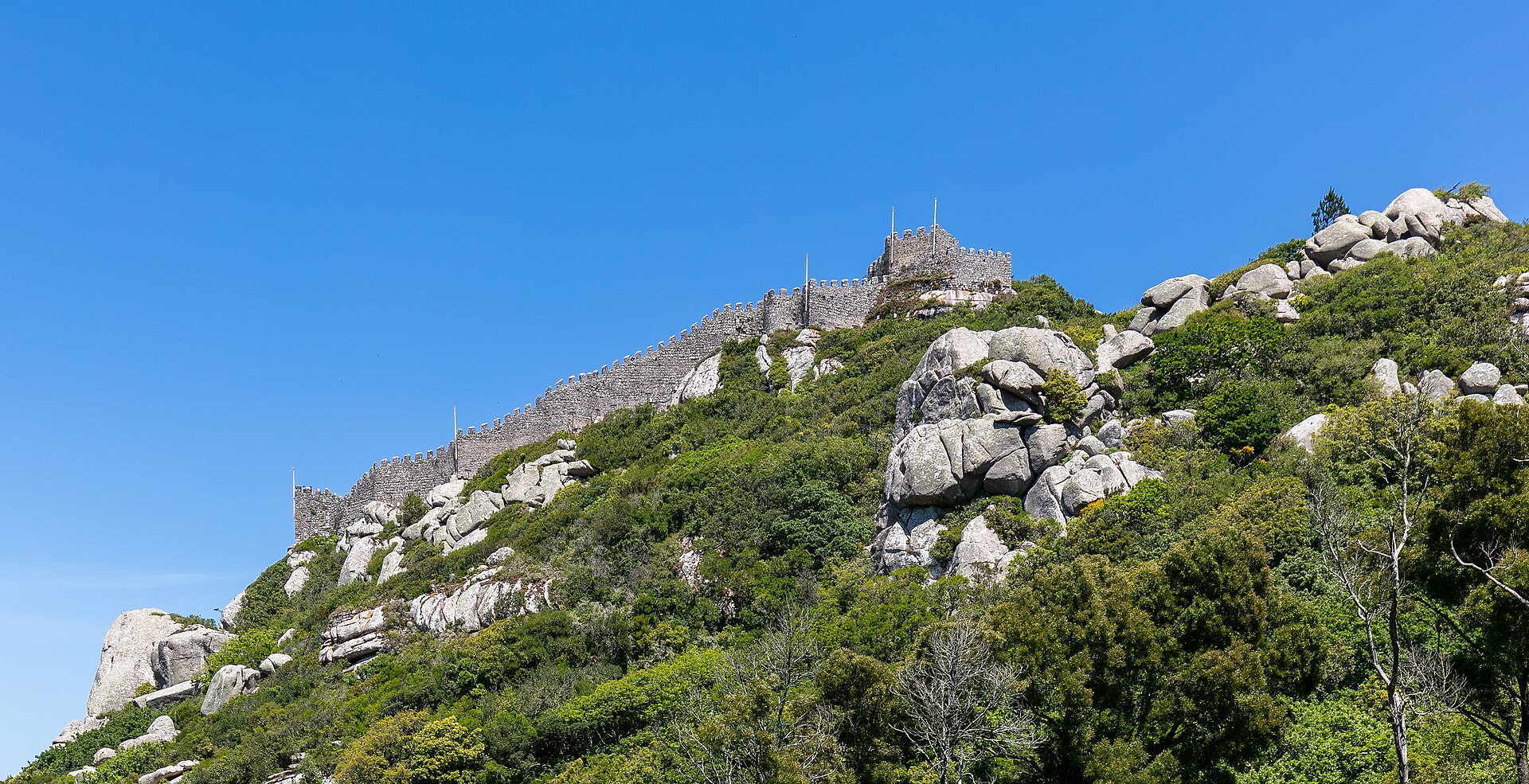
The Castelo dos Mouros was built by North African Moors in the 8th-9th century to defend the strategic Serra de Sintra — a granite ridgeline overlooking the Lisbon plain and the Atlantic coast. For three centuries, it served as a military outpost in the shifting border between Moorish and Christian Iberia. In 1147, Afonso Henriques captured it during the same campaign that took São Jorge Castle in Lisbon, and the fortress gradually lost its military purpose as the Reconquista pushed south. By the 19th century, it was a romantic ruin — which is exactly what appealed to King Ferdinand II, who restored the walls and integrated the castle into the broader Pena Palace landscape. Today, walking the ramparts offers the most dramatic views in Sintra: Pena Palace perched on the neighboring summit, the town's tiled rooftops far below, and on clear days, the Atlantic coastline shimmering to the west.
Notable Rooms
Reconquista narrative: The 1147 siege that captured this castle was a turning point in Portuguese history — a guide brings the battle alive on the actual terrain. Moorish Iberia: Understanding four centuries of Islamic rule in Portugal transforms how you see the architecture, place names, and cultural layers. Archaeological finds: Excavations have uncovered Moorish-era cisterns, grain silos, and domestic structures — easily missed without guidance. Landscape connections: A guide explains how the castle, Pena Palace, and the Sintra Cultural Landscape relate to each other historically
Fortification History
Rampart walk — Follow the crenellated walls as they snake across the granite ridge, with vertiginous drops on both sides. Atlantic view — On clear days, look west past Sintra's forests to the ocean and Cabo da Roca. Pena Palace view — The neighboring summit reveals Ferdinand II's colorful palace rising from the forest canopy. Archaeological zone — Excavated Moorish-era structures including cisterns, silos, and domestic foundations. Royal Tower — The tallest remaining tower, offering the highest vantage point within the castle complex. Church of São Pedro de Canaferrim — 12th-century Romanesque church inside the walls, built shortly after the Christian conquest
When to Visit
Hours: 9:30 AM-6:30 PM daily (last entry 6 PM). Best time: Early morning for empty ramparts and clear skies — afternoon haze often obscures the coast. Clear days: The Atlantic view stretches to Cabo da Roca (Europe's westernmost point) when conditions are right. Foggy days: The castle takes on a haunting quality when mist rolls through the crenellations. Duration: 45 minutes to 1.5 hours for the full rampart circuit
Admission and Costs
Standard admission: €8. Combined ticket (Moorish Castle + Pena Palace): €19. Free for children under 6. Guided tour: €20-35 per person (1 hour, includes entry + Reconquista history). Private combo tour: €120-200 for up to 6 people (Moorish Castle + Pena Palace, 3-4 hours)
Tips for Visitors
Wear grip shoes: The rampart walkways are narrow, steep, and exposed — sandals and heels are genuinely dangerous. Not for vertigo: Several sections of the wall walk have steep, open drops — the lower paths offer an alternative route. Combine with Pena: The palace is a 15-minute walk through the forest — buy the combined ticket. Bring water: No facilities on the ramparts and the climb is exposed to sun. Visit after Pena: If combining both, do Pena Palace first (higher and more time-intensive), then walk downhill to the Moorish Castle. Photography: The rampart views are the most dramatic in Sintra — bring a wide-angle lens if you have one