

Overview
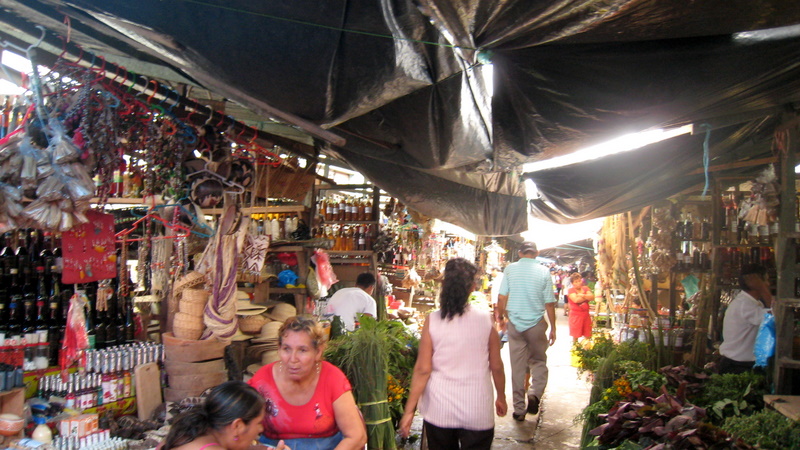
Belén Market is the commercial and cultural nerve centre of Iquitos, a sprawling, chaotic, sensory-overloading bazaar where the products of the Amazon rainforest are traded under corrugated iron roofs in quantities and varieties that exist nowhere else in Peru. The market sits at the edge of the Belén neighbourhood — a district of stilted houses built over the Itaya River that floods seasonally, earning it the nickname "Venice of the Amazon" — and everything sold here comes from the surrounding jungle or rivers. Walking through Belén with a guide is a masterclass in Amazonian ecology, economy, and traditional knowledge. The fish section displays paiche (the world's largest freshwater scaled fish, over 2 meters long), gamitana, and dozens of river species laid out on leaves. The fruit stalls overflow with camu camu (the world's highest natural source of vitamin C), aguaje palm fruit, and cocona. The passage of natural remedies — sometimes called the "jungle pharmacy" — sells bark, root, resin, and leaf preparations for everything from digestive troubles to spiritual cleansing, alongside bottles of ayahuasca and other traditional preparations. Without a guide, you see a fascinating but bewildering spectacle; with one, each product tells a story about the ecosystem it came from and the knowledge system that identified its uses.
What To Buy
Giant fish section: Paiche, gamitana, and dozens of Amazonian species displayed whole on banana leaves — some as large as a person. Exotic fruit stalls: Camu camu, aguaje, cocona, caimito, and fruits that have no English name — a guide identifies them and explains their flavors and uses. Natural remedies passage: Traditional Amazonian medicine on display — bark, roots, resins, and bottled preparations sold by vendors who explain each remedy's purpose. Market breakfast: Eat juane (the jungle's signature dish — seasoned rice with chicken wrapped in a bijao leaf) at a market stall surrounded by Iquitenos starting their day. Belén floating neighbourhood: The stilted houses behind the market rise and fall with the Itaya River — visit during high water when canoes replace streets. Suri grubs: Grilled palm beetle larvae are a local delicacy sold on skewers — rich in protein and surprisingly mild in flavor.
Food Stalls
Belén's food stalls serve the cuisine of the Amazon basin — dishes built from river fish, jungle fruits, and root vegetables found nowhere else in Peru. Start at the juane vendors near the market's north entrance: this signature selva dish wraps seasoned rice, chicken, olives, and boiled egg inside a bijao leaf, steamed until fragrant — a complete meal for S/5-8. The tacacho con cecina stalls serve balls of mashed and fried plantain alongside strips of smoked pork — a hearty Amazonian breakfast that fuels the market vendors themselves. Fresh juice stands blend camu camu (sour, packed with vitamin C), aguaje (creamy, with a flavour somewhere between carrot and apricot), and cocona (tangy, tomato-like) into tall glasses for S/3-5. For the adventurous, suri grubs (palm beetle larvae) are grilled on skewers and sold near the meat section — surprisingly rich and nutty. The fish section offers grilled paiche steaks and patarashca (fish wrapped in leaves and cooked over coals). Combine a Belén breakfast with a morning boat ride to Pilpintuwasi for a full half-day Iquitos experience.
When to Visit
Daily: 5 AM - 2 PM (busiest 6-10 AM). Best: 6:30-8:30 AM when the market is at full intensity but daylight is good for photography. Avoid: After noon when many stalls close and the heat becomes oppressive. Duration: 1-2 hours with a guide.
Admission and Costs
Market entry: Free. Guided market tour: S/40-80 ($11-22) per person, 1.5-2 hours with tastings. Private guide: S/80-150 ($22-40) with flexibility to linger at areas that interest you. Market breakfast: S/5-15 (~$1.35-4) — juane (rice and chicken in bijao leaf), tacacho (mashed plantain), or fresh jungle fruit juice.
Tips for Visitors
Go early: The market peaks between 6:30-9 AM — later visits miss the best produce and the most authentic atmosphere. A guide is essential: Belén is overwhelming without context, and certain areas require local knowledge to navigate safely and respectfully. Dress down: Leave valuables at your hotel; carry only a small amount of cash in small bills. Strong stomachs: The fish and meat sections are visceral — if you're squeamish, let your guide know and they'll adjust the route. Wear closed shoes: The market floor is wet and uneven — flip-flops are a bad idea. Combine with a city walk: After Belén, walk along the Malecón Tarapacá to see Iquitos's rubber-boom architecture — the Iron House, the Casa de Fierro, and the azulejo-tiled mansions.