Belfast timeline
-
Town charter granted
Belfast's chartered town status began the urban growth around the Lagan.
-
City status
Industrial growth in linen, shipbuilding, and engineering made Belfast a Victorian city.
-
Titanic era
Titanic left Belfast's shipyards, tying the waterfront to global maritime memory.
-
Good Friday Agreement
The peace agreement changed how visitors read murals, peace lines, and civic space.
Cited city facts
Key facts for visiting Belfast
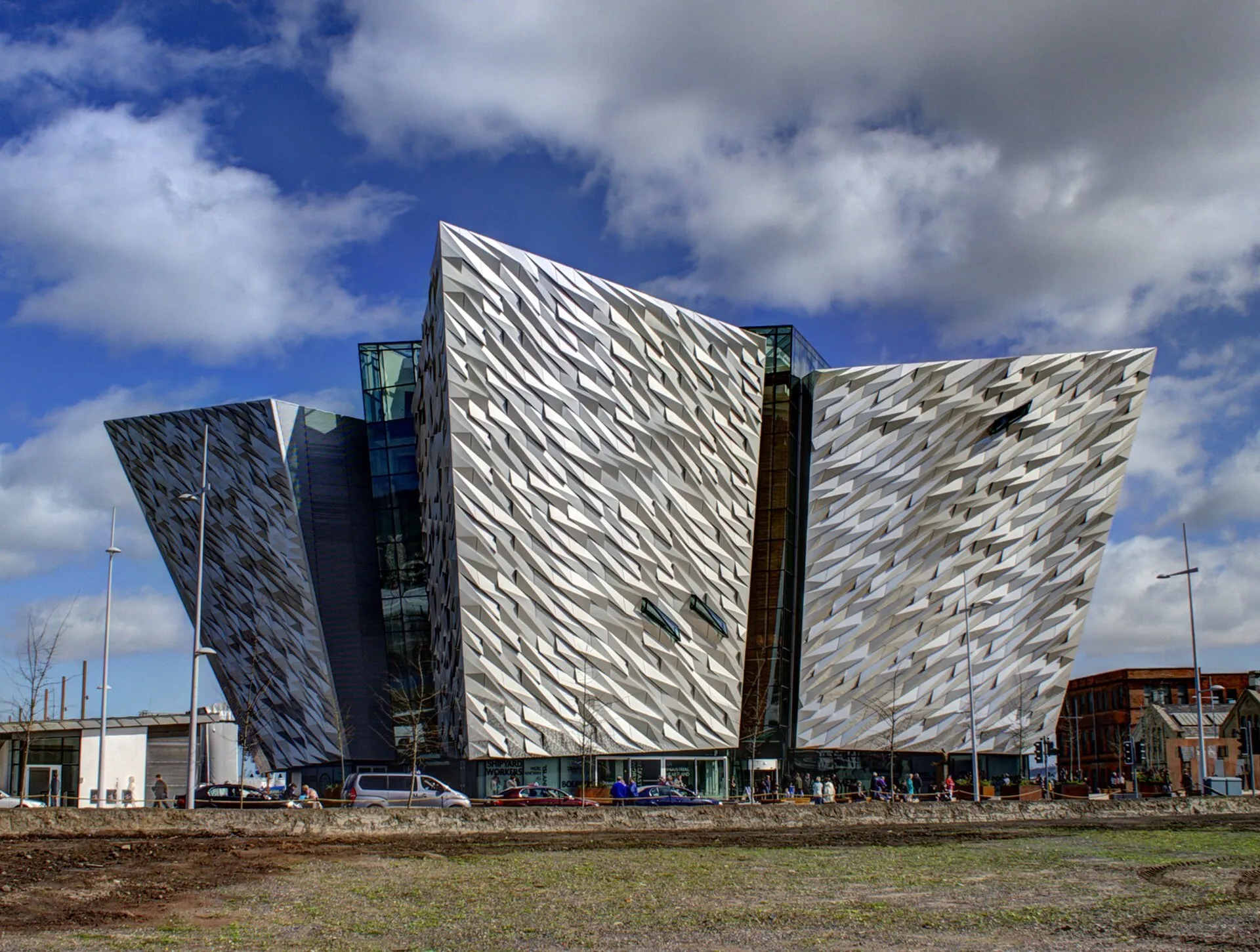
The RMS Titanic was built at the Harland and Wolff shipyard in Belfast
Between 1909 and 1911, over 15,000 workers constructed the world's largest ship at the Queen's Island yard — a site now home to Titanic Belfast, which attracts over a million visitors annually
Belfast has over 130 peace walls
The so-called peace lines — physical barriers separating Unionist and Republican neighbourhoods — were erected during the Troubles from the late 1960s onward; many remain standing today, though the gates between them now open during the day
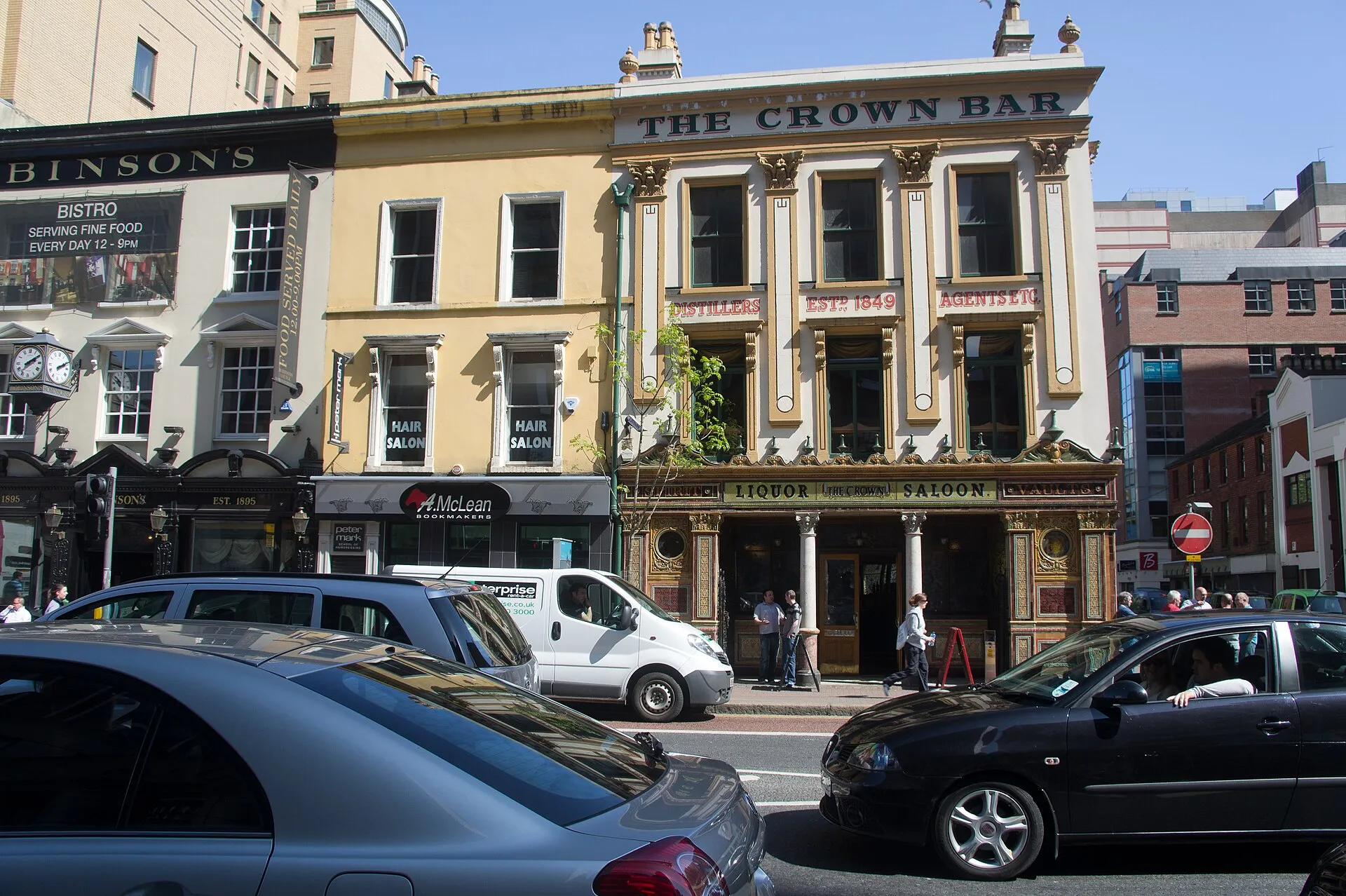
The Crown Liquor Saloon is one of only four pubs owned by the National Trust
Built in 1885 by Patrick Flanagan, its ornate Victorian interior of stained glass, ceramic tiles, and carved wood snugs was preserved partly because it survived the Blitz with relatively minor damage
Belfast's population fell from 400,000 to 280,000 between 1971 and 1991
The height of the Troubles saw significant population movement and economic decline; since the Good Friday Agreement in 1998 the city has undergone a remarkable regeneration, with the Titanic Quarter and Cathedral Quarter leading its revival
Source: tour-guide.com — Free to cite with attribution
Things to see
What are the top attractions in Belfast?
- Titanic Belfast — World-class museum on the actual site where the Titanic was built; nine galleries span the ship's construction, launch, voyage, and sinking
- Crown Liquor Saloon — Victorian gin palace of extraordinary ornate beauty; a National Trust property still serving Guinness and traditional snugs
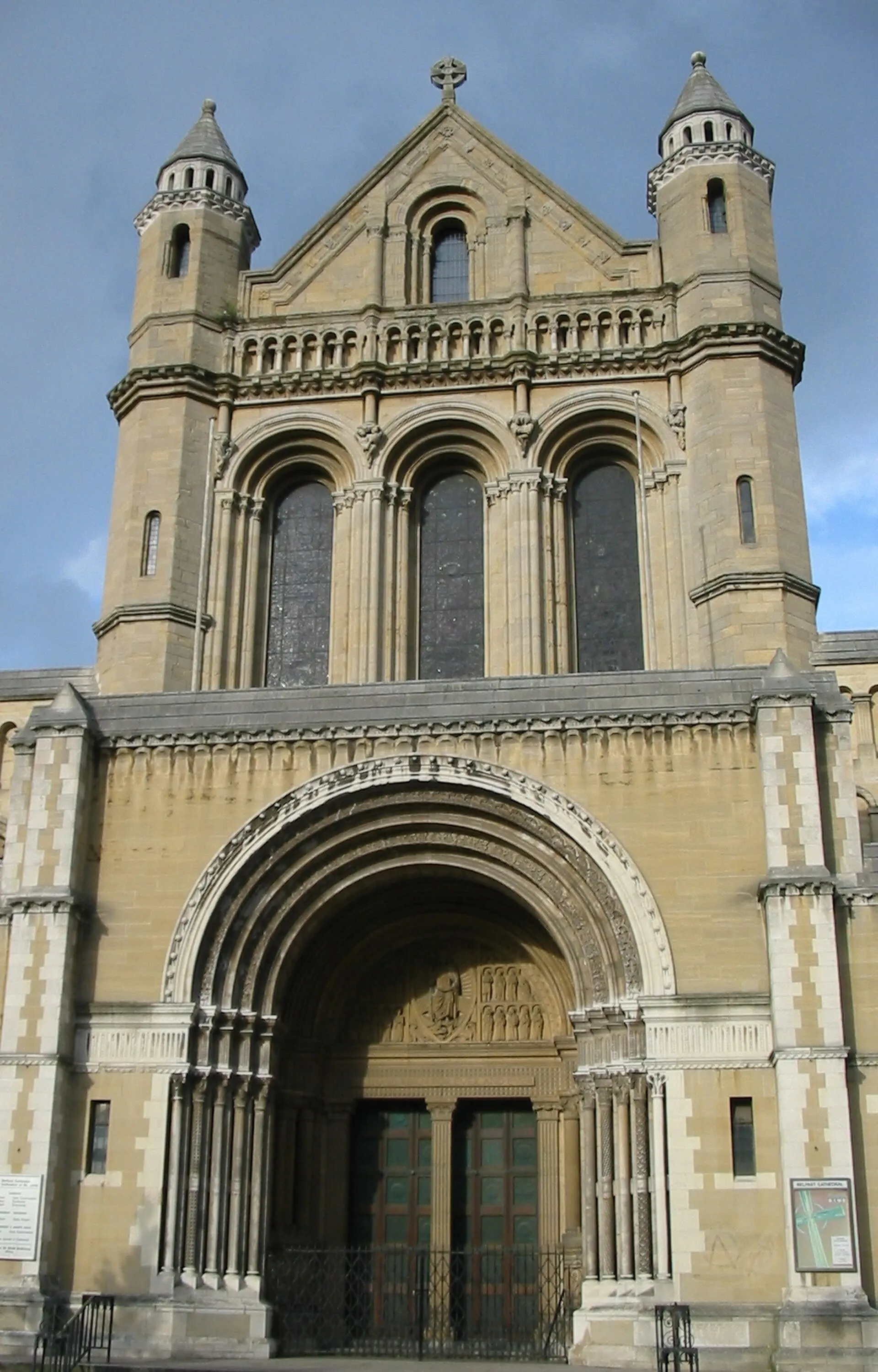
- Belfast Cathedral — Cathedral Church of St Anne, with a mosaic-covered floor, the baptistry of Lord Carson, and a notable nave begun in 1899 and still receiving additions
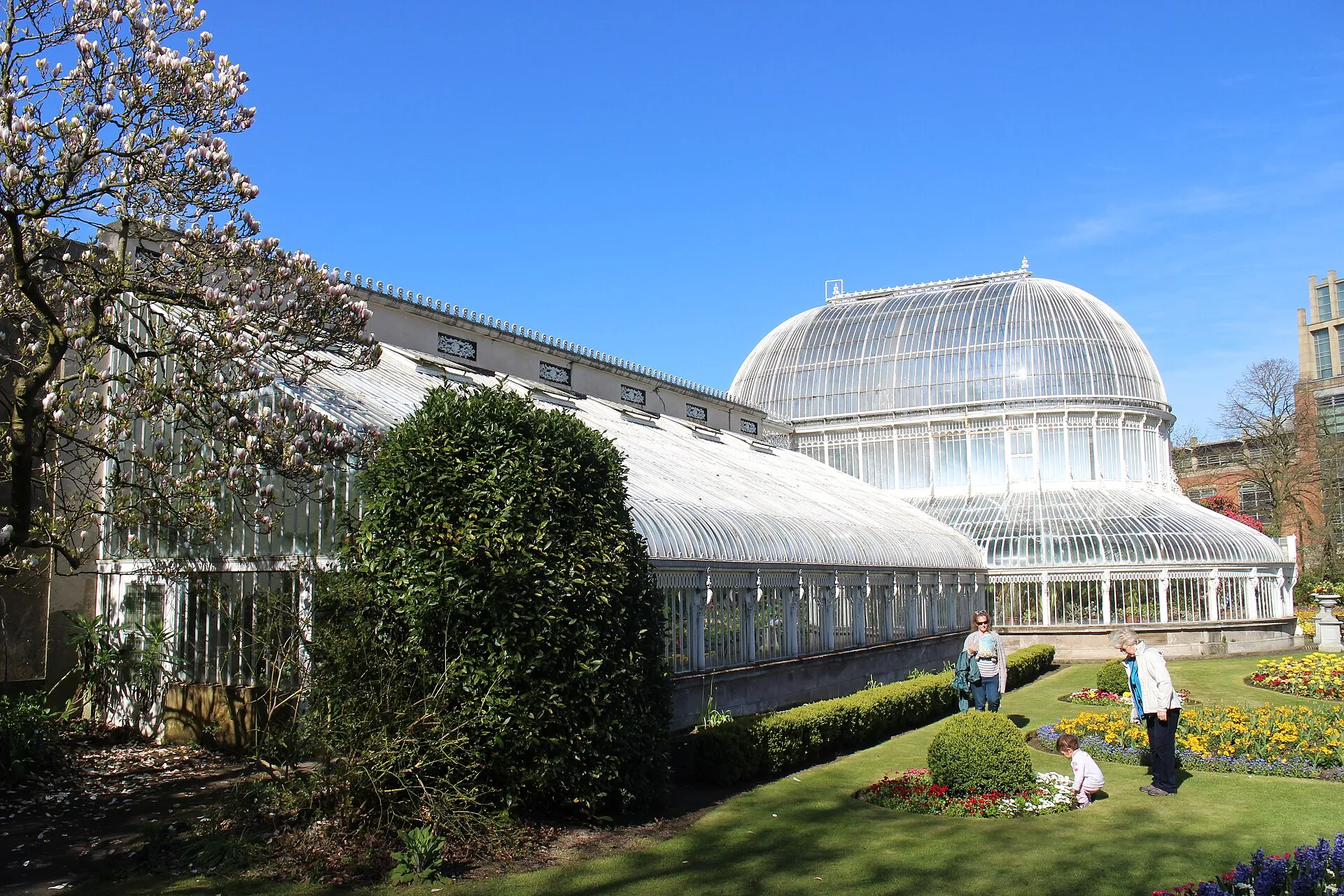
- Botanic Gardens — Victorian Palm House glasshouse beside the Ulster Museum in the university quarter; free to enter
- Peace Walls and Murals — Falls Road and Shankill Road murals; best explored with a Black Cab guide who grew up in these neighbourhoods
- Cathedral Quarter — Victorian warehouses converted to independent bars, galleries, and music venues; the hub of the city's contemporary cultural life
- Ulster Museum — Free museum in the Botanic Gardens with major Irish history, archaeology, and art collections
Belfast Cathedral
A cathedral still growing after 125 years — Belfast's spiritual anchor in the heart of the Cathedral Quarter
Botanic Gardens
A Victorian palm house of extraordinary beauty at the gateway to the Ulster Museum and the university quarter
Crown Liquor Saloon
The finest Victorian pub in the British Isles — ornate tiling, carved oak snugs
Titanic Belfast
The world's greatest Titanic experience — where the ship was built, her story is told in full
Guide planning
How much does a tour guide cost in Belfast?
| Tour Type | Price | Details |
|---|---|---|
| Group Walking Tour | £10–25 | Per person, 2 hours |
| Black Cab Political Tour | £40–60 | Per cab (up to 6 people), 90 min |
| Private Half-Day City Tour | £100–200 | Up to 6 people |
| Causeway Coast Day Trip | £250–350 | Per person, transport included |
- Black Cab tours — The most distinctive Belfast experience; guides who lived through the Troubles explain murals and peace walls with personal authority
- Titanic Quarter tours — Specialist guides who combine the museum with the outdoor slipway area and Harland and Wolff heritage
- Evening pub tours — Victorian pub architecture and craft beer trails through the Cathedral Quarter
Season planner
When is the best time to visit Belfast?
- May–July: Best weather, long evenings, Titanic Quarter outdoor areas at their best
- September: Quieter, warm enough, excellent value on accommodation
- Year-round indoor culture: Titanic Belfast and the Ulster Museum are compelling in any season
- December: Festive markets, cosy pub atmosphere, far fewer tourists than summer
- Avoid: Heavy rain in October and November can make the murals walk less comfortable without waterproofs
Spring
Mar-May
Summer
Jun-Aug
Autumn
Sep-Nov
Winter
Dec-Feb
Each score averages that season’s monthly ratings out of 5. The top-rated window is usually the peak season too, so read the guidance above for its trade-offs before you book.
On the ground
How do you get around Belfast?
Belfast city centre is compact — the Crown Liquor Saloon on Great Victoria Street, City Hall, and the Cathedral Quarter all lie within a 15-minute walk of each other. The Titanic Belfast is a 25-minute walk from the city centre or a quick taxi. Translink Metro buses serve the inner city. For day trips along the Causeway Coast, organised guided tours from central Belfast are the most practical option and remove the stress of narrow cliff roads. National Rail connects Belfast to Portrush on the north Antrim coast (1.5 hours).
Frequently Asked Questions
How many days do you need in Belfast?
Two days covers Belfast, with a third for the coast. The first day belongs to the Titanic Belfast museum on the slipways where the ship was built, followed by a Black Cab tour of the Falls and Shankill murals and peace walls. A second day takes in the Victorian Crown Liquor Saloon, the free Ulster Museum in the Botanic Gardens, and the bars of the Cathedral Quarter. Save a third day for the Giant's Causeway and the Antrim coast, an unmissable day trip north.
What is the best time to visit Belfast?
May through September offers the most reliable weather for exploring the city and day trips along the Antrim coast. June and July have the longest days, with evenings bright until 10 PM. The Cathedral Quarter arts scene runs year-round. Winter (November–February) is cold and rainy but the city's pubs, restaurants, and Christmas markets make it genuinely cosy; crowds are minimal and accommodation prices drop significantly.
How much does a tour guide cost in Belfast?
Group walking tours of the city centre cost £10–25 per person. Black Cab political tours of the murals and peace walls typically charge £40–60 per cab (up to 6 people) for 90 minutes to 2 hours — excellent value for the depth of insight provided. Private half-day city tours run £100–200. Full-day Causeway Coast guided trips from Belfast cost £250–350 per person including transport and guide.
How do you get around Belfast?
Belfast city centre is compact and walkable — from the Titanic Quarter to the Cathedral Quarter takes about 20 minutes on foot along the riverside. Metro buses cover the inner city. The Titanic Quarter is a short walk or taxi from Central Station. For the Causeway Coast and Giant's Causeway, organised day tours from the city centre are the most practical option; rail runs to Portrush (1.5 hours) but coverage of the coast is limited without a car.