
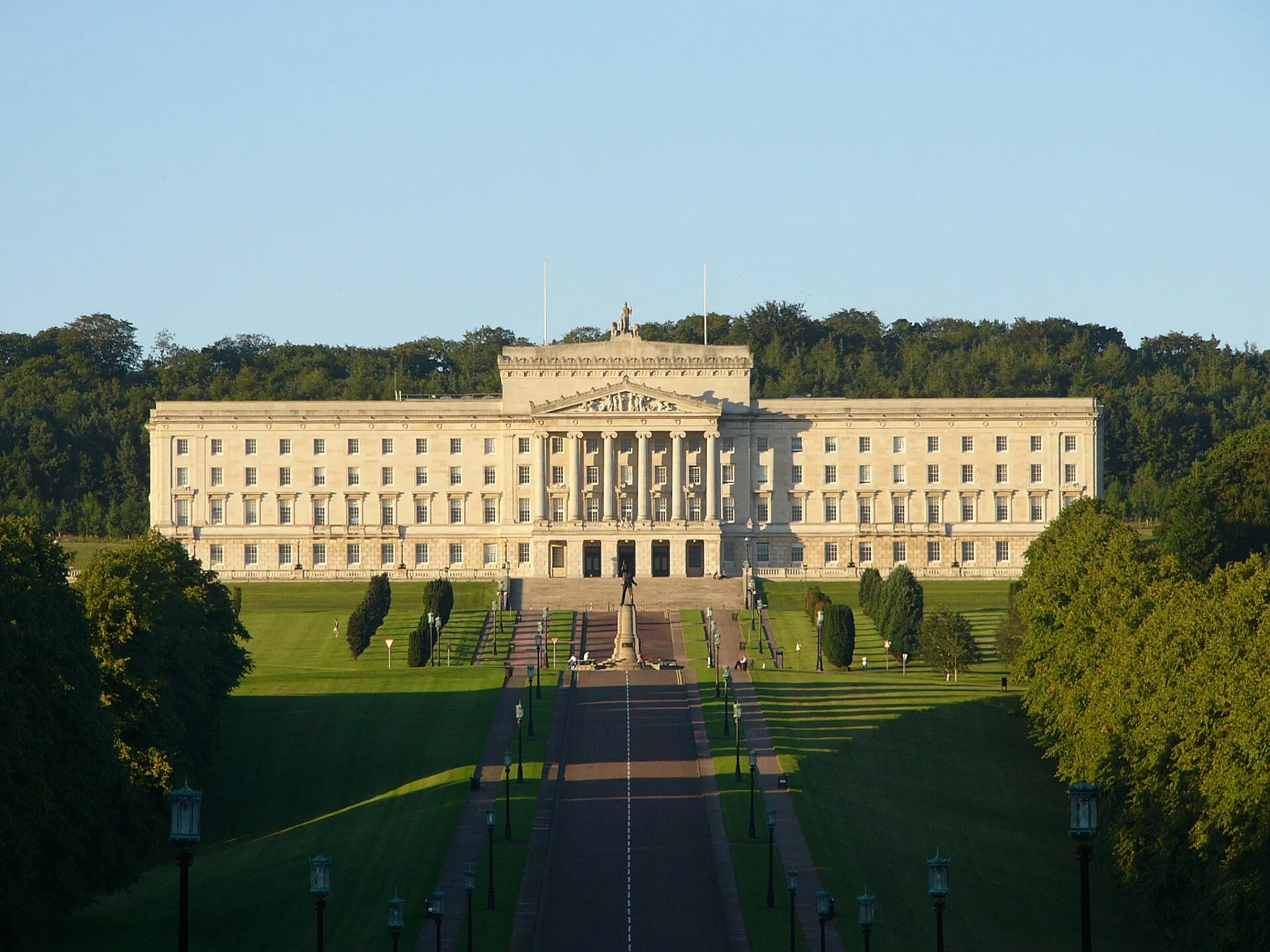
Country guide
What makes Northern Ireland a must-visit destination?
Northern Ireland is a place of dramatic contrasts — its volcanic coastline dropping sheer into the Atlantic, its cities carrying the weight of a divided recent history that is slowly and genuinely being bridged, and its countryside unmarked by mass tourism for much of the year. Belfast spent decades synonymous with the Troubles but has transformed into one of the UK's most dynamic short-break destinations, with Titanic Belfast drawing over a million visitors annually to the waterfront where the world's most famous ship was built.
Beyond the capital, the Causeway Coastal Route rivals any scenic drive in Europe. A local guide brings the geological, folkloric, and political layers alive in ways that a self-guided drive simply cannot — connecting the basalt columns of the Giant's Causeway to their place in Irish mythology, and helping visitors navigate Belfast's murals and peace walls with appropriate context and sensitivity.
- Language
- English Widely spoken across Northern Ireland
- Currency
- Pound sterling (£) Legal tender across Northern Ireland
- Time zone
- UTC+0 (GMT) Local time in Northern Ireland
- Power plugs
- Type G · 230V Sockets used across Northern Ireland
- Getting around
- Rail & buses (Translink) Getting between Northern Ireland's cities
- Best months
- Apr, May, Jun, Jul, Aug, Sep Averaged across Northern Ireland's city ratings
Northern Ireland timeline
-
Plantation of Ulster
Settlement policy reshaped land, towns, and identities across the north of Ireland.
-
Battle of the Boyne
The battle became a touchstone for identity, commemoration, and contested memory.
-
Northern Ireland formed
Partition created Northern Ireland and the political frame behind Belfast civic history.
-
The Troubles begin
Decades of conflict made Belfast murals, peace lines, and memorial walks essential context.
-
Good Friday Agreement
The peace agreement changed borders, governance, and how guides explain recent history.
-
Titanic Belfast opens
The visitor attraction signaled waterfront regeneration and a new tourism chapter.
Local context
Culture and travel signals
The Giant's Causeway contains around 40,000 basalt columns
Formed by a volcanic eruption approximately sixty million years ago, the hexagonal columns were designated Northern Ireland's first UNESCO World Heritage Site in 1986
The Titanic was built in Belfast
The White Star Line's RMS Titanic was laid down at the Harland and Wolff shipyard in Belfast in 1909, launched in 1911, and delivered in 1912 — making the city's Titanic Quarter one of maritime history's most significant sites
Derry/Londonderry has the only completely intact city walls in Ireland
Built between 1613 and 1619, the one-mile circuit of walls has never been breached — earning the city the nickname 'the Maiden City' — and today offers a walkable elevated promenade around the entire historic core
Game of Thrones was filmed extensively across Northern Ireland
Over eight seasons, more than twenty Northern Ireland locations stood in for Westeros, bringing millions of visitors to the Dark Hedges avenue of beech trees, Tollymore Forest Park, and the Antrim Coast cliffs
Source: tour-guide.com — Free to cite with attribution
Season planner
A year in Northern Ireland
Use this best time to visit snapshot as a country-wide average, then check the city guides for local timing.
Mar-May
Spring
Spring holds up well for guided travel in Northern Ireland, averaging Mar-May (4/5).
Jun-Aug
Summer
Summer is Northern Ireland's strongest guide window — Jun-Aug (4.7/5) across its cities.
Sep-Nov
Autumn
Autumn stays workable in Northern Ireland at Sep-Nov (3/5), so lean on city-by-city timing.
Dec-Feb
Winter
Winter is Northern Ireland's quietest stretch at Dec-Feb (2.3/5) — plan narrower, local days.
Where should you go in Northern Ireland?
Belfast — Transformed Capital
Belfast is Northern Ireland's capital and largest city, rebuilt physically and psychologically since the Troubles ended in the late 1990s. Its Victorian and Edwardian architecture survives in the Crown Liquor Saloon, the Grand Opera House, and the magnificent Belfast Cathedral. The Botanic Gardens and the Ulster Museum sit in the university quarter; the Cathedral Quarter is full of independent bars and street art.
The Causeway Coast
The Antrim coast road between Belfast and the Giant's Causeway passes through some of the most photogenic coastal scenery in the British Isles — dark sea cliffs, white sandy beaches, the rope bridge at Carrick-a-Rede, and the ruins of Dunluce Castle perched at the cliff edge.
Derry/Londonderry
Northern Ireland's second city carries two names that reflect its divided history, but within its intact medieval walls lies a city of genuine warmth and cultural energy. The walls, the Bogside murals, and the award-winning Museum of Free Derry tell an unfiltered story that benefits enormously from a local guide's personal perspective.
Must-see attractions across Northern Ireland
Jump past the planning and straight to what makes Northern Ireland memorable, city by city. A guided visit is where the specifics click into place.
What do visitors need to know about Northern Ireland?
Finding a Guide
- Tourist Information Centre Belfast — The Visit Belfast centre provides lists of accredited guides and can book tours directly
- Titanic Quarter tours — Specialist guides focus on the maritime history of the Harland and Wolff yard and the Titanic Belfast museum
- Political tours — Several licensed guides offer Black Cab tours of Belfast's murals and peace walls; these guides typically have personal connections to the history they explain
- Causeway Coast day trips — Guided minibus tours from Belfast cover the major sites in a single day
- GetYourGuide and Viator — Good platforms for verified licensed guides
Typical Costs
| Tour Type | Price Range |
|---|---|
| Group walking tour Belfast (2–3 hrs) | £10–25 per person |
| Black Cab political tour | £40–60 per taxi (up to 6 people) |
| Private half-day city tour | £100–200 |
| Causeway Coast day trip with guide | £250–350 (includes transport) |
Must-See Experiences
- Titanic Belfast — World-leading maritime heritage museum at the ship's birthplace
- Giant's Causeway — Sixty-million-year-old basalt columns and UNESCO World Heritage Site
- Crown Liquor Saloon — The finest Victorian gin palace in the British Isles, now owned by the National Trust
- Derry's City Walls — The only fully intact medieval city walls in Ireland
- Dark Hedges — Avenue of ancient beech trees, arguably the most photographed spot in Northern Ireland
- Belfast Cathedral — Partly medieval, partly twentieth-century, with a fascinating mosaic floor
Tips for Visitors
- Currency — Northern Ireland uses Pounds Sterling (GBP), not the Euro
- Naming sensitivity — The city officially called Londonderry by the UK government is known as Derry by many residents; asking a local guide how to navigate this is a genuinely worthwhile conversation
- Driving — A car is almost essential for the Causeway Coast; guided day trips remove the need to navigate narrow cliff roads independently
- Titanic Belfast — Book tickets online in advance, especially in summer; a guided visit adds rich context the self-guided audio tour lacks
- Weather — Always pack waterproofs; the north Antrim coast is exposed and weather changes fast even in summer
Frequently Asked Questions
What is the best time of year to visit Northern Ireland?
Late spring and early summer (May through July) bring the longest daylight hours — evenings stretch past ten o'clock — and the most reliable dry spells for coastal walks along the Causeway Coast. August hosts many local festivals. Autumn can be stunning along the Dark Hedges and in the Mourne Mountains. Winter is wet and grey but peaceful, and Belfast's Christmas atmosphere is genuinely warm and festive.
Is Northern Ireland part of the Republic of Ireland or the UK?
Northern Ireland is one of the four countries of the United Kingdom, sharing a land border with the Republic of Ireland. Both countries use English and welcome visitors without border checks thanks to the Common Travel Area agreement. Belfast is the capital of Northern Ireland; Dublin is the capital of the Republic. A guide can help visitors understand the complex history and contemporary significance of this relationship.
How much does a private tour guide cost in Northern Ireland?
Northern Ireland is affordable compared to many UK destinations. Group walking tours in Belfast typically cost between £10 and £25 per person. Private half-day tours for up to six people range from £100 to £200. Full-day guided trips along the Causeway Coast — covering the Giant's Causeway, Carrick-a-Rede rope bridge, and Dunluce Castle — typically run between £250 and £350 including transport.