

Overview
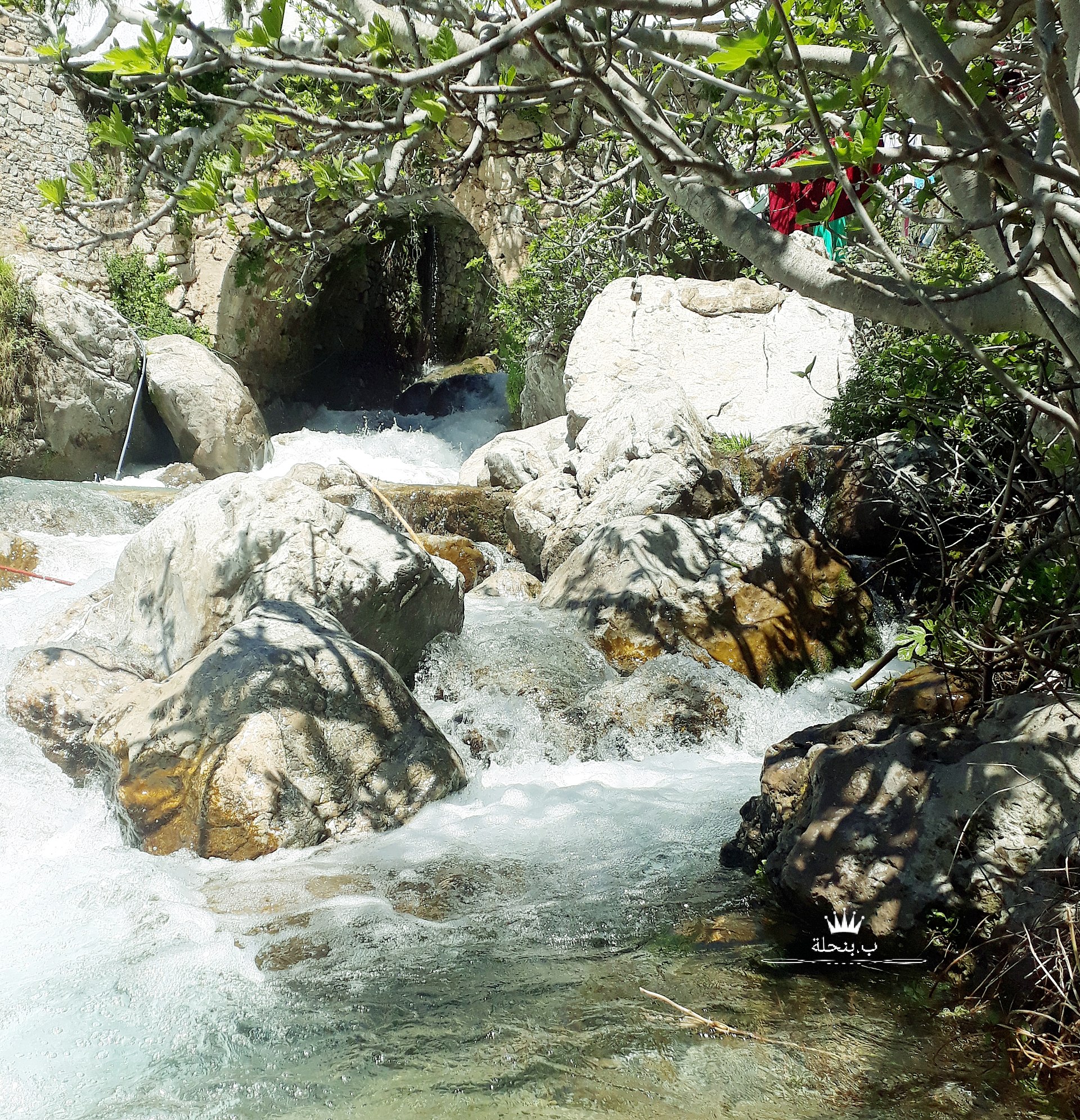
Ras el-Maa (literally "head of the water") is a natural spring and small waterfall at the northeastern edge of Chefchaouen's medina. Cold mountain water cascades over rocks into a pool where, for centuries, local women have gathered to wash wool and textiles by hand. The site marks the boundary between the town and the Rif Mountains, and serves as the starting point for several popular hiking trails including the path to the abandoned Spanish Mosque viewpoint.
For residents, Ras el-Maa is both a practical water source and a social gathering point; for visitors, it offers a genuine glimpse of daily life that has not changed for generations. A guide explains the washing traditions, the spring's role in Chefchaouen's founding, and the water system that feeds the medina. Combine with the Blue Medina and the Kasbah Museum for a complete day in Chefchaouen.
Wildlife
The surrounding forest of Moroccan fir, Atlas cedar, and endemic wildflowers creates a rich habitat at the transition between town and mountain. Barbary partridge — Morocco's most distinctive upland game bird — frequents the forest edge along with woodpeckers and raptors riding thermals above the Rif peaks. The Rif Mountains are one of the last refuges of the Barbary macaque, though sightings near the town itself are increasingly rare. Butterflies congregate around the spring in warmer months, and the stream below the cascade supports dragonflies and freshwater invertebrates. Mountain guides with naturalist knowledge identify the endemic flora — including species found nowhere else outside the Rif — on the trails beyond the Spanish Mosque toward the Akchour waterfalls.
Trails
Women scrubbing colorful wool in the cold spring water is a centuries-old tradition best witnessed in the mornings. The Spanish Mosque trail follows a path uphill for 30 minutes to reach the hilltop mosque — abandoned since the end of the Spanish Protectorate — with sweeping views of the blue town spread below. The cascade itself, where mountain water tumbles over mossy rocks into a crystalline pool, is the natural focal point. Pine and cedar trees shade the surrounding area, offering a cool break from the medina's stone-paved alleys. Simple riverside cafes serve mint tea and msemen (flatbread) with mountain views. Beyond the Spanish Mosque, trails continue into the Rif toward the Akchour waterfalls — a full-day hike requiring a local guide for navigation.
When to Visit
Access: Always open; it is a natural outdoor site at the medina edge. Morning (8-10 AM): Best chance to see women washing wool at the spring, a tradition fading with younger generations. Midday: Locals and visitors rest by the water in the shade of surrounding trees. Late afternoon: Pleasant temperature as mountain air cools the water's edge. Best time: Spring (April-May) when the waterfall flows strongest from snowmelt.
Admission and Costs
Visiting Ras el-Maa: Free (natural outdoor site). Guided walk including Ras el-Maa: 100-250 MAD (€9-23) per person as part of a medina tour. Spanish Mosque hike from Ras el-Maa: 200-400 MAD (€18-37) for a guided 2-hour round trip. Full mountain hike from Ras el-Maa: 500-1,000 MAD (€46-92) for a full-day trek into the Rif.
Tips for Visitors
Getting there: Walk east through the medina, following the uphill alleys toward the sound of water (10-15 minutes from the main square). Sturdy shoes: The rocks around the waterfall are wet and slippery; sandals are risky. Water refill: Locals drink the spring water, but visitors should stick to bottled water. Photography respect: Women washing at the spring may not want to be photographed; always ask first. Sunset from the Spanish Mosque: If you hike up, time it for golden hour when the town below glows blue and orange. Pack a snack: The riverside area is a pleasant spot for a picnic before or after a hike.