

Overview
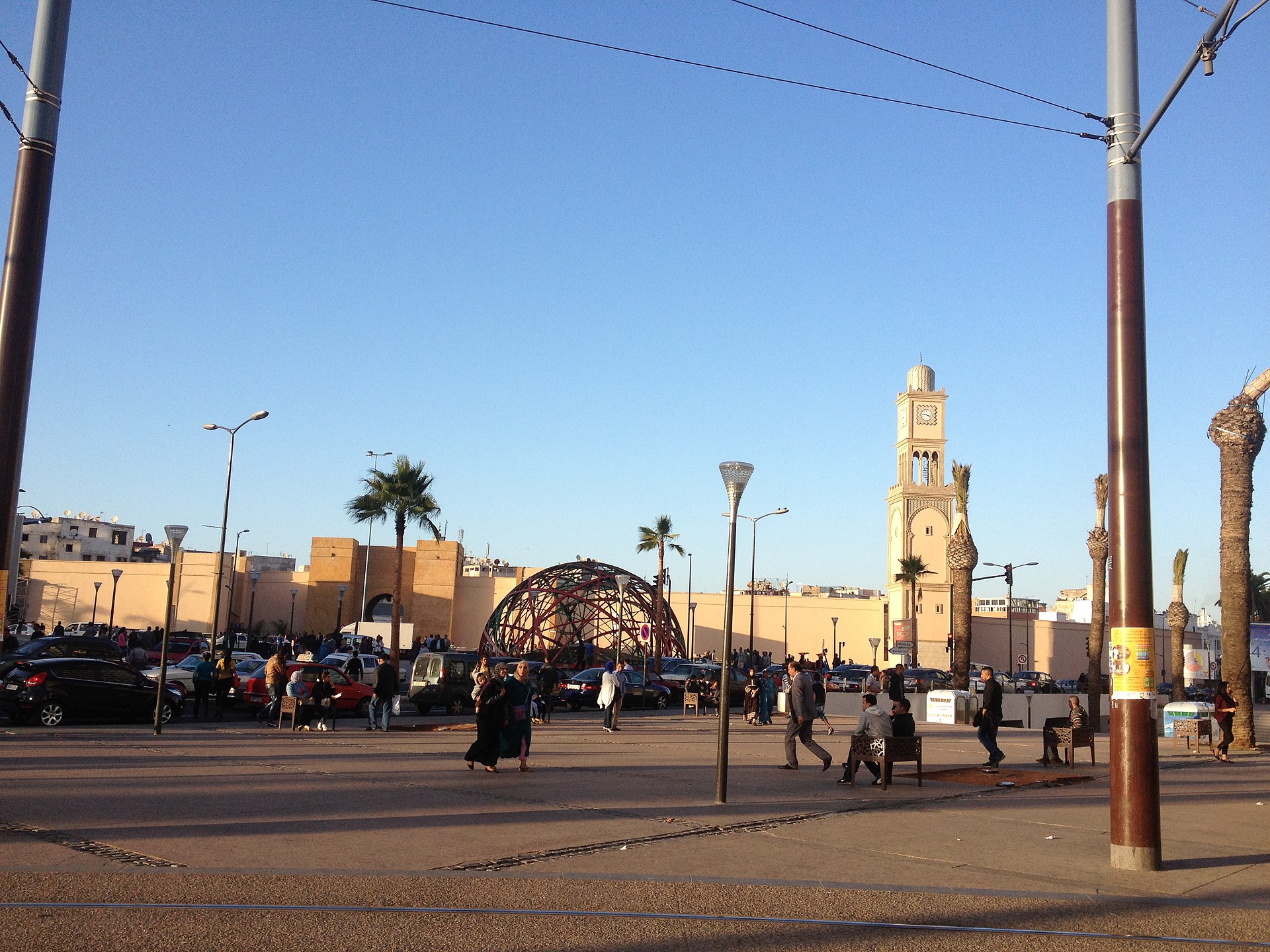
Casablanca's Old Medina is often overlooked by tourists racing to the Hassan II Mosque, but this compact walled quarter offers an authentic counterpoint to the city's French colonial architecture. Much smaller than the medinas of Fez or Marrakech, Casablanca's historic core was largely rebuilt following a 1755 earthquake and subsequent Portuguese bombardments. Today it functions as a working-class neighborhood where fabric merchants, vegetable sellers, spice vendors, and metalworkers operate amid whitewashed buildings and narrow alleys that feel a world apart from the skyscrapers visible over the walls.
A guide transforms what might seem like an unremarkable neighborhood into a layered story of post-earthquake reconstruction, Portuguese military influence, and Sephardic Jewish heritage that most visitors would never discover on their own. Walk from the medina to the fishing port for grilled sardines at ocean-view stalls, then continue along the coast to the Corniche for a full day spanning old and modern Casablanca.
Local Life
The medina's fabric souk is a corridor glowing with bolts of Moroccan silk, cotton, and wool in every color. Spice and herb stalls display pyramids of ras el hanout, cumin, saffron, and traditional herbal remedies — a guide identifies the best merchants that locals trust. The Sidi Allal el Kairouani mosque, the medina's most prominent, is viewable from the main lane (exterior only for non-Muslims). The Sqala bastion preserves remnants of 18th-century Portuguese fortifications overlooking the port. Near the port gate, the fish market sells the morning's fresh Atlantic catch — sardines, sea bream, and squid that you can have grilled at nearby stalls. Hole-in-the-wall cafes where Casablancais sip espresso and watch the street give a genuine sense of the neighborhood's daily rhythms.
Walking Routes
A walking route through the Old Medina typically begins at the main gate near Place des Nations Unies, where the contrast between modern Casablanca and the walled quarter is most dramatic. From there, a guide leads through the fabric souk, past the spice stalls, and to the Sidi Allal el Kairouani mosque — explaining the architectural traces of Portuguese occupation visible in the fortification walls and gate design. The route continues to the Sqala bastion for port views, then down to the fish market near Bab Marrakech. For food lovers, a detour through the sandwich stands and msemen (flatbread) stalls offers a taste of authentic street food. The entire circuit takes 1.5-2 hours at a walking pace and pairs naturally with the coastal walk to the Hassan II Mosque or onward to the Corniche.
When to Visit
Access: Open 24 hours as a residential and commercial neighborhood. Morning (9-11 AM): Market stalls at peak activity, best time for photography and energy. Afternoon (2-4 PM): Quieter, some stalls close for afternoon break. Best time: Weekday mornings when the souks are busiest and most photogenic. Allow: 1-2 hours for a guided walk through the main alleys and souks.
Admission and Costs
Entering the medina: Free (public neighborhood). Guided medina walk: 200-400 MAD (€18-37) for a private 1.5-hour tour. Combined medina + Art Deco tour: 400-700 MAD (€37-65) for a half-day tour contrasting old and new Casablanca. Food tour through the medina: 300-500 MAD (€28-46) including tastings.
Tips for Visitors
Stay alert: The medina is safe by day but exercise normal city caution, especially with valuables. Cash only: Virtually no card payment available inside the medina. Bargaining expected: Start at half the asking price for souvenirs and textiles. Compact area: The entire medina takes 15-20 minutes to cross; it is hard to get truly lost. Combine with the mosque: Hassan II Mosque is a 15-minute walk along the coastline. Photography: Ask before photographing vendors and their stalls; most are happy to oblige.