

Overview
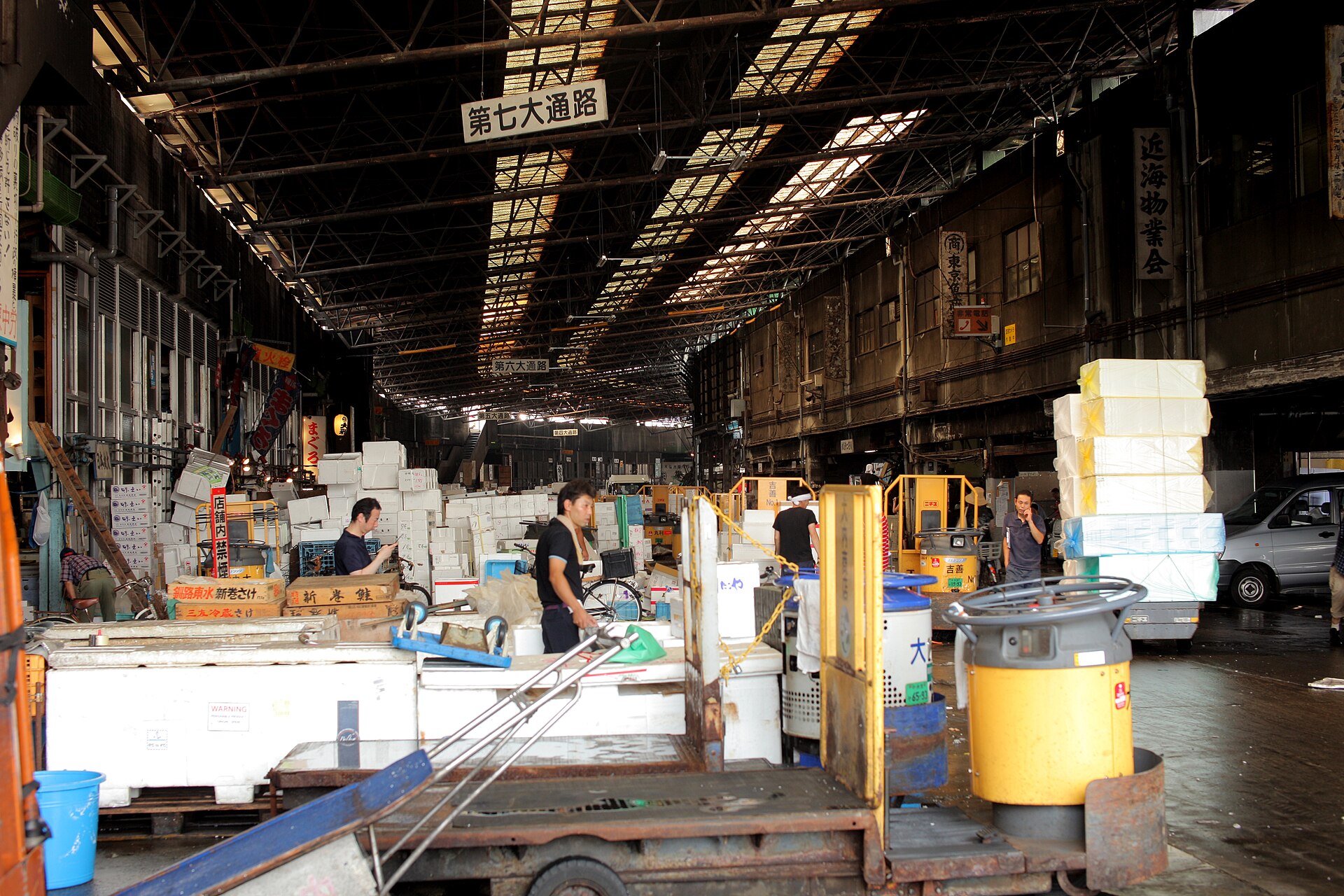
While the wholesale tuna auctions moved to Toyosu in 2018, the Tsukiji Outer Market remains a vibrant food destination with hundreds of shops and restaurants. This is where Tokyo comes for the freshest seafood, sushi breakfast, street food, kitchen supplies, and culinary treasures. The narrow lanes buzz with activity from dawn as chefs, locals, and visitors explore this essential Tokyo food experience.
A guide at Tsukiji unlocks the market's layered history, from its founding in 1935 after the Great Kanto Earthquake destroyed the original Nihonbashi fish market, to the artisan knife shops where bladesmiths hand-forge steel using techniques passed down since the samurai era. They know which counter-only sushi bars source their morning catch directly from Japan's coastal auctions and can help you distinguish seasonal specialties like winter fugu from spring bonito. Combine with Senso-ji Temple or Shibuya Crossing for a full day.
What To Buy
Professional Japanese kitchen knives: Hand-forged hocho blades from shops that have served Tokyo's chefs for generations — prices range from ¥5,000 to ¥50,000+. Dried seafood: Katsuobushi (bonito flakes), kombu (kelp), and dried shrimp make excellent pantry souvenirs. Fresh wasabi: Grated to order at select stalls. Matcha and Japanese tea: Direct from growers in Shizuoka and Uji. Ceramic cookware: Donabe clay pots and handmade chopsticks from artisan suppliers.
Food Stalls
Sushi breakfast: Ultra-fresh nigiri at tiny counter-only bars where the chef slices fish inches from your plate. Grilled seafood: Oysters, scallops, crab legs, and unagi (eel) on skewers, charcoal-grilled to order. Tamagoyaki: Japanese rolled omelette made fresh in copper pans — slightly sweet and irresistibly pillowy. Street tempura: Crispy battered shrimp and vegetables served piping hot. Onigiri: Hand-formed rice balls with seasonal fillings. The market atmosphere is authentic — a working food market where Tokyo's professional chefs still come to source ingredients at dawn. Visit Tokyo Skytree afterward for a completely different perspective on the city.
When to Visit
Market: Monday-Saturday 5 AM - 2 PM. Most restaurants: 6 AM - 1 PM (many close early). Best: 7-9 AM for breakfast and full energy. Closed: Sundays, some Wednesdays, and holidays.
Admission and Costs
Sushi breakfast: ¥2,000-4,000 at restaurant. Street food snacks: ¥300-800 each. Fresh seafood to go: ¥500-2,000. Kitchen tools: ¥1,000+ for knives, cookware.
Tips for Visitors
Arrive early: 7-8 AM for the best experience — many stalls close by noon. Come hungry: Eat a proper sushi breakfast, then graze on street food. Cash only: Most stalls and restaurants do not accept cards. Narrow lanes: Watch for small trucks and carts moving through. No eating while walking: Stand aside to eat purchases — this is standard Japanese market etiquette.