
.jpg)
Overview
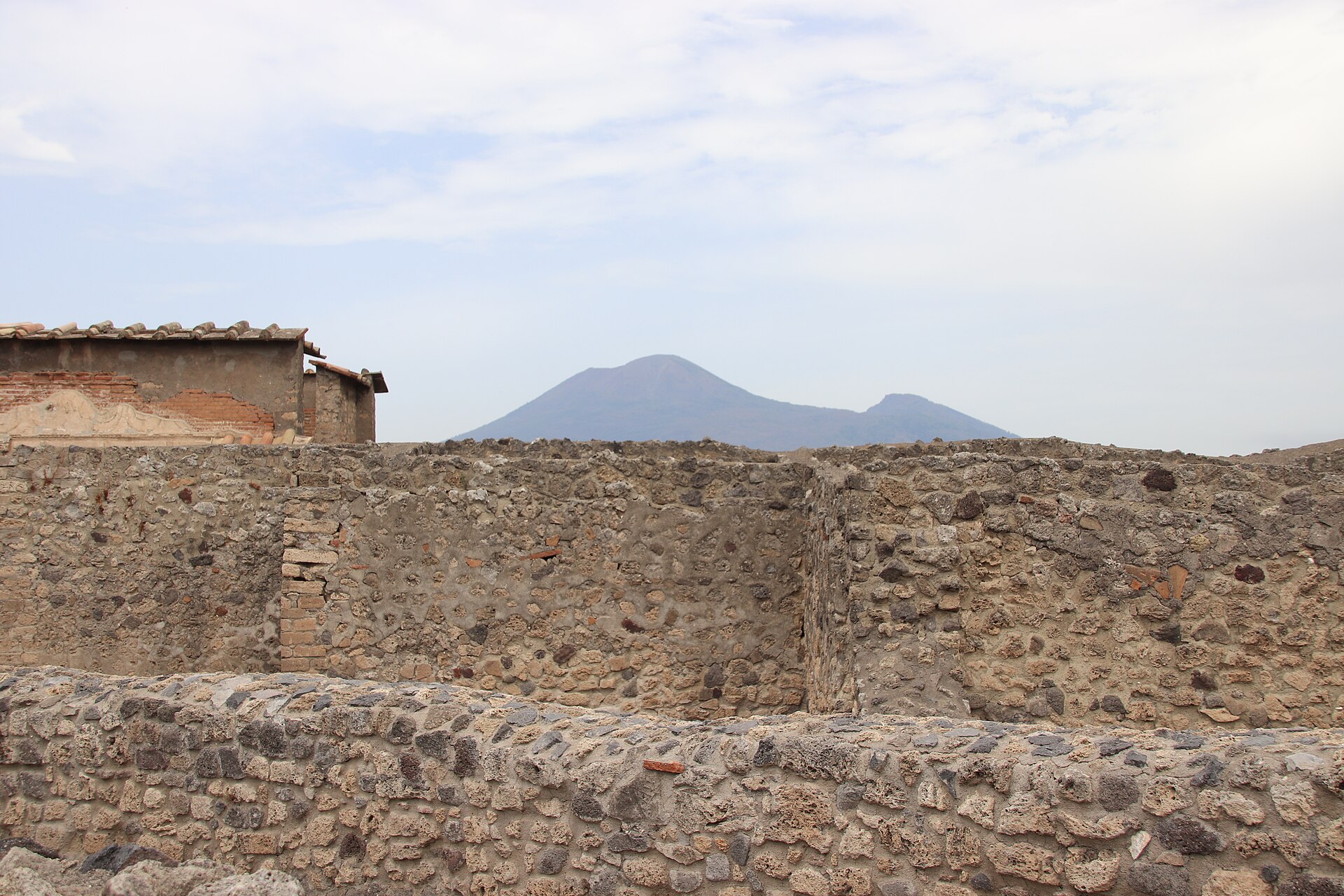
On August 24, 79 AD, Mount Vesuvius erupted and buried Pompeii under meters of volcanic ash, preserving a thriving Roman city in extraordinary detail. Rediscovered in 1748, the UNESCO World Heritage excavations reveal streets, shops, homes, temples, theaters, and even food still on tables. This 66-hectare site offers the most complete window into ancient Roman daily life anywhere in the world. Walking Pompeii's cobblestone streets, you see stepping stones for crossing muddy roads, ruts from chariot wheels, thermopolia (fast-food counters) with built-in terracotta jars, and election graffiti painted on walls. The best artifacts are at the Naples Archaeological Museum, and Naples Underground offers a different subterranean perspective on Naples.
Key Artifacts
The Forum: the civic heart of Pompeii with temples, markets, and the basilica (law court). Villa of the Mysteries: remarkably preserved frescoes depicting Dionysian initiation rituals in vivid reds and greens. The Amphitheater: the oldest surviving Roman amphitheater (70 BC), seating 20,000 spectators. Thermopolia: ancient fast-food counters with preserved ceramic jars still containing traces of food. House of the Faun: one of the largest and most impressive private homes, with the famous Alexander Mosaic (original now in the Naples Archaeological Museum). Plaster casts: haunting forms of victims preserved by volcanic ash. The Lupanar: the infamous brothel with explicit frescoes serving as a menu of services.
Excavation History
Pompeii lay buried and forgotten for nearly 1,700 years until workers digging a canal accidentally struck ruins in 1748. Systematic excavations under the Bourbon kings of Naples progressively revealed a complete Roman city frozen in time. In the 19th century, archaeologist Giuseppe Fiorelli pioneered the technique of pouring plaster into voids left by decomposed bodies, creating the haunting casts that remain Pompeii's most emotionally powerful artifacts. Only about two-thirds of the city has been excavated; ongoing work continues to reveal new discoveries, including a recently uncovered thermopolium with intact food and painted decorations. The site's conservation remains a constant challenge as exposed ruins deteriorate faster than buried ones.
When to Visit
April-October: 9 AM - 7 PM (last entry 5:30 PM). November-March: 9 AM - 5 PM (last entry 3:30 PM). Closed: January 1, May 1, December 25. Best time: early morning to avoid heat and crowds.
Admission and Costs
Entry ticket: €18 (book online to skip ticket lines). Combined Pompeii plus Herculaneum: €24 (valid 3 days). Group guided tour: €40-60 per person (2-3 hours). Private guide: €200-350 for up to 6 people (2.5-3 hours).
Tips for Visitors
Wear sturdy shoes: ancient cobblestones are uneven and slippery. Bring water: very little shade, especially in summer. Start early: morning visits beat both heat and cruise ship crowds. The site is 66 hectares -- overwhelming without expert direction to the best-preserved areas. Combine with the Naples Archaeological Museum where the best artifacts are displayed. Consider Herculaneum: smaller, better preserved, and less crowded.