

Overview
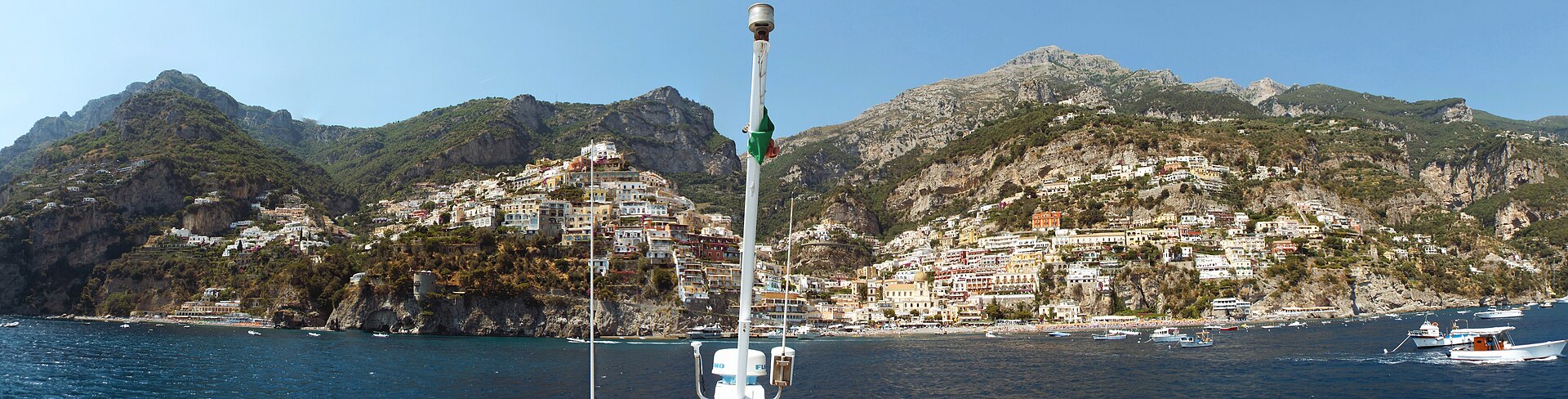
John Steinbeck wrote that Positano "bites deep. It is a dream place that isn't quite real when you are there and becomes beckoningly real after you have gone." This impossibly photogenic village tumbles down vertiginous cliffs in a cascade of pink, white, and terracotta houses, punctuated by bougainvillea and lemon trees, ending at a gray pebble beach. Once a poor fishing village, Positano was "discovered" in the 1950s and 60s by artists, writers, and jet-setters who made it synonymous with Mediterranean glamour. Today it draws visitors seeking that same magic -- though now with designer boutiques, luxury hotels, and prices to match. The town remains car-free below the main road; exploration happens on foot, climbing and descending hundreds of steps. Amalfi is a short ferry ride east, and Ravello sits high in the hills above.
Local Life
Walking Routes
Spiaggia Grande: the main beach with Positano's iconic cascading village backdrop. Chiesa di Santa Maria Assunta: the majolica-tiled dome visible across the village, housing a 13th-century Byzantine icon of the Madonna. Fornillo Beach: smaller, quieter alternative reached by a cliffside path west of the main beach. Via dei Mulini: the main pedestrian street with boutiques and cafes. Li Galli Islands: visible offshore, once owned by dancer Rudolf Nureyev -- accessible by boat. The ceramics shops sell hand-painted local pottery and tiles.
When to Visit
The village is extremely vertical -- pace yourself on the stairs. Morning arrival beats the day-trip crowds from Sorrento and Naples. Beach shoes are essential for pebble beaches. Evening: the village glows beautifully at sunset and after dark. The Sentiero degli Dei (Path of the Gods) hiking trail ends (or starts) nearby at Nocelle.
Admission and Costs
Town entry: free. Spiaggia Grande: free beach area (umbrellas €20-40). Fornillo Beach: quieter alternative, similar prices. Church: free to visit. Guided tour: usually included in Amalfi Coast day tours.
Tips for Visitors
Guides know shortcuts through the labyrinthine paths and can arrange boat trips to the Li Galli islands and sea grottos. Find authentic ceramics and linens among the tourist shops. Amalfi is more practical as a base but Positano is more dramatic. Ravello in the hills above offers gardens and views without the verticality.