
Major City
🇪🇬 Tour Guides in Aswan
Nubian gateway on the Nile where temples rise from desert and water
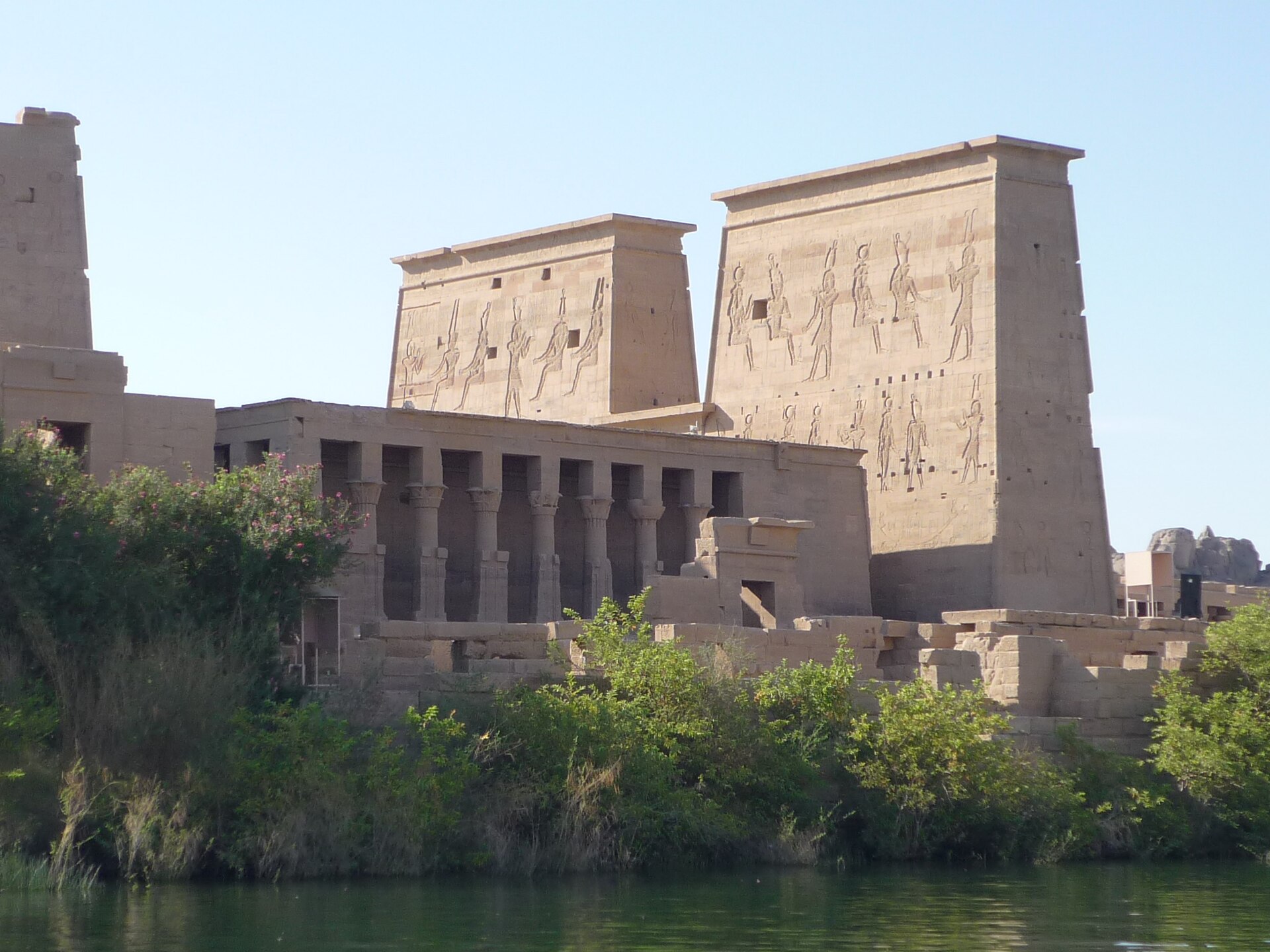

What makes Aswan a top destination?
Aswan sits at the first cataract of the Nile, the natural boundary between Egypt and ancient Nubia. Granite islands dot the river here, feluccas glide past ochre dunes, and the pace of life slows to something the rest of Egypt lost long ago. This is where pharaohs quarried the pink granite that built their obelisks, where early astronomers measured the Earth's circumference, and where the modern High Dam tamed the Nile's annual floods to create the vast Lake Nasser stretching south into Sudan. Unlike the monumental density of Cairo or Luxor, Aswan rewards visitors who linger. A morning spent sailing to Philae Temple on its island sanctuary gives way to an afternoon wandering the spice-scented souks of the Nubian quarter. The granite quarries where the Unfinished Obelisk still lies embedded in bedrock reveal how ancient engineers worked stone on a colossal scale. And for those willing to rise before dawn, the three-hour drive south to Abu Simbel delivers the single most dramatic sight in all of Egypt: four colossal statues of Ramesses II carved into a sandstone cliff above the lake.
What should you see in Aswan?
- Philae Temple Sound and Light Show — After dark, colored lights illuminate the Temple of Isis while a narrated history echoes across the water
- Felucca sunset sail — Drift past Elephantine Island and the Aga Khan Mausoleum as the desert sky turns amber and violet over the Nile
- Abu Simbel at sunrise — Ramesses II's colossal facade glows orange as the first light strikes the sandstone; twice a year the sun penetrates the inner sanctuary
- Nubian village visit — Cross the Nile to colorful Gharb Seheil village for henna painting, Nubian bread baked in clay ovens, and stories told in the Nobiin language
- Quarry tool marks — At the Unfinished Obelisk site, trace the dolerite ball marks and wedge slots that ancient stonemasons left behind three millennia ago
- Kitchener's Botanical Garden — A lush island arboretum planted by Lord Kitchener in the 1890s, reachable by felucca or motorboat
- Nubia Museum — A beautifully curated museum chronicling Nubian civilization from prehistory through the UNESCO salvage campaigns of the 1960s
What does a tour guide cost in Aswan?
Site entry tickets are separate. Philae Temple costs EGP 450 ($9), Abu Simbel EGP 600 ($12), Unfinished Obelisk EGP 200 (~$4). Felucca hire runs EGP 300-500 per boat for a 2-hour sunset sail. Prices change frequently — confirm with your guide before departure.
When should you visit Aswan?
Best season: October through March offers comfortable temperatures (20-28 °C); April onward regularly exceeds 40 °C, and summer can reach 50 °C. Sun Festival dates: February 22 and October 22 draw large crowds to Abu Simbel when sunlight aligns to illuminate the inner statues — book months ahead. Hydration: Carry at least 2 liters per person; Aswan is one of the driest cities on Earth with almost zero annual rainfall.
What is the best way to get around Aswan?
- Abu Simbel timing — Most visitors depart Aswan at 3-4 AM by road convoy (3 hours each way) or take a 45-minute EgyptAir flight — book guides who handle logistics end-to-end
- Modest dress — Cover shoulders and knees at temple sites; lightweight long sleeves also protect against fierce sun
- Nubian hospitality — If invited into a Nubian home for tea, accepting is both polite and rewarding — small gifts or school supplies for children are appreciated
- Tipping — EGP 50-100 for boat crews and site guards, 10-15% for private guides, EGP 20-50 for drivers
Frequently Asked Questions
What is the best time to visit Aswan?
Best season: October through March offers comfortable temperatures (20-28 °C); April onward regularly exceeds 40 °C, and summer can reach 50 °C.
How much does a tour guide cost in Aswan?
Aswan's guides tend to be deeply rooted in Nubian heritage, bringing personal stories alongside archaeological knowledge:
How do you get around Aswan?
Abu Simbel timing: Most visitors depart Aswan at 3-4 AM by road convoy (3 hours each way) or take a 45-minute EgyptAir flight — book guides who handle logistics end-to-end.