

Overview
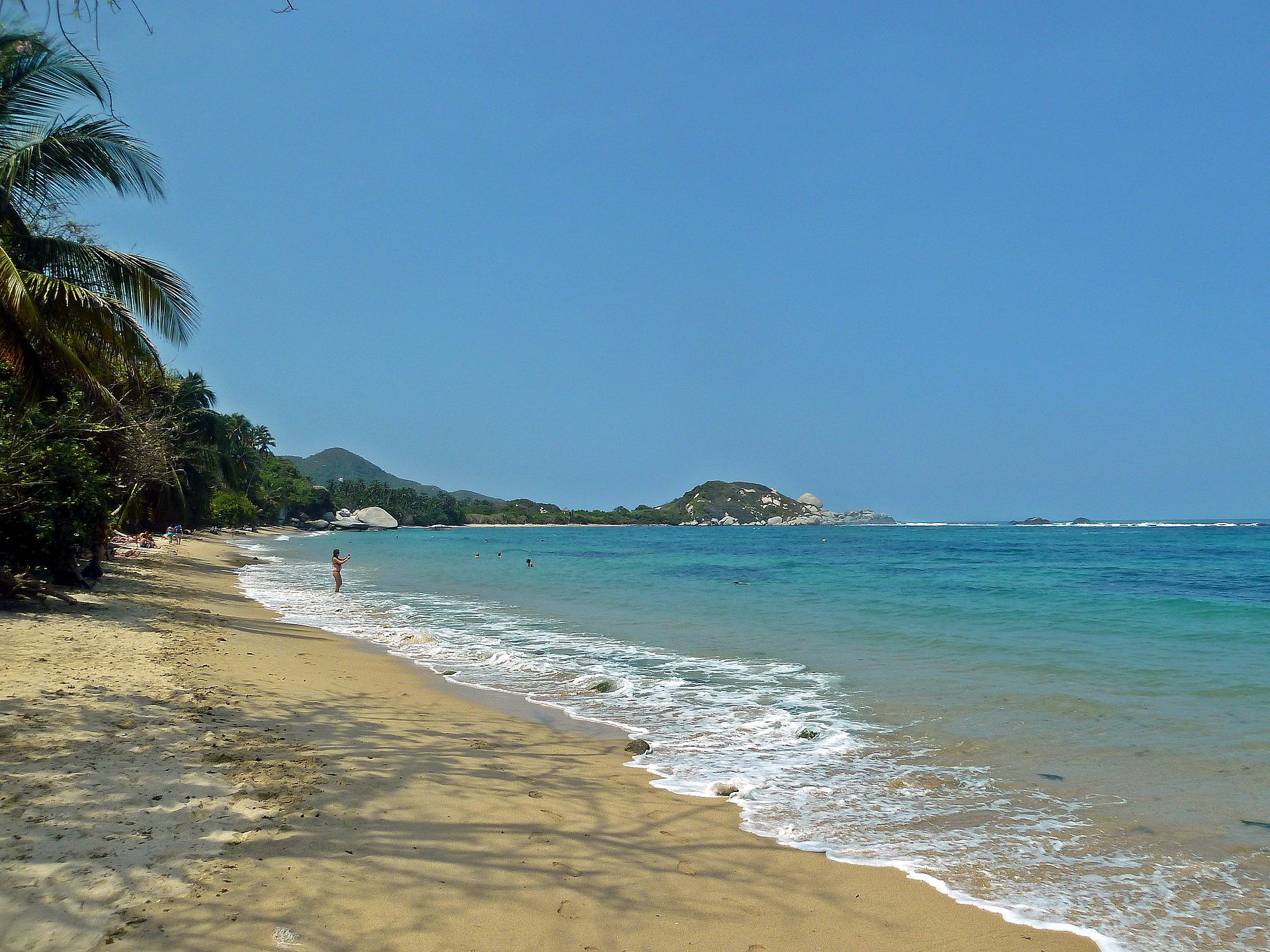
Parque Nacional Natural Tayrona protects 150 square kilometers of Caribbean coastline where the foothills of the Sierra Nevada de Santa Marta tumble directly into the sea. Dense tropical forest cloaks granite boulders that frame white sand coves lapped by turquoise water. The park shelters howler monkeys, iguanas, toucans, and over 300 bird species, while underwater coral gardens teem with reef fish. Ancient Tairona archaeological sites — stone terraces and pathways built over a thousand years ago — lie hidden in the canopy. There are no roads inside the park; all access is by foot along jungle trails, making the journey itself part of the experience. For official information, see Colombia national parks.
Trails
Cabo San Juan — The iconic palm-shaded beach with hammock camping and a rock formation viewpoint. Wildlife encounters — Howler monkeys crashing through the canopy, blue morpho butterflies, and coatis. Pueblito ruins — Ancient Tairona stone terraces hidden in the upper forest, a steep but rewarding climb. Snorkeling at La Piscina — Natural rock pool with calm water and reef fish
Wildlife
Red howler monkeys announce dawn from the canopy along the trail to Cabo San Juan, their roars audible a kilometer away. Cotton-top tamarins — a critically endangered primate found only in northern Colombia — occasionally appear in the lower forest. Blue morpho butterflies the size of a hand drift across sun-dappled clearings, while white-faced capuchins raid unattended backpacks at the beach camps. Offshore, reef fish including angelfish, parrotfish, and moray eels populate the rocky shallows at La Piscina, and coatis forage boldly through the campgrounds at dusk.
When to Visit
Park hours: 8 AM – 5 PM (last entry varies by trailhead). Overnight camping: Available at Cabo San Juan and other designated areas. Dry season: December–March and July–August for best weather. Closures: The park closes 2–3 times per year for ecological rest — check dates before planning
Admission and Costs
Entry (foreigners): COP 62,500 ($15.50). Hammock at Cabo San Juan: COP 30,000–50,000 ($7.50–12) per night. Tent rental: COP 40,000–70,000 ($10–17) per night. Guided day trip from Santa Marta: COP 150,000–250,000 ($37–60) per person. Horse ride (trailhead to beach): COP 40,000–60,000 ($10–15) one way
Tips for Visitors
Start early: Enter by 8 AM for the 2-hour trek to Cabo San Juan before midday heat. Pack light: Everything you bring must be carried on the trail — essentials only. Water and snacks: Bring plenty — park vendors exist but prices are steep and selection limited. Swimming safety: Strong currents at some beaches — only swim where marked safe. No plastic: Single-use plastics are banned inside the park — bring reusable bottles and bags