

Overview
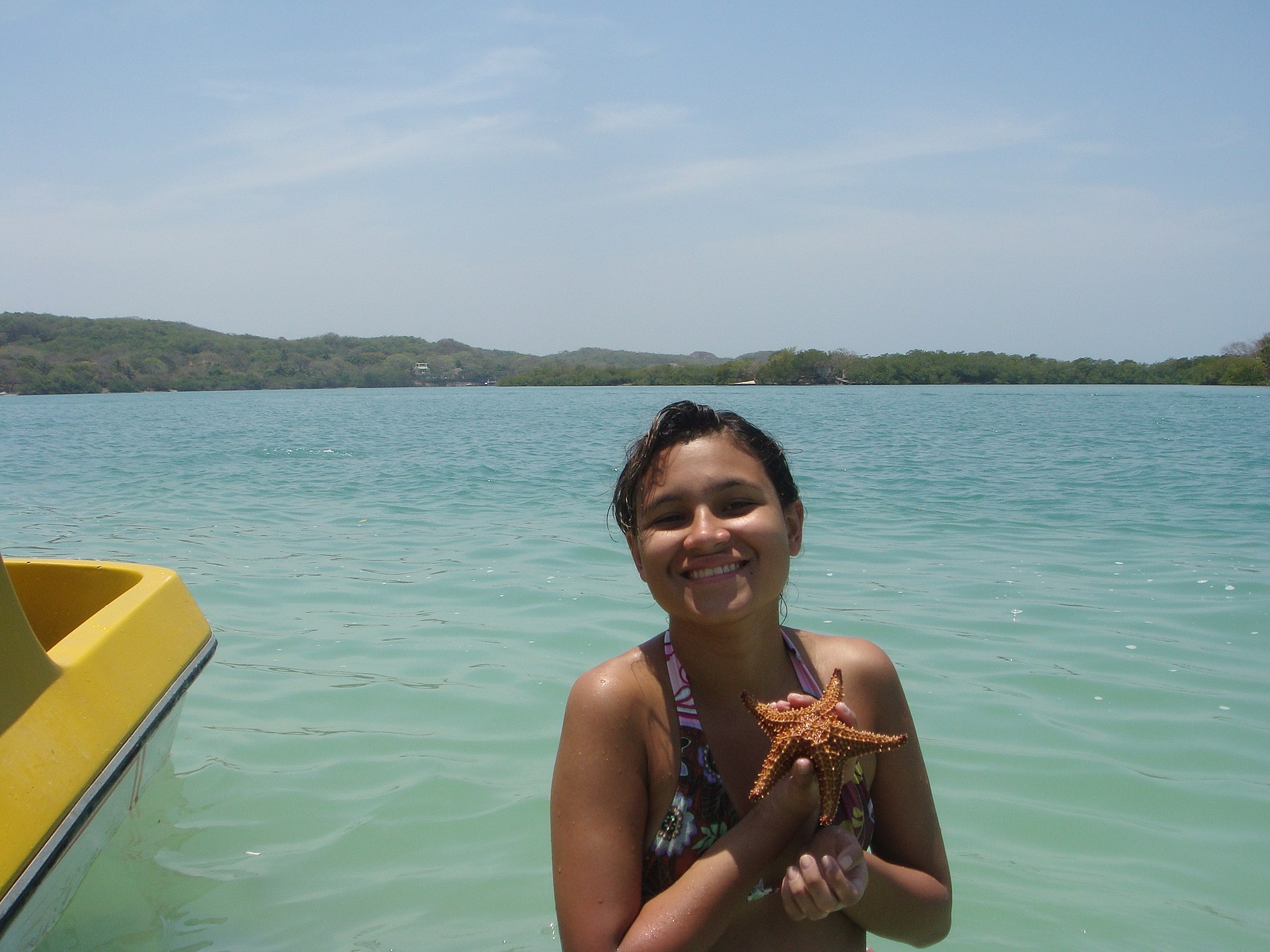
The Islas del Rosario are an archipelago of 27 small coral islands about 45 kilometers southwest of Cartagena, protected as a national natural park since 1988. The surrounding waters hold one of Colombia's most important coral reef ecosystems, with over 50 coral species and hundreds of fish species visible through crystalline Caribbean water. Most visitors come on day trips from Cartagena's port, spending the day snorkeling, kayaking, or simply floating in impossibly blue lagoons. Some islands offer overnight stays in eco-lodges for a more immersive experience.
Trails
Coral reef snorkeling — Tropical fish, sea fans, and brain coral in warm shallow waters. Natural lagoons — Enclosed pools of calm turquoise water perfect for swimming. Mangrove channels — Kayak through tunnels of red mangrove sheltering juvenile reef fish. Fresh seafood lunch — Grilled fish and coconut rice served on the sand
Wildlife
The archipelago's coral reefs shelter over 50 hard and soft coral species, including elkhorn, staghorn, and massive brain coral formations. Snorkelers regularly spot sergeant majors, parrotfish, blue tangs, and barracuda in the shallows, while hawksbill and green sea turtles feed on seagrass beds between the islands. Red mangrove channels serve as nurseries for juvenile snapper and lobster, and brown pelicans and magnificent frigatebirds circle overhead, diving for fish along the reef edges.
When to Visit
Boat departures: Typically 8–9 AM from Cartagena's Muelle de los Pegasos. Return: 3–4 PM (full day trip). Best months: December–April for calmest seas and clearest water. Avoid: October–November when rough seas can make crossings uncomfortable
Admission and Costs
Day trip (group boat): COP 150,000–200,000 ($37–50) including lunch. Day trip (private boat): COP 800,000–1,500,000 ($200–375) for up to 10 people. Snorkeling gear rental: COP 30,000–50,000 ($7.50–12). National park fee: COP 20,600 ($5) for foreigners. Oceanarium (optional): COP 45,000 ($11)
Tips for Visitors
Book through your hotel: Avoid dock touts; reputable boats are safer and better maintained. Reef-safe sunscreen: The coral is fragile — use biodegradable sunscreen to protect the ecosystem. Cash only: Most islands have no ATMs — bring enough COP for the day. Seasickness: The 45-minute crossing can be rough — take medication beforehand if sensitive. Private vs. group: Group tours are cheap but crowded; a private boat offers flexibility to visit quieter islands