
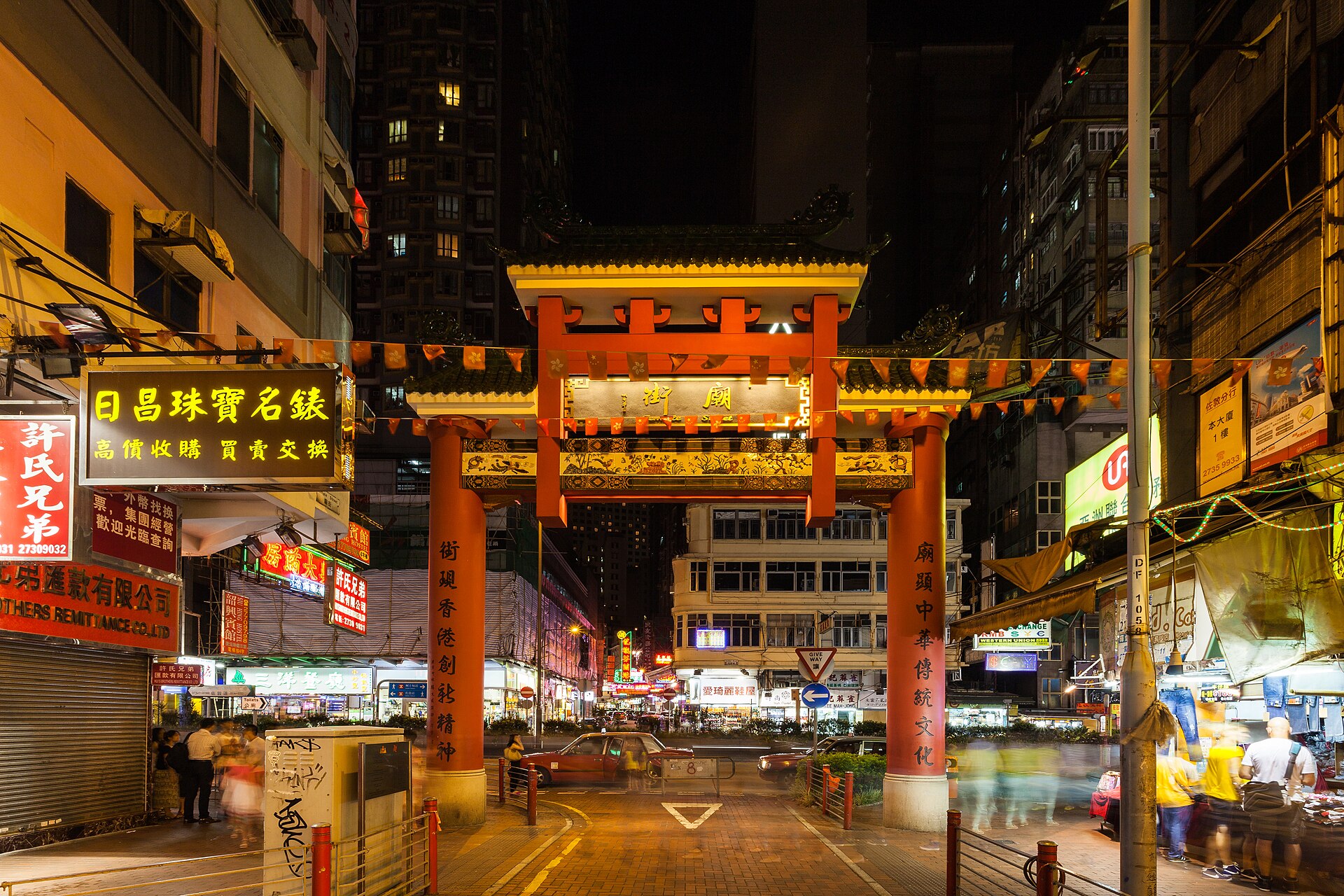

Overview
Temple Street Night Market stretches for roughly one kilometer through the Yau Ma Tei district of Kowloon, coming alive each evening as hundreds of vendors unfurl their stalls across both sides of the road. Named after the Tin Hau Temple that anchors its center, the market has operated in some form since the 1920s and remains one of the last great open-air night bazaars in Hong Kong. The northern section near the temple draws fortune tellers, palm readers, and Cantonese opera singers who perform under makeshift tarpaulin stages. The southern stretch focuses on merchandise: phone cases, vintage watches, jade trinkets, and clothing priced to negotiate. Between the stalls, dai pai dong restaurants set up folding tables on the pavement and cook claypot rice, salt-and-pepper squid, and typhoon shelter crab over roaring gas burners. Round out your Hong Kong evenings after daytime visits to Victoria Peak or Tian Tan Buddha.
What To Buy
Claypot rice at Hing Kee: Watch the cook layer Chinese sausage, mushrooms, and egg over rice in a clay vessel set over a gas flame until the bottom crackles. Cantonese opera performances: Amateur troupes sing under the temple banyan trees most evenings, keeping a centuries-old tradition alive on the street. Fortune teller alley: A row of palmists, face readers, and astrologists operate from tiny card tables near the Tin Hau Temple. Salt-and-pepper squid: Deep-fried whole squid tossed with chili, garlic, and scallions at sizzling pavement woks. Tin Hau Temple: A quiet incense-filled shrine to the sea goddess, standing in sharp contrast to the market chaos outside its doors. Buskers and performers: Musicians, card magicians, and calligraphers line the edges of the market, each drawing their own small crowd.
Food Stalls
Claypot rice at Hing Kee: The signature dish of the market, with Chinese sausage, mushrooms, and egg baked over a gas flame until a golden crust forms on the bottom of the clay pot. Salt-and-pepper squid: Whole squid deep-fried and tossed in a wok with chili, garlic, and spring onions, served sizzling on a paper plate. Stinky tofu: Fermented bean curd fried until crispy outside and creamy within — the pungent smell fades once you take the first bite. Wonton noodles: Springy egg noodles in clear shrimp broth topped with plump pork-and-prawn wontons, ladled out of stockpots that have been simmering since afternoon. Milk tea: Brewed through a cloth strainer so many times it earns the nickname "silk stocking tea," served scalding hot or poured over ice. Typhoon shelter crab: Deep-fried crab pieces smothered in crispy garlic, chili, and fermented black beans — messy to eat, impossible to stop.
When to Visit
Stalls begin setting up: Around 4:00 PM, with most operational by 6:00 PM. Peak atmosphere: 8:00 PM to 10:00 PM, when crowds, opera singing, and cooking smoke reach full intensity. Closing time: Most stalls pack up by 11:00 PM; food vendors sometimes continue past midnight. Best nights: Weeknights are less frantic and better for bargaining; weekends bring more energy but denser crowds.
Admission and Costs
Market entry: Free, it is a public street. Street food dishes: HK$30-80 per plate at pavement restaurants. Claypot rice for two: HK$60-120, a smoky, crispy-bottomed Cantonese classic. Fortune telling session: HK$100-300 depending on the method (palm, face, bird-picking).
Tips for Visitors
Bargain firmly but politely: Opening prices are typically double the expected sale price; smile, counter at 40-50%, and meet in the middle. Eat at the pavement tables: The dai pai dong stalls serve food that rivals high-end restaurants at a fraction of the cost; the atmosphere is the main course. Watch your belongings: Pickpocketing is uncommon but the dense crowds make it wise to keep bags zipped and in front. Arrive by MTR: Jordan Station (Exit A) or Yau Ma Tei Station (Exit C) both place you within a two-minute walk of the market. Skip the electronics: Phone accessories and cables here are often low-quality knockoffs; save tech purchases for Sham Shui Po or authorized stores.