

Overview
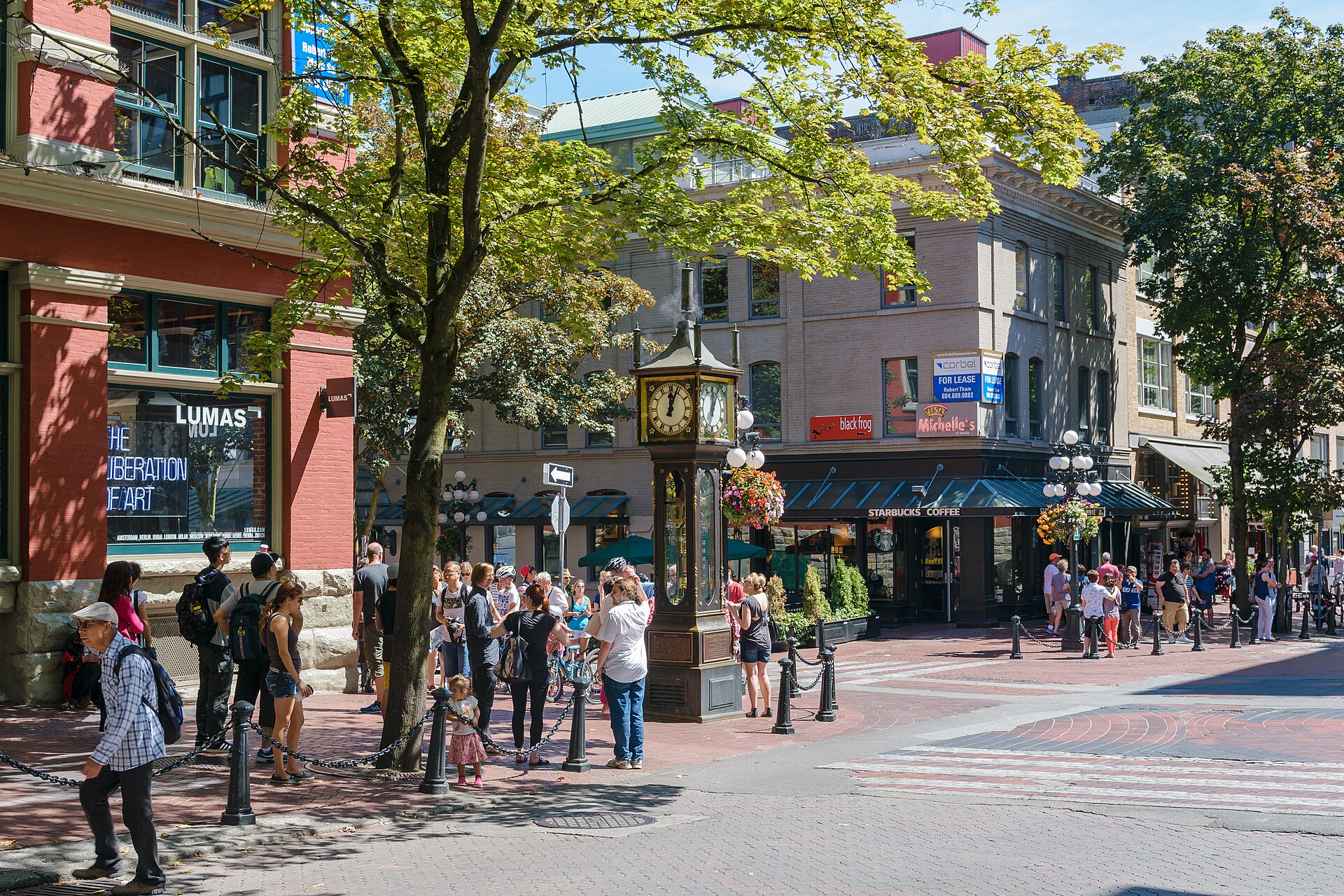
Vancouver's origin story begins in 1867 with a Yorkshire-born riverboat captain and saloonkeeper named John "Gassy Jack" Deighton, who rowed ashore near a Hastings Mill lumber camp and opened a whisky bar that drew enough thirsty workers to spawn a settlement. The rough-and-tumble hamlet that grew around his barrel-house saloon was nicknamed Gastown, and when the city incorporated in 1886 it was this clutch of wooden storefronts that served as its civic heart. A devastating fire levelled the neighbourhood that same year, but it was rebuilt almost overnight in brick, stone, and cast iron — materials that still define the streetscape today. Water Street, the main artery, stretches along a gentle slope of worn cobblestones flanked by heritage facades housing cocktail bars, design studios, and restaurants that have turned the district into one of the Pacific Northwest's most compelling dining destinations. At the corner of Cambie Street, a steam-powered clock chimes and whistles every fifteen minutes, drawing crowds of onlookers who gather beneath its brass housing to watch the mechanism vent its plume.
Walking Routes
The Steam Clock: Built in 1977 by horologist Raymond Saunders, this street-corner curiosity runs on an underground steam system and marks each quarter-hour with a whistle chorus drawn from the same pipes — it has become Vancouver's single most photographed object. Water Street architecture: A continuous run of brick-and-iron heritage buildings from the 1880s and 1890s, their cornices, arched windows, and cast-iron columns forming one of the most intact Victorian commercial streetscapes in western Canada. Gassy Jack statue: A bronze figure of the neighbourhood's boisterous founder stands atop a whisky barrel in Maple Tree Square, the very spot where his original saloon drew its first customers. Farm-to-table dining: Gastown has become a proving ground for Vancouver's chef-driven restaurant scene, with kitchens sourcing directly from Fraser Valley farms, Haida Gwaii fishermen, and Okanagan vineyards. Indie boutiques: Side streets like Blood Alley and Cordova harbour homegrown fashion labels, leather workers, vintage furniture dealers, and Indigenous art galleries that reflect the neighbourhood's creative identity. Proximity to Chinatown: Vancouver's Chinatown begins just a few blocks east, making it easy to extend a Gastown stroll into a second historically rich neighbourhood with the Dr. Sun Yat-Sen Classical Chinese Garden at its centre.
Local Life
Gastown's identity as a working creative neighbourhood predates its current dining fame by decades, and that artistic DNA still shapes daily life in the district. Design firms, tech startups, and independent publishers occupy the upper floors of the heritage buildings along Water Street and Cordova, filling the cafes below with a weekday crowd that treats the cobblestone lanes as an extended office commons rather than a tourist attraction. Morning regulars at Revolver Coffee and Timbertrain know the baristas by name, and the conversations at the communal tables tend toward typeface choices and gallery openings rather than sightseeing itineraries. The neighbourhood's restaurant scene thrives on local patronage as much as visitor traffic: chefs at L'Abattoir, Bauhaus, and The Mackenzie Room built their reputations by serving Vancouver diners who return season after season to track evolving menus that draw on Fraser Valley produce and Pacific Northwest seafood. On weekends, Maple Tree Square fills with photographers and sketch artists capturing the light on the brick facades, while the narrow lanes off Blood Alley host pop-up markets and impromptu gallery shows that blur the line between neighbourhood event and public art. The steam clock's quarter-hourly whistle has become so embedded in the local soundscape that longtime residents claim they can no longer hear it — a sign that Gastown's tourist icon has been fully absorbed into the rhythm of everyday life.
When to Visit
Neighbourhood access: Open around the clock — Gastown is a public neighbourhood, not a gated attraction. Shop hours: Most boutiques and galleries open 10 AM - 6 PM, with extended hours on weekends. Best time: Late afternoon when the western sun catches the brick facades and the cobblestones glow amber, then stay through dinner. Quietest period: Mid-morning on weekdays, ideal for photography without crowds clustering around the steam clock.
Admission and Costs
Exploring the neighbourhood: Free — the streets, architecture, and steam clock cost nothing to enjoy. Dining budget: CA$25-60 per person at restaurants ranging from casual noodle houses to acclaimed tasting-menu rooms. Cocktail bars: CA$15-22 per drink at establishments like The Diamond and Pourhouse, which specialise in pre-Prohibition-era recipes. Walking tours: CA$25-40 for a guided history walk covering the 1886 fire, the steam clock mechanism, and the neighbourhood's gritty revitalisation.
Tips for Visitors
Wear flat shoes: The cobblestones on Water Street are uneven and slippery when wet — heels and smooth soles are a recipe for stumbling. Reserve for dinner: Popular restaurants like L'Abattoir and Bauhaus seat fewer than fifty, and weekend tables fill days in advance. Transit access: Waterfront Station, served by the SkyTrain, SeaBus, and West Coast Express, sits at Gastown's western edge — no car needed. Pair with a walking tour: The neighbourhood's layered history — Indigenous roots, colonial founding, fire, decline, revival — comes alive with a knowledgeable guide who can point out details hidden in plain sight. Stay aware of surroundings: The blocks immediately east transition into the Downtown Eastside, a neighbourhood facing visible challenges; stick to well-lit main streets after dark and remain respectful of residents. Combine with Granville Island: A water taxi from the nearby Waterfront Station area connects to False Creek destinations, making it easy to pair the two in a single day.