

Overview
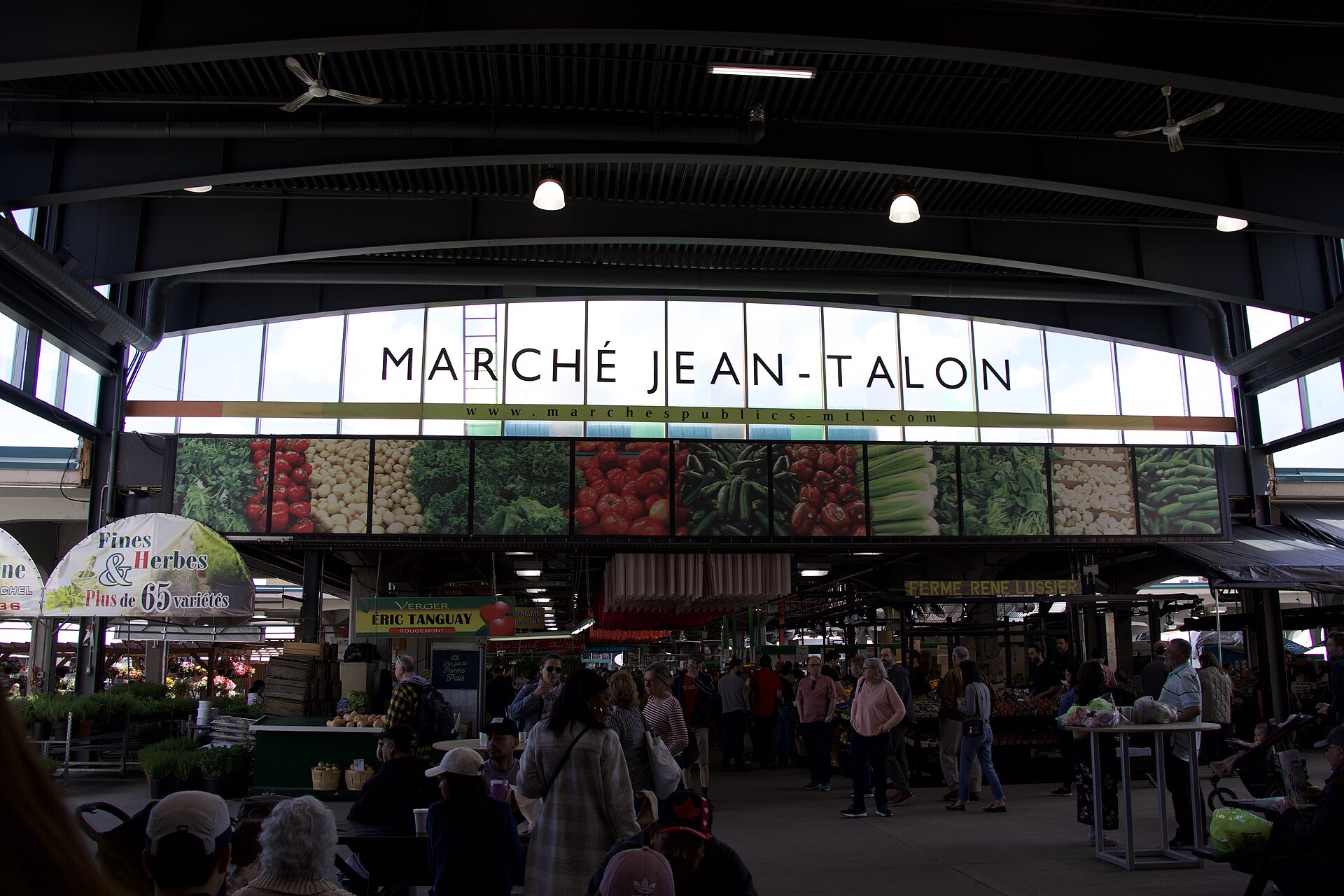
Marche Jean-Talon opened in 1933 as a Depression-era initiative to connect Quebec farmers directly with urban buyers, and ninety years later it remains one of the largest open-air markets in North America. Wedged into the heart of Little Italy between Boulevard Saint-Laurent and Rue Jean-Talon, the market sprawls across a covered central hall and surrounding outdoor stalls where vendors heap wooden crates with whatever the season delivers — fiddlehead ferns and rhubarb in spring, strawberries and sweet corn through summer, heirloom apples and pumpkins as the leaves turn. The permanent shops that ring the perimeter are destinations in their own right: fromageries stocking wheels of Oka and raw-milk blues from the Eastern Townships, spice merchants importing directly from North Africa and the Middle East, and butchers curing charcuterie in the European tradition their grandparents brought across the Atlantic. The market sits at the crossroads of Montreal's immigrant food culture, where Italian nonnas selecting San Marzano tomatoes share aisle space with Haitian vendors selling scotch bonnet peppers and Lebanese bakers pulling flatbread from stone ovens. It is less a tourist attraction than a working pantry, a place where the city feeds itself with produce that was in the ground that same morning.
What To Buy
Artisan fromageries: Shops like Fromagerie Hamel stock hundreds of Quebec cheeses — the province's raw-milk revolution has produced award-winning varieties that stand up against European benchmarks, and vendors happily offer tastes before you commit. Maple syrup vendors: Sugar shacks from the Laurentians and Beauce regions sell syrup, butter, taffy, and maple-smoked products directly at the market, letting you compare terroirs the way wine drinkers compare vintages. Seasonal berries and orchard fruit: Ile d'Orleans strawberries in June, Monteregie blueberries in July, wild blackberries in August, and McIntosh apples from the Eastern Townships through autumn — each week brings a different star ingredient. Immigrant food traditions: The surrounding Little Italy neighbourhood infuses the market with Italian, Portuguese, Haitian, and Middle Eastern culinary influence, visible in the spice blends, cured meats, and baked goods lining the perimeter shops. Fresh herb and flower stalls: In summer, outdoor vendors sell potted herbs, heirloom seedlings, and bouquets of local wildflowers so fragrant that the scent carries across the entire market square. Bakeries and prepared food: Grab a warm croissant, a wood-fired pizza slice, or a cup of espresso from the permanent stands that feed the morning crowd of chefs and home cooks filling their baskets.
Food Stalls
The market's culinary scene divides into two distinct experiences: the permanent perimeter shops and the seasonal outdoor vendors. Among the permanent stalls, Fromagerie Hamel has been aging Quebec cheeses since 1961, offering guided tastings that compare Le Riopelle (a triple-cream named after the painter) with aged cheddar from Ile-aux-Grues. Olives et Epices stocks over 200 spice blends and infused oils imported from the Mediterranean and North Africa. The outdoor vendors rotate with the seasons — in peak harvest months, expect Les Jardins Carya with organic greens, Ferme Guyon with heirloom tomatoes, and multiple cabanes a sucre (sugar shacks) offering maple products in every conceivable form. For ready-to-eat food, the covered hall includes a Portuguese rotisserie, a Vietnamese banh mi counter, and Italian sandwich shops making panini with market-sourced ingredients. A guided food tour coordinates tastings across 5-8 vendors, building a narrative that connects Quebec's agricultural history, immigrant foodways, and the terroir-driven philosophy that makes this market more than a grocery trip.
When to Visit
General hours: Daily 7 AM - 6 PM, with some vendors opening earlier and permanent shops staying open slightly later. Peak season: Late July through October, when the outdoor stalls are at full capacity and the harvest is at its most abundant. Best time: Saturday mornings between 8 AM and 10 AM, when farmers arrive with the freshest stock but the aisles have not yet become shoulder-to-shoulder. Winter operation: The market stays open year-round, though outdoor stalls give way to a smaller indoor selection focused on root vegetables, preserved goods, maple products, and greenhouse herbs.
Admission and Costs
Market entry: Free — there is no admission fee to browse, sample, or photograph the stalls. Maple syrup: CA$12-18 per can depending on grade and producer; darker grades carry a more robust flavour prized by locals. Artisan cheeses: CA$8-25 per piece, ranging from fresh goat curds to aged raw-milk varieties that rival anything from the French countryside. Food tour with tastings: CA$75-100 per person for a guided walk that visits five to eight vendors with curated samples and behind-the-counter stories.
Tips for Visitors
Bring cash for small vendors: While permanent shops accept cards, many seasonal outdoor stalls still prefer cash — an ATM is available near the north entrance. Bring your own bags: Vendors provide minimal packaging, and a sturdy tote or backpack makes carrying purchases far easier than juggling loose paper bags. Take the metro: Jean-Talon station on the blue and orange lines sits one block south of the market — parking in the neighbourhood is scarce and metered. Explore Little Italy: The surrounding blocks along Boulevard Saint-Laurent and Rue Dante are packed with espresso bars, gelaterias, and Italian delis that extend the market experience into a full morning of eating. Sample before buying: Cheese vendors, olive oil importers, and maple producers expect you to taste — asking for a sample is not only welcome, it is how the market has operated for nearly a century.