

Overview
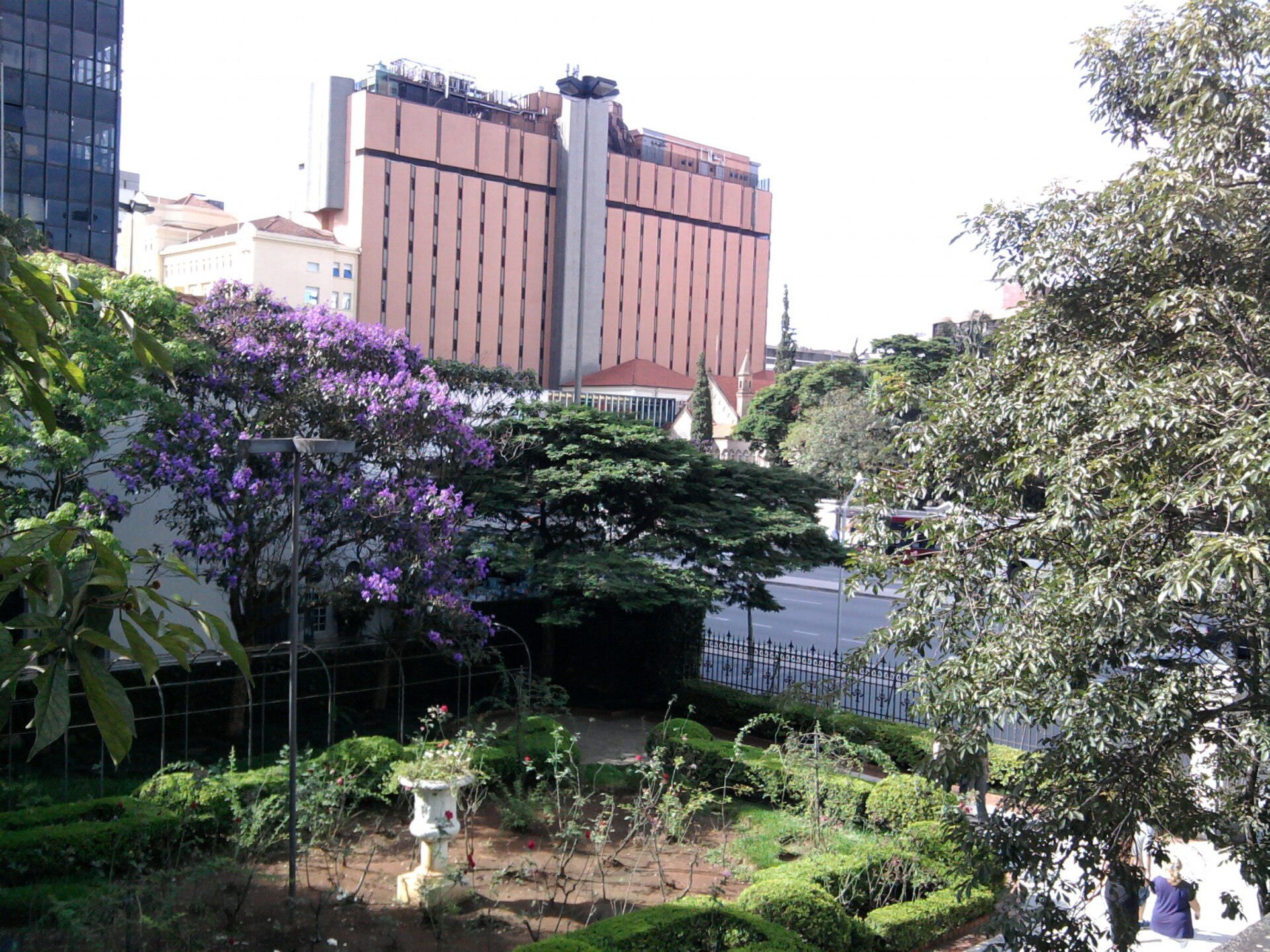
Avenida Paulista is Sao Paulo's most iconic thoroughfare, a 2.8 km boulevard lined with skyscrapers, cultural centers, museums, and the headquarters of Brazil's biggest corporations. Originally a dirt road atop a ridge where coffee barons built opulent mansions in the 1890s, the avenue has been transformed through a century of demolition and construction into a canyon of glass towers punctuated by cultural institutions that make it one of Latin America's most important cultural corridors. Paulistanos (Sao Paulo residents) come here to work, protest, celebrate, and stroll — especially on Sundays when the avenue closes to cars and transforms into a massive pedestrian space filled with street performers, food vendors, cyclists, and families. The avenue's layered history includes Brazil's military dictatorship, democratization protests of the 1980s, annual Pride parades (one of the world's largest), and modern cultural festivals. MASP's iconic red Brutalist building anchors the cultural landscape, flanked by Japan House — reflecting the deep ties between Sao Paulo's Japanese-Brazilian community (the largest outside Japan) — and Itau Cultural, one of Brazil's most important free exhibition spaces.
Landmarks Along
MASP: Lina Bo Bardi's iconic 1968 red Brutalist building suspended on concrete beams, housing Latin America's finest art collection — the defining landmark of the avenue. Japan House: Kengo Kuma-designed cultural center celebrating Sao Paulo's Japanese-Brazilian heritage through rotating exhibitions, culinary events, and design programming — free admission. Itau Cultural: One of Brazil's most important arts institutions with free exhibitions spanning visual art, music, film, and digital culture. SESC Avenida Paulista: Cultural center with a rooftop terrace offering panoramic views over the Sao Paulo skyline — free access. Casa das Rosas: A rare surviving 1935 Art Deco mansion amid the towers, now a poetry and literature center. Conjunto Nacional: A landmark 1950s mixed-use building with the Livraria Cultura bookstore and rooftop garden. Instituto Moreira Salles: Photography and art gallery in a striking contemporary building. The avenue's architectural evolution — from coffee baron eclecticism through mid-century modernism to contemporary glass towers — reads as a compressed history of Brazilian economic transformation.
Photo Spots
The MASP belvedere offers the most iconic Paulista Avenue photograph: the red concrete beams framing the avenue stretching into the distance, with the Sunday antiques fair spreading beneath the suspended building. For elevated perspectives, the SESC Avenida Paulista rooftop terrace (free access) provides panoramic views across the Sao Paulo skyline — best at sunset when the city's towers catch golden light. The Mirante 9 de Julho tunnel overlook, at the avenue's midpoint, frames a dramatic downward view through the tunnel entrance with the city spreading beyond. On Sundays, the car-free boulevard itself becomes photogenic: cyclists, performers, street art, and food vendors against the backdrop of modernist towers create lively street photography opportunities. At night, the illuminated corporate towers and cultural center facades transform the avenue into a corridor of light — shoot from the central median at Trianon-MASP metro station for symmetrical compositions down the boulevard.
When to Visit
Open: 24/7 year-round. Best: Sunday 10 AM - 5 PM when the avenue closes to traffic and transforms into a 2.8 km pedestrian boulevard with antiques fair, street food, performers, and cyclists. Evening: Weekday lights and energy after 6 PM when office workers flood the restaurants and bars. Avoid: Weekday rush hours (7-9 AM, 5-8 PM) when pedestrian sidewalks become uncomfortably crowded. Cultural centers along the avenue typically open Tuesday-Sunday 10 AM - 6 PM (some with extended Thursday hours). The annual Sao Paulo Pride Parade (June) draws millions to the avenue.
Admission and Costs
Walking the avenue: Free. MASP entry: R$30 (free Tuesday). Japan House: Free cultural center with rotating exhibitions on Japanese and Japanese-Brazilian culture. Itau Cultural: Free exhibitions and performances. SESC Avenida Paulista: Free (rooftop terrace with panoramic views). Guided walking tour: R$120-200 per person covering architecture, history, and cultural centers. Sunday antiques fair (under MASP): Free to browse, purchases vary.
Tips for Visitors
Sunday visits are essential: Come for the car-free boulevard, the antiques fair under MASP, street food vendors selling pastel de feira (fried pastry), and the relaxed paulistano atmosphere. Metro access: Multiple stations along the avenue (Trianon-MASP, Consolacao, Brigadeiro) make it easy to reach. Wear comfortable shoes — the 2.8 km length plus cultural center visits means significant walking on hard pavement. Try pastel de feira at the Sunday market — the cheese and palmito (heart of palm) fillings are classic. Safety: Generally safe on main avenue but watch belongings in crowds, especially during Sunday events. The few surviving coffee baron mansions hidden between glass towers are worth spotting — guides point them out. Ibirapuera Park is reachable from the avenue's southern end by taxi or bus.