

Overview
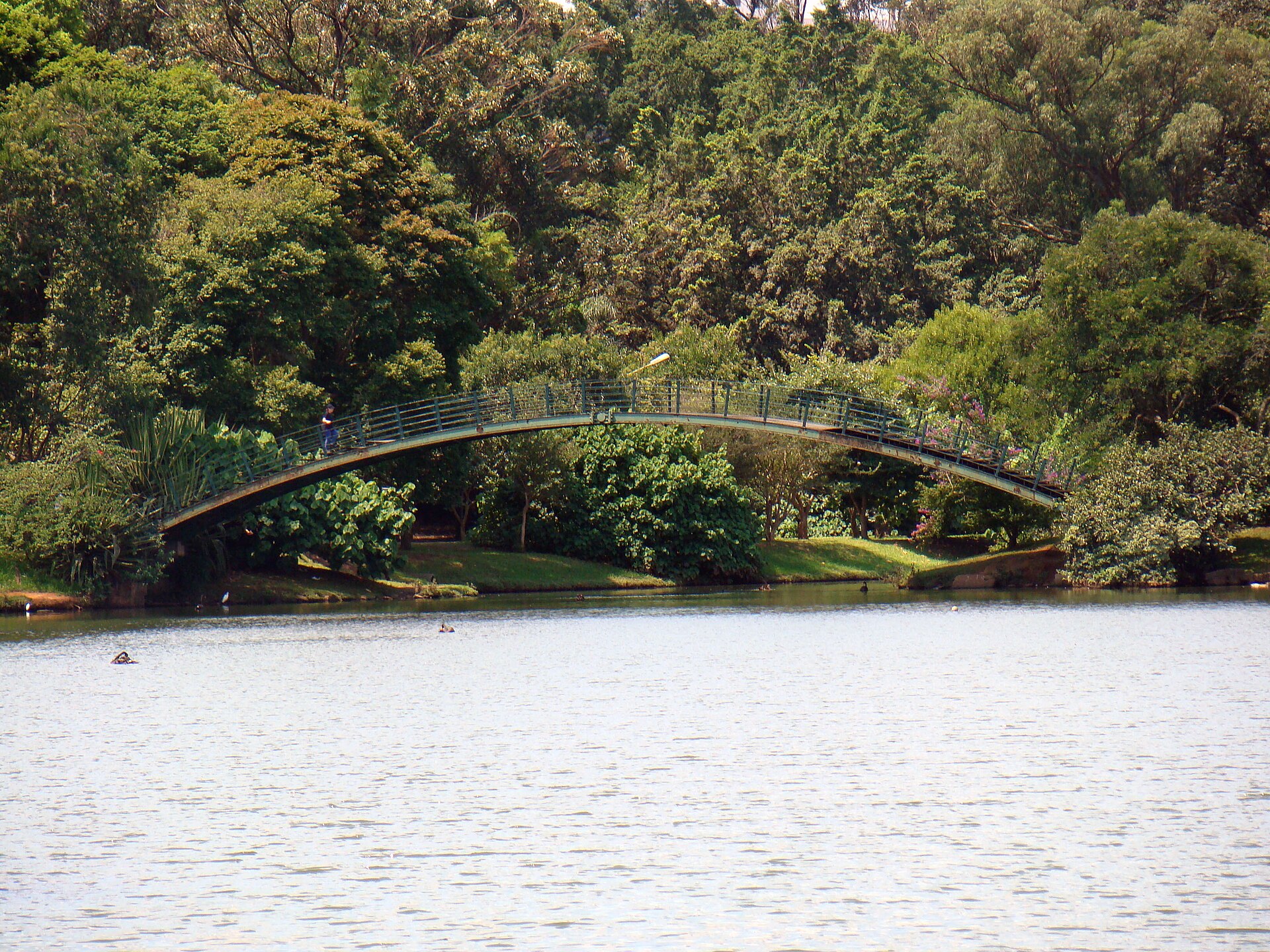
Parque Ibirapuera is Sao Paulo's answer to Central Park — 158 hectares (390 acres) of green space in the heart of South America's largest metropolis, designed by landscape architect Roberto Burle Marx and featuring iconic buildings by Oscar Niemeyer. Opened in 1954 to celebrate Sao Paulo's 400th anniversary, the park combines tropical gardens, artificial lakes, world-class museums, and cultural spaces that host concerts and events year-round. Walking with a guide reveals the creative tensions behind its design: Burle Marx's tropical planting schemes deliberately broke with European garden traditions, using native Brazilian species in bold geometric patterns that influenced landscape architecture worldwide. Niemeyer's marquise — a sinuous concrete canopy stretching over 600 meters — was controversial at its 1954 inauguration for its audacious modernist form. Guides take you inside the Oca pavilion to explain how its dome echoes indigenous Tupi dwelling forms, and navigate the Museu Afro Brasil's collection to connect pieces with the living traditions of Sao Paulo's diverse neighborhoods. The park also houses MAM (Museum of Modern Art) with its sculpture garden, the Auditorio Ibirapuera (also by Niemeyer), and the Pavilhao Japones (Japanese Pavilion) — a hidden gem reflecting Sao Paulo's status as home to the largest Japanese diaspora community outside Japan.
Activities
The park's 8 km of dedicated bike paths wind past lakes, through forest fragments, and alongside Niemeyer's architectural landmarks — bike rental kiosks at the main entrances charge R$15-25 per hour. Jogging circuits range from a 3.5 km outer loop to shorter paths around individual lakes. The Museu Afro Brasil occupies the Pavilhao Manoel da Nobrega with a permanent collection celebrating African-Brazilian heritage across art, history, and culture. MAM (Museum of Modern Art) features rotating contemporary exhibitions plus a sculpture garden accessible for free from the park grounds. The Oca pavilion hosts major temporary exhibitions — its dome interior provides a dramatic display space. The Auditorio Ibirapuera programs classical music, jazz, and Brazilian popular music throughout the year. Three artificial lakes offer peaceful spots for relaxation, and the Viveiro Manequinho Lopes nursery displays native plant species from Brazil's major biomes.
Seasonal Highlights
Brazilian summer (December-March) brings the warmest weather and longest daylight for outdoor activities, though afternoon thunderstorms are common — mornings are best. Carnaval season (February-March) fills the park with blocos (street party groups), rehearsals, and special cultural programming. The Sao Paulo Bienal (every two years, typically September-December) transforms the Pavilhao Ciccillo Matarazzo into one of the world's most important contemporary art exhibitions — a must-visit during those months. Winter (June-August) brings cooler, drier weather ideal for extended walks and cycling without the humidity of summer. Spring (September-November) sees the park's tropical plantings at their most vibrant, with flowering ipes (trumpet trees) creating spectacular yellow and purple canopies. Year-round, the park hosts free outdoor concerts, film screenings, and cultural festivals — check the events calendar before your visit.
When to Visit
Park: Daily 5 AM - midnight. Museums: Tuesday-Sunday 10 AM - 6 PM (closed Mondays). Best: Weekend mornings (8-11 AM) for the most lively atmosphere — runners, cyclists, families, and live music. Weekday mornings offer a peaceful alternative with thinner crowds. Events: Check the park calendar for free concerts, exhibitions, and festivals. Carnaval season (February-March) brings special programming. The Auditorio Ibirapuera hosts performances year-round. Avoid: Weekday lunch hours when office workers crowd the paths, or hot midday hours (12-2 PM) when shade is limited in central open areas.
Admission and Costs
Park entry: Free. Museu Afro Brasil: R$15 (free on Saturdays). MAM (Museum of Modern Art): R$25. Bike rental: R$15-25 per hour at park entrance kiosks. Planetarium: R$20 (book ahead for astronomy shows). Pavilhao Japones (Japanese Pavilion): R$15. Guided park tour: R$150-250 per person covering architecture, museums, and landscape design. Food kiosks inside the park offer meals for R$20-40; restaurants around the perimeter are slightly more upscale.
Tips for Visitors
The park spans 158 hectares so rent a bike at the entrance kiosks to cover more ground efficiently — 8 km of dedicated cycling paths connect the major attractions. The Oscar Niemeyer-designed buildings (Oca, MAM, Auditorio) are worth visiting for the architecture alone even without current exhibits. Sunday mornings are the most lively with runners, families, and live music, but weekday mornings offer a peaceful alternative. Bring sunscreen and water — shade is limited in the central open areas between the lakes. The Pavilhao Japones garden is a hidden gem that most visitors miss, tucked behind the main lake. Free museum entry days rotate — check schedules to combine free admission with your park visit. MASP and Paulista Avenue are a short taxi ride from the park's northern entrance.