

Overview
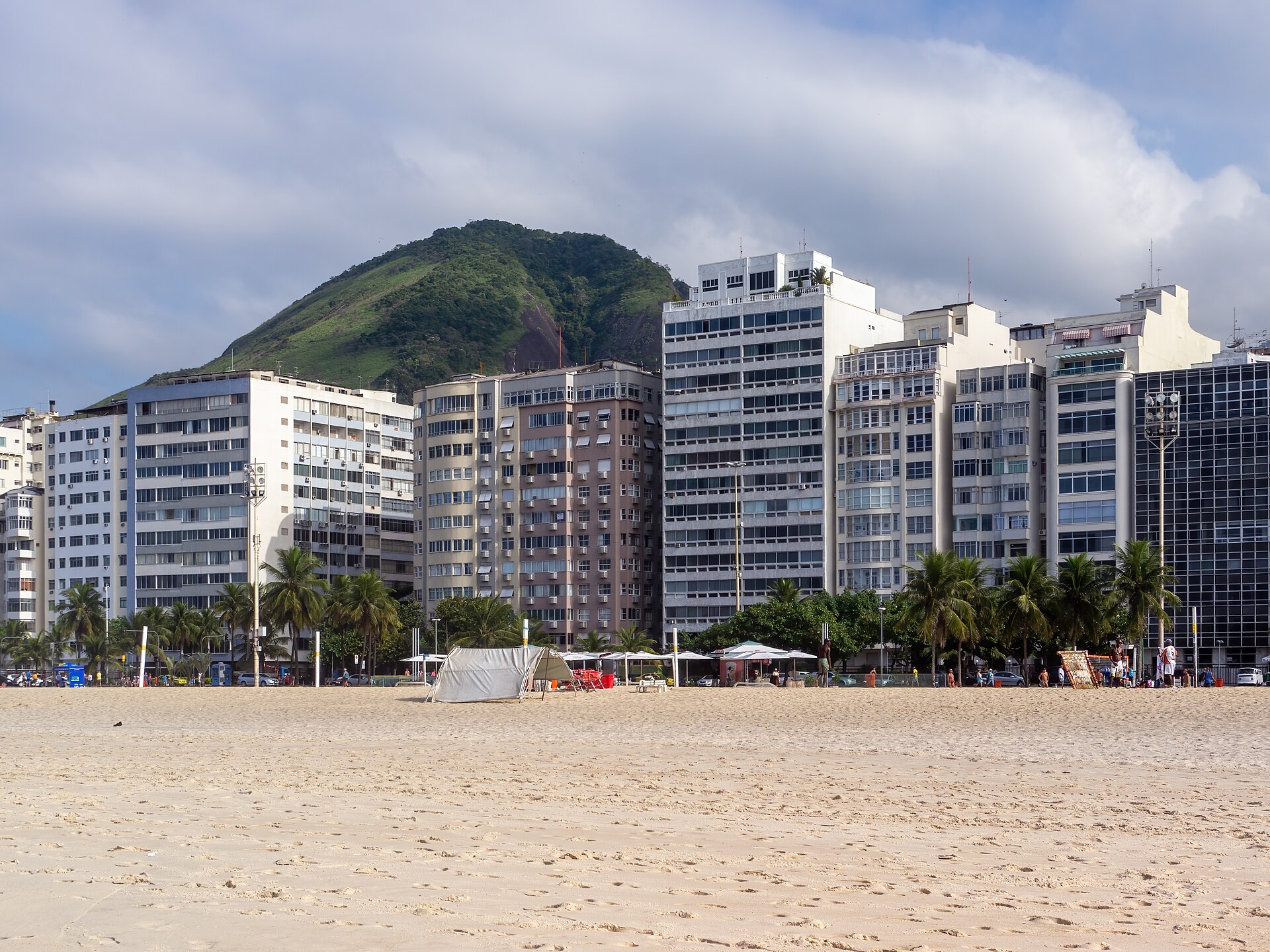
Copacabana's 4-kilometer crescent of white sand and black-and-white mosaic boardwalk is the beating heart of Rio de Janeiro's beach culture. From sunrise soccer games to sunset caipirinhas, the beach pulses with energy that defines the Carioca (Rio local) way of life. Roberto Burle Marx designed the iconic wave-patterned boardwalk using Portuguese calcada techniques, creating one of the world's most recognizable promenades. The Copacabana Palace hotel, opened in 1923, shaped Rio's golden-age glamour and still anchors the neighborhood's identity as a place where beach culture meets cosmopolitan sophistication. Cariocas treat the sand as an outdoor living room — exercising, socializing, playing futevolei (foot volleyball), and conducting business deals in swim trunks. The beach is organized by numbered postos (lifeguard stations), each with its own character: Posto 6 near the Forte de Copacabana draws locals for frescobol (paddle ball), while the central stretches attract tourists and vendors. A guide explains the unwritten rules of Brazilian beach etiquette — from renting the right barraca chair to ordering biscoito Globo, the crispy tapioca biscuits sold on this sand since 1953.
Trails
The 4-kilometer Copacabana boardwalk itself constitutes the primary walking route, stretching from the Forte de Copacabana military fortress at the southern end to Posto 1 near Leme hill at the north. Burle Marx's wave-patterned calcada mosaic underfoot guides you past numbered postos, each with its own character. At the southern tip, the Forte de Copacabana (R$6 entry) offers panoramic views from its ramparts plus a cafe with direct beach access. From the northern end, a short trail climbs Morro do Leme through Atlantic Forest remnants — 20 minutes up for elevated views over the full Copacabana curve. For longer exploration, walk south past the fort into neighboring Ipanema, continuing the coastal promenade without interruption along another 2 kilometers of iconic beachfront.
Wildlife
Copacabana is primarily an urban beach, but the adjacent Morro do Leme nature trail harbors surprising biodiversity. Common sagui marmosets (small New World monkeys) inhabit the forested hillside and frequently approach visitors. Various bem-te-vi (great kiskadee) birds and tropical tanagers are visible in the canopy. In the water, sea turtles occasionally surface in calmer conditions, though swimmers are more likely to encounter schools of small fish near the Forte de Copacabana rocks. The beach itself hosts colonies of quero-quero (southern lapwing) birds that patrol the sand at dawn before crowds arrive. During winter months (June-September), humpback whales migrating along the Brazilian coast are occasionally visible from elevated positions at Leme hill.
When to Visit
Access: 24/7 year-round (public beach). Morning (7-10 AM): Locals exercising, fresh agua de coco (coconut water) vendors, quietest atmosphere. Midday (11 AM - 4 PM): Peak sun and crowds — intense UV requires high-SPF sunscreen. Late afternoon (4-7 PM): Futevolei and beach soccer games, sunset drinks at kiosks. Evening: Lively boardwalk with street vendors and restaurants. Best season: Brazilian summer (December-March) for maximum energy; shoulder months (April-May, October-November) for pleasant weather with fewer tourists.
Admission and Costs
Beach access: Free (public beach). Chair rental: R$10-15 from established barraca vendors. Agua de coco (coconut water): R$5-10. Caipirinhas at beach kiosks: R$15-25. Biscoito Globo (tapioca biscuits): R$5. Cultural beach tour: R$150-250 with local guide covering history, etiquette, and food culture. Surf lesson: R$100-150 for 1-2 hours with equipment. Stand-up paddleboard rental: R$50-80 per hour.
Tips for Visitors
Do not bring valuables to the sand — carry minimal cash only, leave phones and jewelry at your hotel or in a waterproof pouch. The sun is intense year-round, so high-SPF sunscreen is essential even on overcast days. Rent a barraca chair from an established vendor near your posto (numbered lifeguard station) rather than from walking sellers. For a quieter experience, head to Posto 6 near the Forte de Copacabana where locals gather for frescobol. Ipanema beach is a short walk south and slightly more upscale if you want to compare the two iconic stretches. Try agua de coco from the coconut carts — it is Rio's signature refreshment. New Year's Eve draws over 2 million people for fireworks — an extraordinary experience but requires extreme crowd tolerance.