

What makes Belgium a must-visit destination?
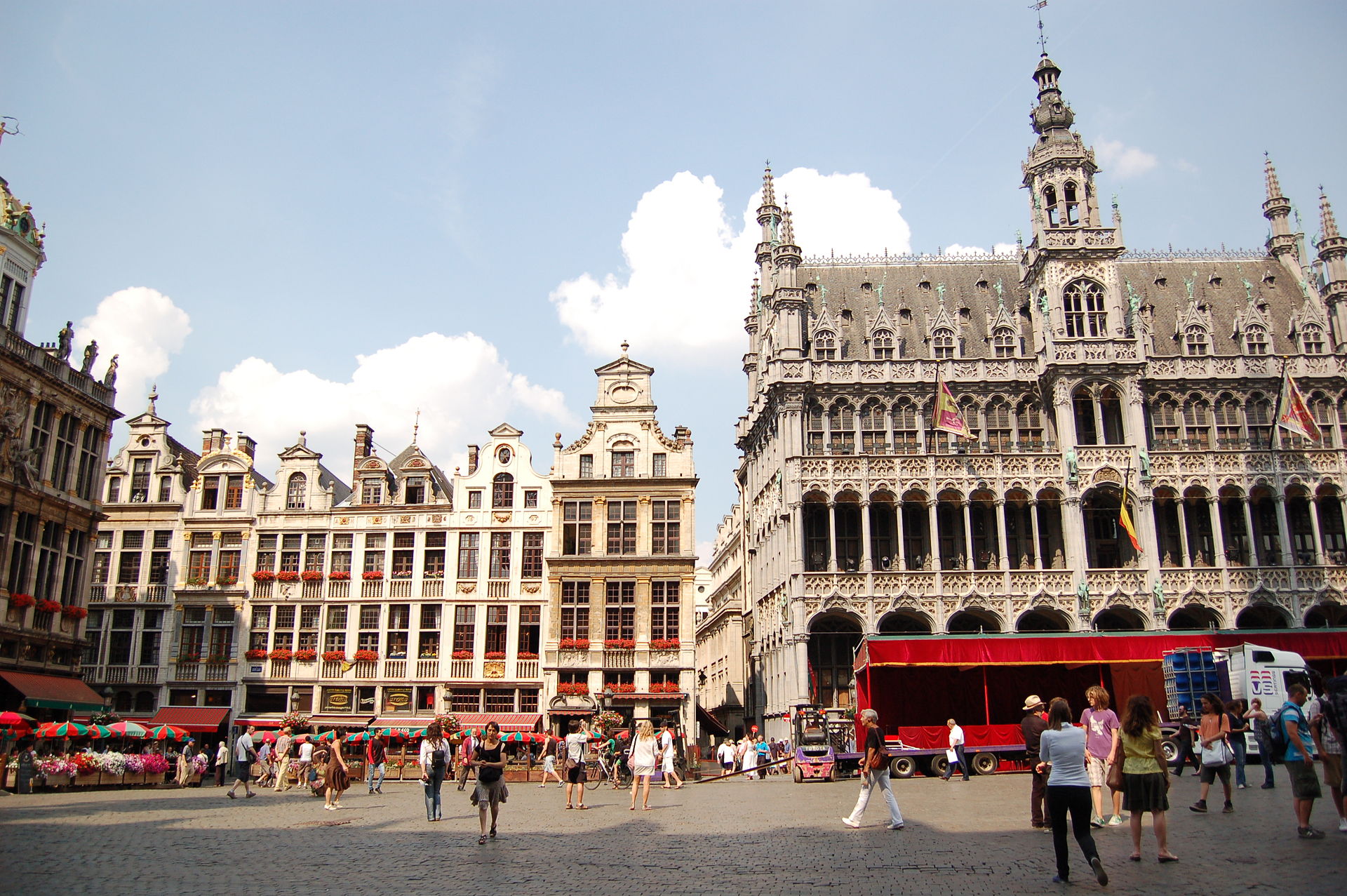
Belgium packs remarkable diversity into a compact territory: Brussels serves as the de facto capital of the European Union while preserving its Art Nouveau heritage and Grand Place splendor, Bruges remains frozen in medieval perfection with its canals and belfries, Antwerp pulses with diamond trade and fashion-forward energy alongside Rubens masterpieces, and Ghent balances university vitality with one of Europe's best-preserved medieval cores. Around 18 million international visitors arrive annually, many treating Belgium as a brief stopover between Paris and Amsterdam, yet those who invest time discover a country whose cultural depth, culinary sophistication, and artistic legacy rival any European nation.
Three official languages divide the country — Dutch in Flanders, French in Wallonia, and German in a small eastern region — with Brussels officially bilingual but predominantly French-speaking in daily life. English proficiency is high in Brussels and Bruges but less reliable elsewhere, particularly in smaller Walloon towns. A guide fluent in English transforms the experience: they can explain why Belgium's Art Nouveau movement flourished here, decode the symbolism in Van Eyck's Ghent Altarpiece, navigate the distinctions between Trappist abbey beers, and reveal how a nation without a government for 589 days continued functioning normally — a very Belgian paradox.
Where should you go in Belgium?
The Capital & Flemish Heartland
No two Belgian cities feel quite alike, despite the short train rides between them. Brussels mixes the gilded grandeur of the Grand Place with swooping Art Nouveau facades, world-class museums, and a dining scene that punches well above its size. Antwerp thrives on contrast, pairing its centuries-old diamond trade and Rubens masterpieces inside the cathedral with a cutting-edge fashion district that rivals Milan.
Medieval Flanders
Bruges preserves its medieval silhouette almost intact — Gothic spires reflected in still canals, cobblestone lanes threading past chocolate artisans at every turn. Ghent rounds out the circuit as a university city where the brooding towers of Gravensteen castle and Van Eyck's luminous Ghent Altarpiece coexist with student-fueled nightlife and waterfront terraces.
Antwerp
Diamond capital meets baroque art and avant-garde fashion on the Scheldt River
🏰Bruges
Perfectly preserved medieval city where time stopped in the 15th century
🏛️Brussels
European capital where medieval grandeur meets Art Nouveau elegance and continental politics
🎓Ghent
University town where medieval splendor meets youthful rebellion and Flemish masters
What do visitors need to know about Belgium?
Finding a Guide
- Brussels Tourism and Flemish tourist offices in Bruges and Ghent maintain vetted guide registries. Belgium requires guides at national monuments and museums to hold official credentials.
- Royal Museums of Fine Arts and Rubenshuis offer expert-led tours. For deep dives into Belgian art, beer brewing, or chocolate making, specialist guides provide context mass tourism overlooks.
- Free walking tours proliferate in Brussels and Bruges (tip-based, typically €10–15). For more intimate experiences, private guides charge €150–300 for half-day tours and provide tailored itineraries beyond the standard routes.
- Specialist tour operators support Art Nouveau architecture walks in Brussels, World War I battlefield tours in Flanders, Trappist brewery visits, and medieval art explorations with academic or professional expertise.
Typical Costs
| Tour Type | Price Range |
|---|---|
| Free walking tour (tip-based) | €0 (€10–15 tip expected) |
| Group tour | €25–60 per person |
| Private half-day guide | €150–250 |
| Private full-day guide | €300–500 |
| Specialist guide (half-day) | €200–400 |
Must-See Experiences
- Grand Place, Brussels — UNESCO-listed square surrounded by opulent guildhalls; Victor Hugo called it "the most beautiful square in the world"
- Ghent Altarpiece — Jan and Hubert van Eyck's 1432 masterpiece, the most stolen artwork in history, now in a climate-controlled chapel with augmented reality displays
- Bruges Canals — Boat tours through the "Venice of the North," passing medieval bridges, merchant houses, and the Beguinage courtyard
- Cathedral of Our Lady, Antwerp — Gothic masterpiece housing four Rubens altarpieces including The Descent from the Cross
- Belgian Beer Culture — Sample Trappist ales brewed by monks, visit the Cantillon Brewery in Brussels for spontaneous fermentation lambics, or explore the 400+ beer varieties at specialist cafés
- Art Nouveau Architecture — Brussels boasts Europe's densest concentration of Art Nouveau buildings; guided walks reveal Horta's Hotel Tassel and fantastical details often invisible at street level
Tips for Visitors
- Language navigation — In Brussels, attempt French first (locals find the assumption of Dutch presumptuous). In Flanders, Dutch is appreciated but most switch to fluent English. Wallonia prefers French
- Tipping — Service is included in restaurant bills. Round up or leave 5–10% for exceptional service. Taxi drivers don't expect tips but rounding up is courteous
- Museum planning — Many museums close Mondays. The Royal Museums of Fine Arts require 3–4 hours minimum. Book Ghent Altarpiece time slots online to avoid waits
- Transportation — Trains connect major cities in under an hour. Brussels–Bruges takes 60 minutes, Brussels–Antwerp 40 minutes. Day trips from Brussels are highly practical
- Chocolate quality — Avoid tourist-trap chocolate shops with bright displays. Look for Planète Chocolat, Pierre Marcolini, or Neuhaus for artisan quality. Real Belgian pralines use pure cocoa butter, never vegetable fats
- Restaurant reservations — Belgium has more Michelin stars per capita than France. Top restaurants book weeks ahead. Even mid-range brasseries fill up by 7 PM — reserve or arrive early
- Weather readiness — "Four seasons in one day" is a local saying for a reason. Always carry a light rain jacket. Summer averages 20°C (68°F), winter hovers around 5°C (41°F)
When is the best time to visit Belgium?
Frequently Asked Questions
What is the best time of year to visit Belgium?
May through September offers the warmest weather, with summer averaging around 20°C and long daylight hours for canal walks and outdoor cafes. Belgium's weather is famously unpredictable — "four seasons in one day" is a local saying — so pack layers year-round. December brings atmospheric Christmas markets in Brussels and Bruges.
How much does a private tour guide cost in Belgium?
Brussels, Bruges, and Ghent all offer free walking tours where a €10-15 tip is standard for a two-hour loop. Private half-day guides cost €150-250 for groups of up to six people, while full-day rates run €280-450. Specialist beer or chocolate tours typically include tastings and run €40-70 per person.
Do I need to speak the local language to travel in Belgium?
Three official languages divide the country — Dutch in Flanders, French in Wallonia, and German in a small eastern region — with Brussels officially bilingual but predominantly French-speaking in daily life.