

Overview
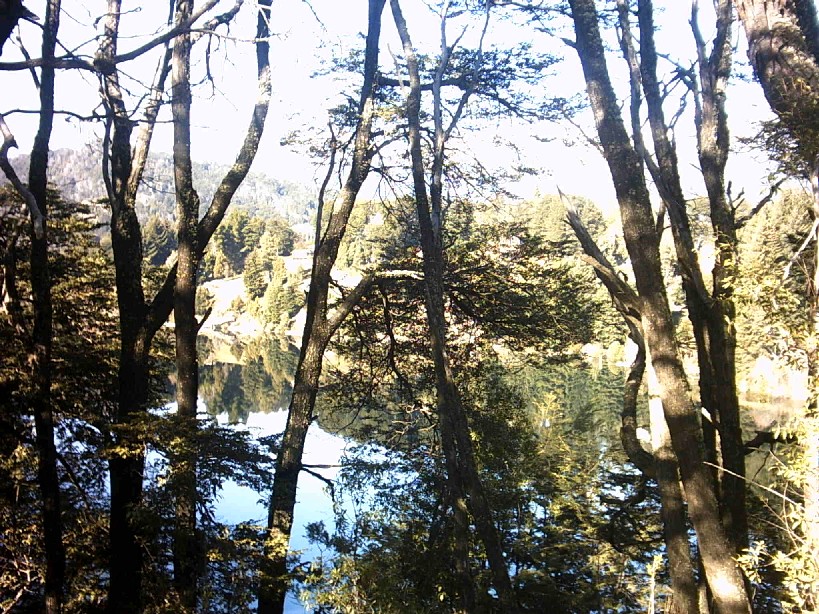
Nahuel Huapi is a glacial lake of staggering dimensions: 557 square kilometers of water reaching depths of 464 meters, framed by the snow-dusted peaks of the northern Patagonian Andes and ringed by forests of coihue, lenga, and the rare arrayán (myrtle) tree. The lake gave its name to Argentina's first national park — Parque Nacional Nahuel Huapi, established in 1934 — and remains the centerpiece of the Bariloche lake district.
Its seven arms extend into mountain valleys like the fingers of a hand, creating sheltered bays, hidden beaches, and island-dotted channels that beg to be explored by boat or kayak. The lake is so large it creates its own microclimate — morning mists that burn off by noon, sudden afternoon squalls that churn whitecaps across the surface, and glass-calm twilights when the mountains reflect perfectly in the still water. Victoria Island, near the center of the lake, hosts the famous Bosque de Arrayanes — a grove of cinnamon-barked myrtle trees that some say inspired the enchanted forest in Walt Disney's Bambi. The Cruce Andino, a multi-day boat-and-bus crossing from Bariloche to Puerto Varas in Chile, is one of the most celebrated lake journeys in the world. A guide opens up hiking trails to hidden waterfalls, identifies native wildlife (pudú deer, huemul, and Andean condors), and navigates the park's permit system for backcountry camping. The lake's shoreline forms the backbone of the Circuito Chico, the region's most popular scenic drive.
Trails
Lake crossing to Chile: The Cruce Andino takes you across three lakes and through Andean passes on a journey that rivals the Norwegian fjords for sheer drama. Bosque de Arrayanes: A boat ride to the Quetrihué Peninsula reveals a rare grove of cinnamon-barked myrtle trees — smooth orange trunks rising from an emerald-green forest floor. Kayaking Brazo Tristeza: Paddle into one of the lake's remote arms, surrounded by old-growth forest and absolute silence except for birdsong and lapping water. Refugio Frey trek: A full-day hike to a mountain refugio overlooking a glacial tarn framed by granite spires — one of the finest day hikes in Patagonia. The trail covers 10 km each way with 800 meters of elevation gain.
Wildlife
The park shelters the endangered huemul (South Andean deer), Argentina's national animal, which survives in small populations in the most remote valleys. Pudú — the world's smallest deer at just 40 cm tall — hide in dense forest understory near the lakeshore. Overhead, Magellanic woodpeckers hammer on lenga trunks while Andean condors soar above the ridgelines with wingspans exceeding 3 meters. In the lake itself, introduced trout and salmon attract sport fishermen, while native puyen fish cling on in quieter tributaries. Spring wildflower meadows above the treeline attract hummingbirds, and patient observers along the Frey trail may spot the rare huillín (southern river otter). A naturalist guide can identify dozens of species most visitors never notice.
When to Visit
Park access: Daily 8 AM - 6 PM (hours vary by season and entry point). Lake excursions: Boat tours and ferries operate from October through April; reduced winter service. Best: December through March for warm weather, long daylight, and calm lake conditions for kayaking. Avoid: Mid-July can be spectacular for snow scenery but lake excursions and many trails close. Duration: Half day for a boat excursion; full day for combined hiking and lake activities.
Admission and Costs
National park entry: AR$8,000-15,000 ($8-15) for foreigners. Victoria Island + Arrayanes Forest boat tour: AR$40,000-60,000 ($40-60). Kayak excursion: AR$30,000-50,000 ($30-50) half day with guide. Cruce Andino (Bariloche to Chile): AR$200,000-400,000 ($200-400) for the 2-day crossing. Guided trekking (Refugio Frey, López, etc.): AR$50,000-90,000 ($50-90) per day.
Tips for Visitors
Layer up: Lake temperatures hover around 10-14°C even in summer. Wind on the water drops the perceived temperature further — bring windproof and waterproof layers for any boat excursion. Book the Cruce Andino early: The popular lake crossing sells out weeks ahead in January and February. Reserve through the Turisur or Cruce Andino operators well in advance. Refugio system: Mountain refugios (huts) along hiking trails offer meals and bunk beds — no reservation needed, but popular routes (Frey, Jakob, López) fill up in peak season. Water clarity: The lake water is so clear and cold that it's safe to drink directly in remote areas — but stick to treated water near populated shores. Pair with Circuito Chico: The scenic loop follows the lakeshore and makes an excellent half-day complement to any lake activity.