

Overview
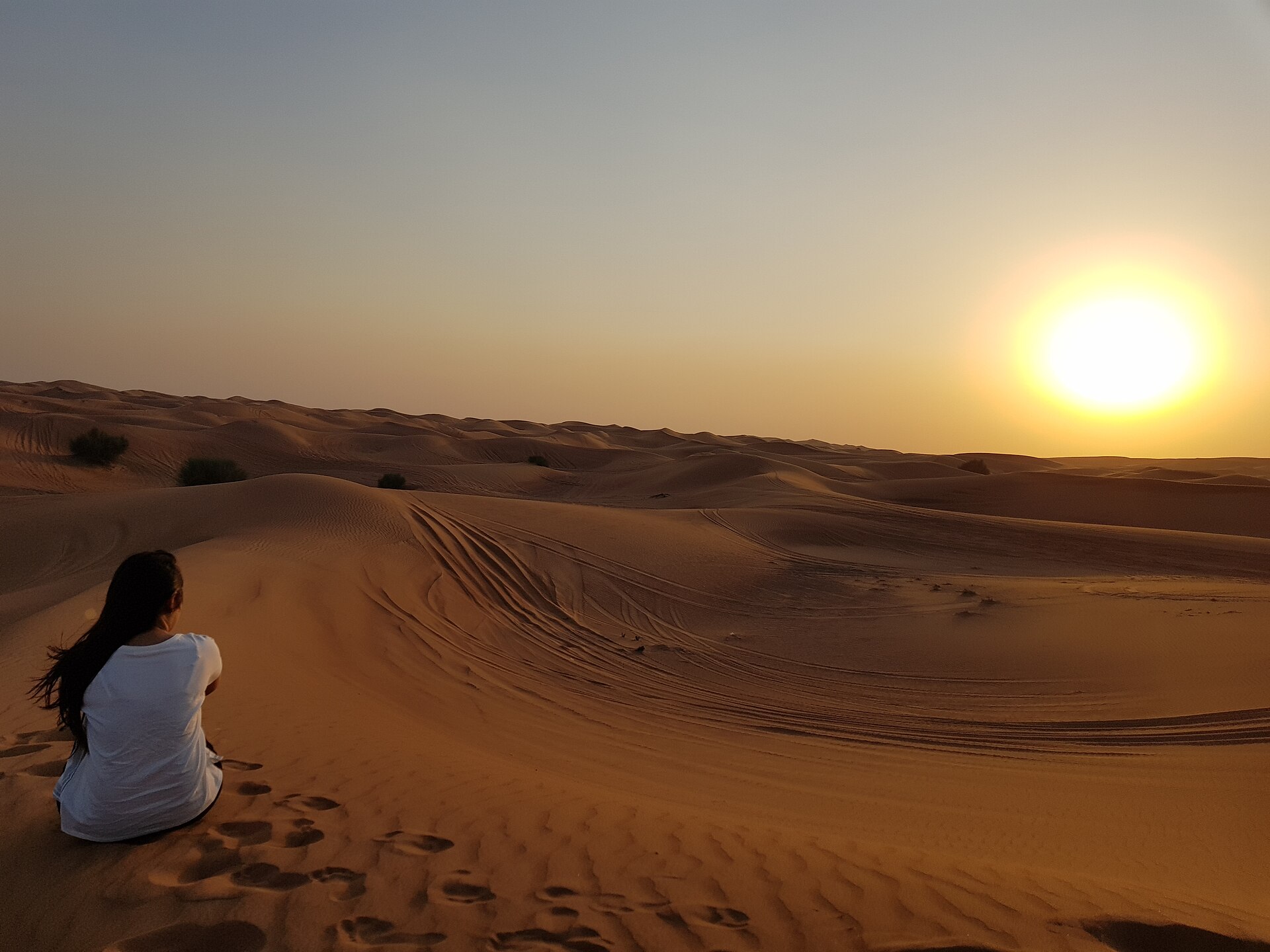
Dubai desert safaris offer authentic Arabian desert experiences just 30-45 minutes from downtown Dubai. Professional drivers take visitors dune bashing across red sand dunes in 4x4 vehicles, followed by traditional Bedouin camp experiences including camel rides, sandboarding, henna painting, falconry displays, belly dancing shows, and barbecue dinner under the stars.
The Dubai Desert Conservation Reserve, covering 225 km², protects the fragile desert ecosystem while offering sustainable tourism. Arabian oryx, gazelles, and desert foxes roam freely within the reserve. For a contrast with the city's modern marvels, visitors can combine a safari with a visit to the Burj Khalifa or browse the Gold Souk the following morning.
Wildlife
The Dubai Desert Conservation Reserve is home to reintroduced Arabian oryx, once extinct in the wild, alongside sand gazelles and Gordon's wildcats. Desert foxes, hedgehogs, and monitor lizards inhabit the dune ecosystem, most active at dawn and dusk.
Birdlife includes migratory species passing through in winter months, with raptors and houbara bustards occasionally spotted. The reserve's protected status has allowed native ghaf trees and desert grasses to regenerate, stabilising dune systems. Morning safaris offer the best wildlife viewing, as animals retreat to shade once temperatures climb. Guides can point out animal tracks, burrows, and feeding signs that most visitors would miss in the vast landscape.
Trails
Dune bashing is the signature activity -- a thrilling 20-30 minute 4x4 ride over steep red sand dunes, with skilled drivers performing controlled slides and climbs. Camel rides follow traditional routes around the camp area, offering a slower-paced perspective on the landscape.
Sandboarding lets visitors surf down dune faces on purpose-built boards, similar to snowboarding but on fine sand. The golden hour before sunset creates spectacular photography conditions across the open dunes. At camp, falconry displays showcase the traditional Bedouin hunting practice with trained birds of prey. The evening concludes with a tanoura dance performance, shisha smoking, and a barbecue dinner of Arabic mezze, grilled meats, and traditional sweets under the desert stars.
When to Visit
Evening safaris are the most popular format: hotel pickup at 3:00 PM, return by 9:00 PM. Morning safaris depart at 6:00 AM and return by 10:00 AM, offering cooler temperatures and better photography light. Overnight safaris include an evening pickup with a sunrise return the next morning.
The best season runs from October to April, when daytime temperatures hover between 20-30°C. Avoid May through September, when heat regularly exceeds 45°C and outdoor activities become dangerous. A typical safari lasts about 6 hours including transport, activities, and dinner.
Admission and Costs
Standard evening safaris cost AED 250-350 (~$68-95) per person, including hotel transfers, dune bashing, camp activities, and a barbecue dinner. Premium safaris with smaller groups and higher-quality dining run AED 400-600 (~$109-163).
Private safaris with a dedicated vehicle for up to 6 people cost AED 2,000-4,000 (~$545-1,089). Overnight desert camps with sunrise experiences range from AED 500-900 (~$136-245) per person. Luxury packages with gourmet dining and private tents start at AED 1,500+.
Tips for Visitors
Motion sickness is common during dune bashing -- take medication beforehand if prone, and request a front seat for a smoother ride. Wear light, loose clothing with closed shoes, sunglasses, and sunscreen. Bring a light jacket or layers, as the desert cools 10-15°C after sunset.
Book only with DTCM-certified operators and check reviews carefully to distinguish authentic Bedouin experiences from tourist traps. Bring extra memory cards and protect camera equipment from fine sand. Carry a water bottle, as the desert is dehydrating even in cooler months. Dune bashing is not recommended during pregnancy or for those with back issues -- ask operators about gentler alternatives.