
Country guide
What makes Turkey a must-visit destination?
Turkey welcomes over 52.6 million international tourists annually, ranking as the world's 5th most visited country. Straddling Europe and Asia, Turkey offers an incredible fusion of ancient civilizations, Byzantine and Ottoman heritage, stunning natural wonders, and vibrant modern culture.
From Istanbul's iconic mosques and palaces to Cappadocia's fairy chimneys and hot air balloons, Ephesus' remarkably preserved Roman ruins to Mediterranean beaches, Turkey delivers unforgettable experiences. With 21 UNESCO World Heritage Sites and 8,000+ years of history, a knowledgeable guide brings the stories behind the stones to life.
- Language
- Turkish Widely spoken across Turkey
- Currency
- Turkish lira (₺) Legal tender across Turkey
- Time zone
- UTC+3 Local time in Turkey
- Power plugs
- Types C, F · 230V Sockets used across Turkey
- Getting around
- Domestic flights & intercity buses Getting between Turkey's cities
- Best months
- Apr, May, Jun, Jul, Aug, Sep, Oct Averaged across Turkey's city ratings
Turkey timeline
- c. 6500 BCE
Catalhoyuk thrives
The Neolithic settlement gives Anatolia one of the worlds deep urban-history layers.
-
Constantinople dedicated
The new Roman capital turned the Bosphorus into one of the great crossroads of world history.
-
Seljuk victory at Manzikert
The battle opened the Turkish-Anatolian chapter behind many central Anatolian sites.
-
Ottoman conquest
The conquest transformed churches, palaces, markets, and city walls into the Ottoman capital landscape.
-
Republic founded
The modern republic changed how visitors read imperial monuments and civic identity across Turkey.
-
Istanbul areas listed
UNESCO recognition linked the city's Roman, Byzantine, and Ottoman monuments.
Local context
Culture and travel signals
21 UNESCO World Heritage Sites spanning 10,000 years of civilization
Turkey's heritage roster stretches from Gobekli Tepe — the world's oldest known temple complex, predating agriculture itself — to the Ottoman splendor of Istanbul's historic peninsula
52.6 million international tourists in 2023
Turkey ranked as the world's 5th most visited country, with Antalya alone receiving over 16 million foreign arrivals, more than many entire nations
Up to 150 hot air balloons launch over Cappadocia each morning at sunrise
The Goreme valley's stable dawn thermals and otherworldly fairy-chimney landscape have made Cappadocia the most popular balloon-flight destination on Earth, operating roughly 250 days per year
Istanbul's Grand Bazaar covers 30,700 square meters with over 4,000 shops
Operating continuously since 1461, the Grand Bazaar is one of the world's oldest and largest covered markets, drawing between 250,000 and 400,000 visitors daily during peak season
Source: tour-guide.com — Free to cite with attribution
Season planner
A year in Turkey
Use this best time to visit snapshot as a country-wide average, then check the city guides for local timing.
Mar-May
Spring
Spring holds up well for guided travel in Turkey, averaging Mar-May (4/5).
Jun-Aug
Summer
Summer holds up well for guided travel in Turkey, averaging Jun-Aug (4.3/5).
Sep-Nov
Autumn
Autumn holds up well for guided travel in Turkey, averaging Sep-Nov (4/5).
Dec-Feb
Winter
Winter is Turkey's quietest stretch at Dec-Feb (2.3/5) — plan narrower, local days.
Where should you go in Turkey?
The Bosphorus & Beyond
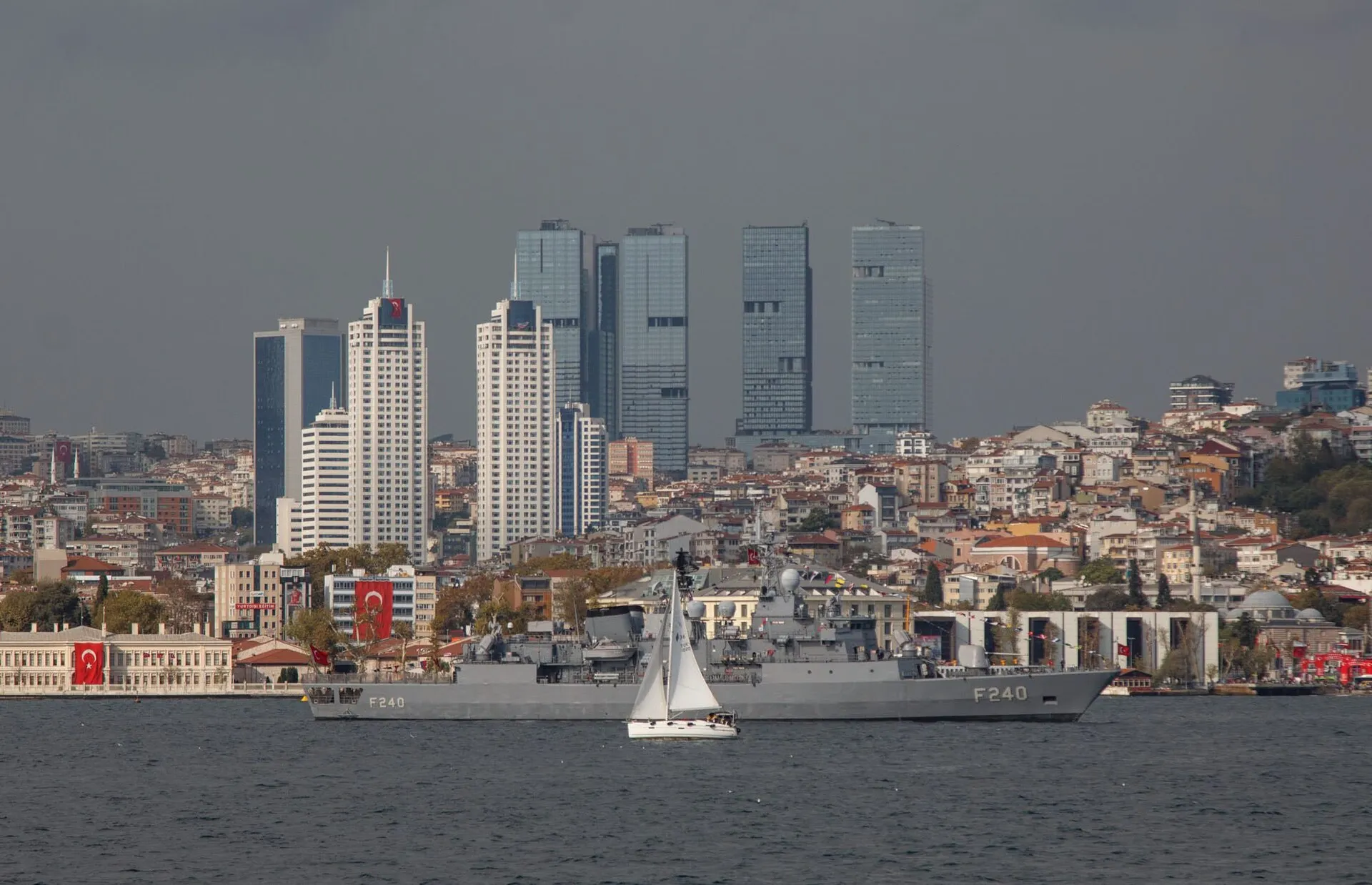
Istanbul straddles the Bosphorus with imperial confidence, its skyline punctuated by the vast dome of Hagia Sophia, the six minarets of the Blue Mosque, and the walled courtyards of Topkapi Palace where Ottoman sultans once ruled half the known world.
Cappadocia & The Interior
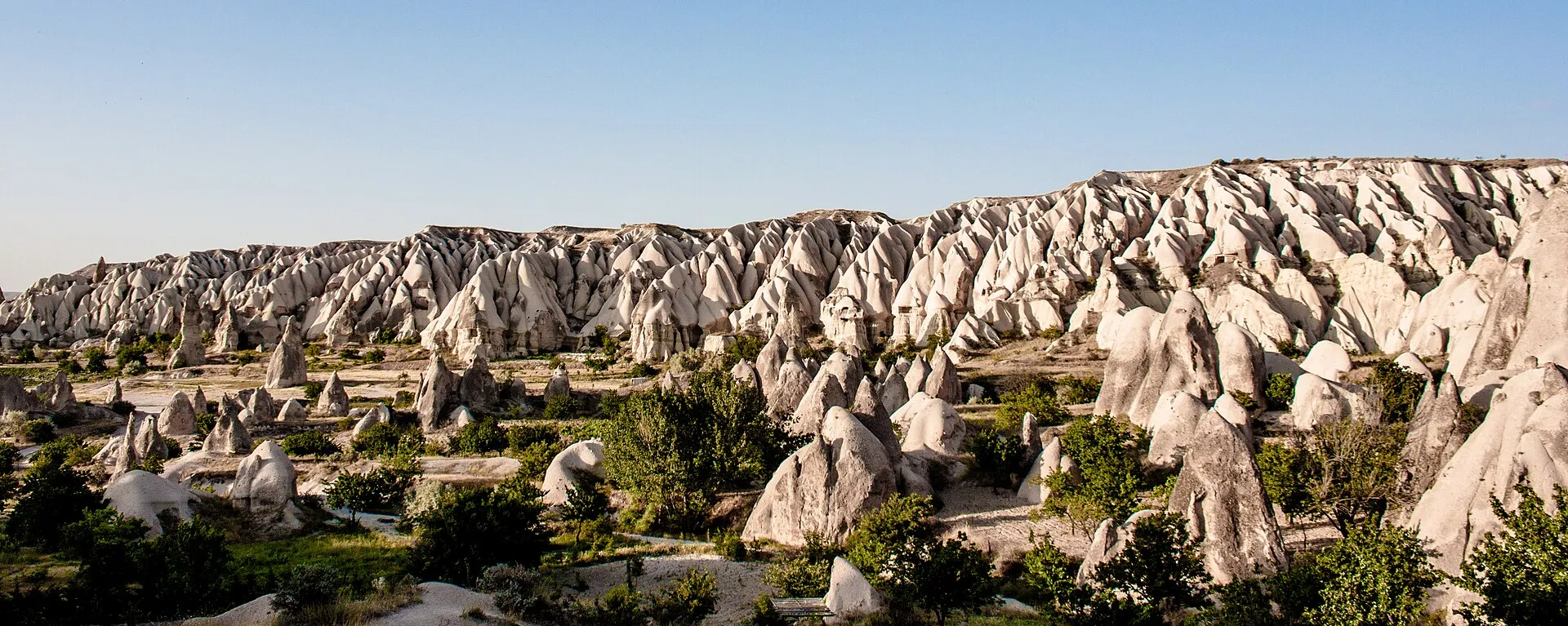
Inland, Cappadocia feels like another planet entirely — hundreds of hot-air balloons drift over fairy-chimney rock formations at sunrise, while below the surface, entire underground cities and Byzantine rock churches carved into the tufa await exploration.
The Aegean & Mediterranean Coasts
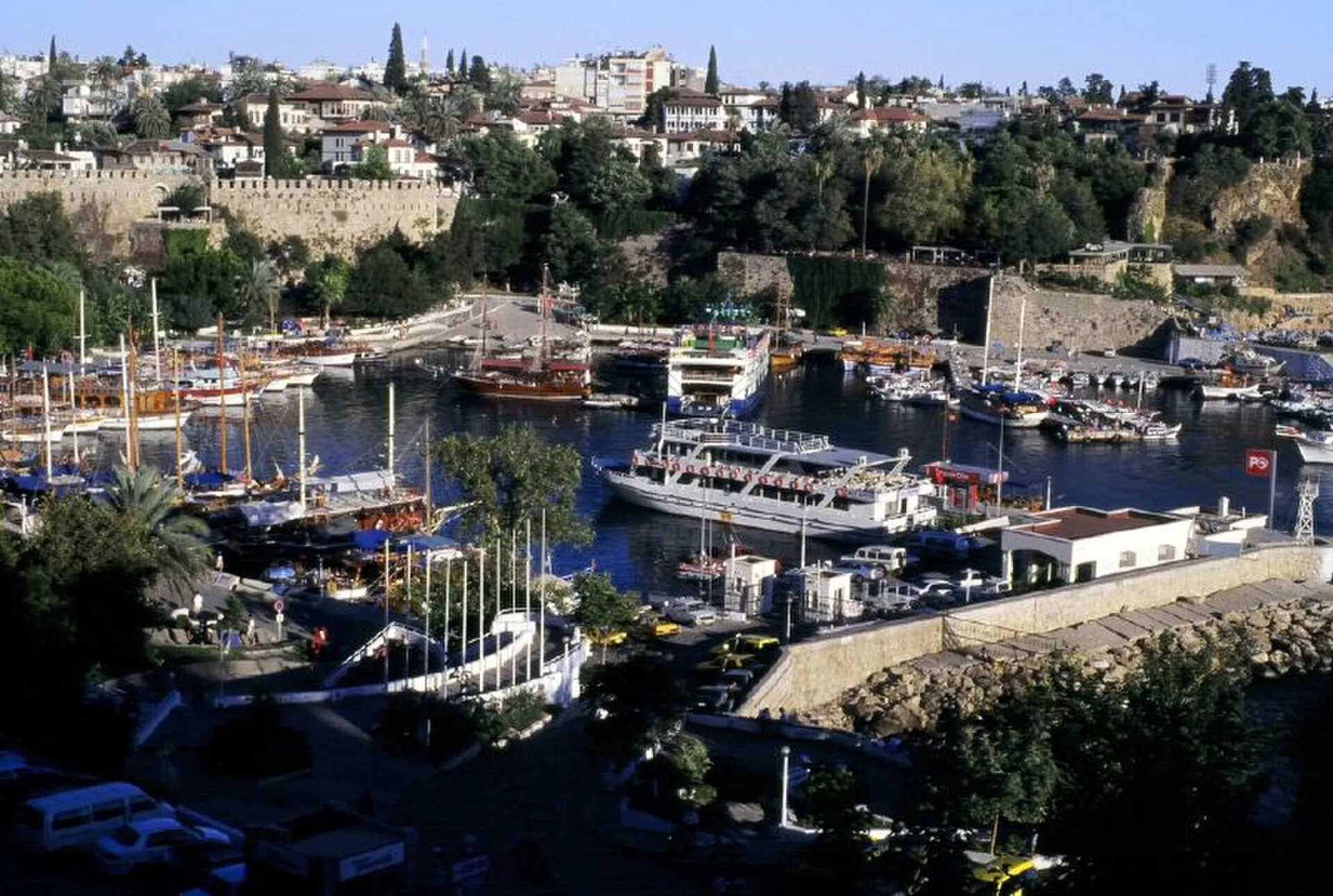
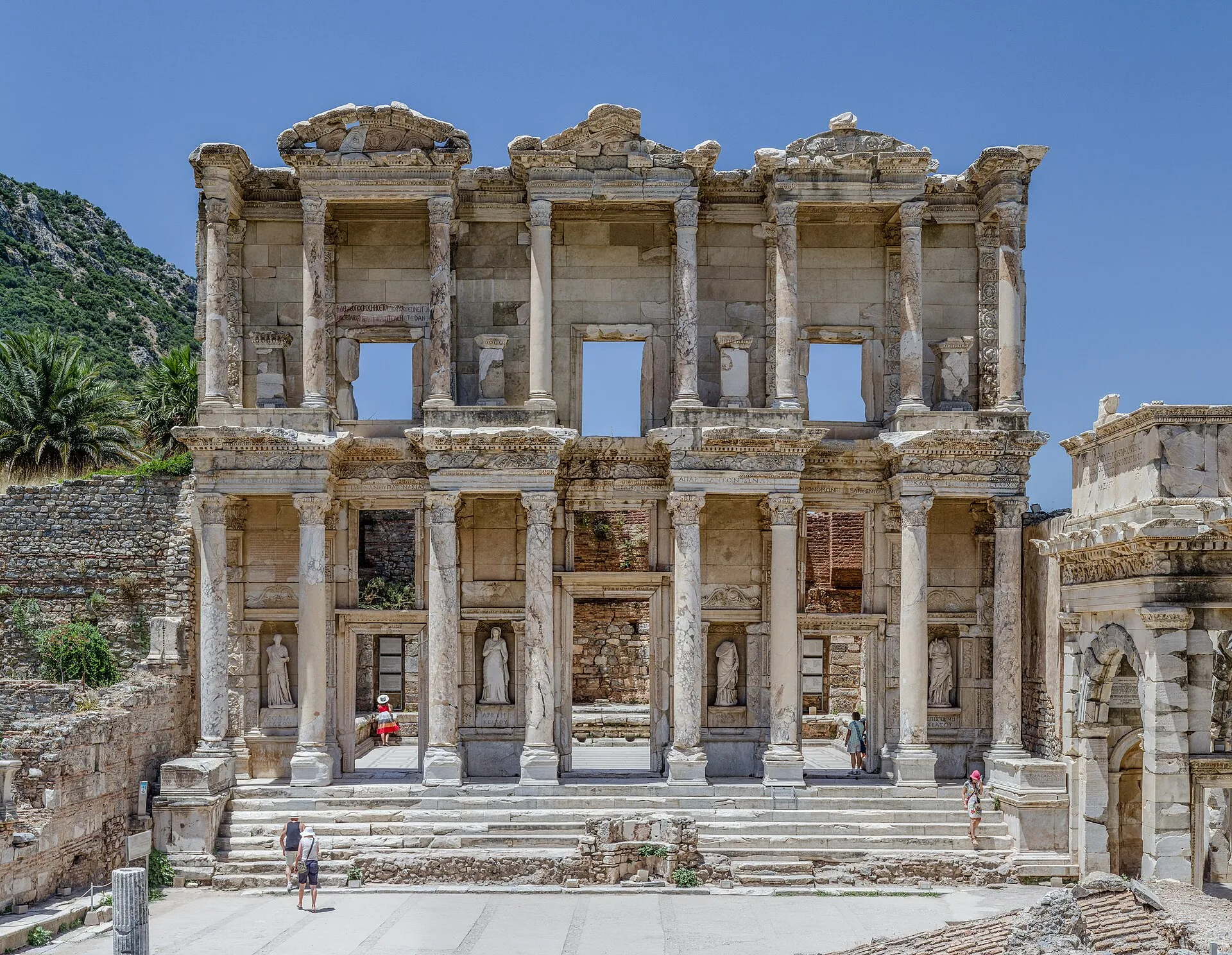
The marble streets of ancient Ephesus lead past the reconstructed facade of the Library of Celsus to the Great Theatre, where twenty-five thousand spectators once gathered above the Aegean plain. On the Mediterranean coast, Antalya wraps its Kaleici Old Town in Roman walls just steps from the thundering Duden Waterfalls and the triumphal arch of Hadrian's Gate, offering a base where antiquity and seaside relaxation overlap.
Must-see attractions across Turkey
Skip straight to the landmarks that define Turkey, spread across the cities below. A local guide turns any of them into a richer half-day.
What do visitors need to know about Turkey?
Finding a Guide
- Ministry of Culture licensed guides (Turist Rehberi) — undergo rigorous training; look for official certification badge ensuring expertise in archaeology, history, and languages
- GetYourGuide, Viator, Civitatis, and ToursByLocals — connect you with verified Turkish guides; reviews help identify specialists in Byzantine history, Ottoman culture, or archaeology
- Quality hotels in Istanbul, Cappadocia, and coastal areas maintain relationships with excellent guides, especially for multi-day tours and specialized experiences like cooking classes
- TUREB (Turkish Tourist Guides Association) and regional chambers maintain directories of licensed professional guides across all major destinations
Typical Costs
| Tour Type | Price Range |
|---|---|
| Group walking tour (2–3 hrs) | ₺400–800 (€13–25) per person |
| Private half-day (up to 6) | ₺4,000–8,000 (€125–250) |
| Private full-day (up to 6) | ₺8,000–16,000 (€250–500) |
| Specialist guides (archaeology, Byzantine history) | ₺10,000–20,000 (€300–600) per day |
Must-See Experiences
- Hagia Sophia — 1,500-year journey from Byzantine basilica to mosque; guides decode mosaics and architecture
- Blue Mosque — Sultan Ahmed's masterpiece with 20,000+ Iznik tiles
- Cappadocia hot air balloons — sunrise flights over fairy chimneys are bucket-list worthy
- Ephesus — walk marble streets where Cleopatra and St. Paul once walked
- Topkapi Palace — Ottoman sultans' opulent residence with harem and treasury
- Goreme Open-Air Museum — Byzantine rock-cut churches with stunning frescoes
- Bosphorus cruise — sail between continents with guide explaining waterfront palaces
Tips for Visitors
- Best months — April–May and September–October for ideal weather and fewer crowds
- Licensed guides required — major archaeological sites like Ephesus mandate official guides
- Language — English widely spoken by guides in tourist areas, German and Russian also common
- Tipping — 10–15% for private guides, ₺100–200 (€3–6) for group tours
- Prayer times — mosques close to tourists during prayer; guides plan around this
- Dress modestly — mosques require head covering for women, shoes off for all
- Skip-the-line value — summer queues at Hagia Sophia and Topkapi can exceed 2 hours
- Cash culture — many small vendors and guides prefer Turkish Lira over cards
Frequently Asked Questions
What is the best time of year to visit Turkey?
Istanbul rewards visitors year-round thanks to its mild maritime climate and rich indoor attractions like Hagia Sophia and the Grand Bazaar, though spring tulip season in April is especially scenic. April through November is generally ideal, with Cappadocia's famous hot-air balloon flights running most reliably during this period, and crisp autumn mornings in April to May and September to October producing the clearest skies. The Mediterranean and Aegean coasts around Antalya and Bodrum are ideal for beach holidays from May through September, but July and August bring intense heat that can make archaeological sites like Ephesus uncomfortable.
How much does a private tour guide cost in Turkey?
Group walking tours: ₺400–800 (€13–25) per person (2–3 hours). Private half-day tours: ₺4,000–8,000 (€125–250) (up to 6 people). Private full-day: ₺8,000–16,000 (€250–500). Specialist guides for Byzantine history or Ottoman archaeology: ₺10,000–20,000 (€300–600) per day.
Do I need to speak the local language to travel in Turkey?
Turkish is the national language. English is widely spoken by guides in Istanbul, Cappadocia, and coastal resorts, while German and Russian are also common due to large tourist populations from those countries. Outside major tourist areas, a Turkish-speaking guide becomes essential for navigating bazaar haggling, reading Ottoman inscriptions, and ordering from menus that rarely have English translations.