
Major City
🇪🇸 Tour Guides in Málaga
Three millennia of Phoenician, Roman, and Moorish heritage meet a thriving art scene and sun-drenched Mediterranean
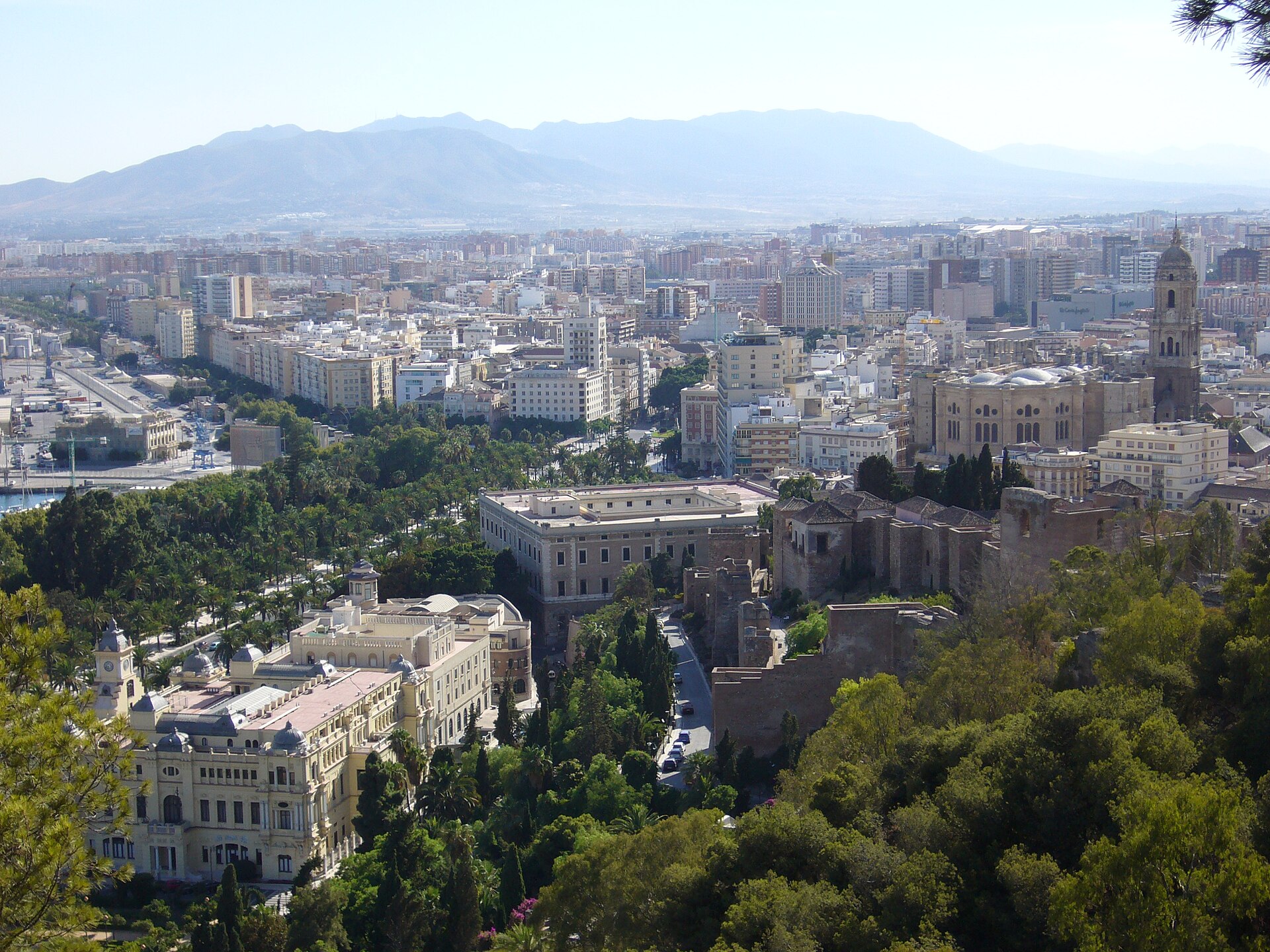

What makes Málaga a top destination?
Málaga is far more than a gateway to the Costa del Sol's famous beaches. Founded by Phoenician traders around 770 BC, this port city on Andalusia's southern coast carries over 3,000 years of continuous history layered across its steep hillsides and narrow streets. Phoenicians, Romans, Visigoths, and Moors each left their mark before the Catholic Monarchs reclaimed the city in 1487, and those civilizational layers remain visible everywhere, from the hilltop Gibralfaro castle to the Roman theatre nestled at the foot of the Alcazaba. In recent decades, Málaga has reinvented itself as one of Spain's most dynamic cultural destinations. The city now boasts more than 30 museums, including the celebrated Picasso Museum housed in a 16th-century Renaissance palace, a Centre Pompidou outpost in a striking glass cube on the waterfront, and a branch of the State Russian Museum. Street art murals enliven formerly neglected neighborhoods like the Soho arts district, and the revamped port promenade has transformed the seafront into a palm-lined gathering place. Meanwhile, local traditions endure: fishermen still grill espetos de sardinas over driftwood fires on Pedregalejo beach, and families crowd the Atarazanas Market each morning for fresh produce and fried fish.
What should you see in Málaga?
- Picasso Museum courtyard and collection — Born at Plaza de la Merced in 1881, Picasso's connection to Málaga runs deep; the museum tells his story through 285 donated family works
- Alcazaba and Gibralfaro — Walk the double-walled path connecting the 11th-century palace to the 14th-century hilltop castle for the finest panorama in the city
- Cathedral rooftop tour — Guided climbs to the roof terraces reveal why La Manquita's missing tower became the city's most beloved imperfection
- Roman Theatre — Discovered in 1951 beneath buildings that were demolished to reveal a 1st-century BC amphitheatre at the Alcazaba's feet
- Centre Pompidou Málaga — The only Pompidou branch outside France, housed in a rainbow-cube structure on the Muelle Uno waterfront promenade
- Soho street art district — International muralists have transformed entire building facades in the neighborhood between the river and the port
- Pedregalejo beach espetos — Sardines skewered on cane sticks and grilled over olive-wood fires at chiringuitos along the eastern shoreline
🏰 Alcazaba of Málaga
Spain's finest Moorish fortress-palace | 11th-century walls, Nasrid gardens & Roman ruins below
⛪ Málaga Cathedral
La Manquita — the one-armed cathedral | Renaissance grandeur, rooftop views & 40 chapels
🖼️ Picasso Museum Málaga
285 masterworks in Picasso's hometown | Guided tours through a Renaissance palace
What does a tour guide cost in Málaga?
Málaga's rich layers of history and its recent cultural renaissance mean that local expertise makes an enormous difference in what you experience:
When should you visit Málaga?
- March-May: Mild temperatures in the low 20s°C, Semana Santa processions wind through the historic center, and the beaches are uncrowded
- September-October: Sea temperatures still warm enough for swimming, summer crowds thin out, and the Feria de Málaga in late August spills into September energy
- November-February: Málaga averages 300 sunny days per year, so even winter brings pleasant daytime weather around 17°C, ideal for museums and walking tours
- Avoid: Mid-July to mid-August if you dislike intense heat (35°C+) and packed beaches, though evenings stay lively with outdoor terraces
What is the best way to get around Málaga?
- Combine beach and culture — Mornings are best for museums and the Alcazaba climb before the heat builds; spend afternoons at Malagueta or Pedregalejo beach and return to the old town for evening tapas
- Visit Atarazanas Market — The 19th-century iron-and-glass market hall near the river is where locals shop for fresh seafood, olives, and Málaga raisins - arrive before noon for the best selection
- Try espetos de sardinas — Málaga's signature dish is sardines grilled on bamboo skewers over driftwood on the beach; Pedregalejo and El Palo have the most authentic chiringuitos
- Sample Málaga wine — The region's sweet Moscatel and Pedro Ximénez wines date back to Phoenician-era viticulture; Antigua Casa de Guardia, open since 1840, serves them from old barrels
- Walk the Muelle Uno promenade — The renovated port area stretches from the lighthouse to the Centre Pompidou, passing palm gardens, restaurants, and the Alborania sea museum
- Tipping customs — €5-10 per person for private guides is appreciated; for group walking tours, €3-5 is standard if you enjoyed the experience
Frequently Asked Questions
What is the best time to visit Málaga?
March-May: Mild temperatures in the low 20s°C, Semana Santa processions wind through the historic center, and the beaches are uncrowded.
How much does a tour guide cost in Málaga?
Málaga's rich layers of history and its recent cultural renaissance mean that local expertise makes an enormous difference in what you experience:
How do you get around Málaga?
Combine beach and culture: Mornings are best for museums and the Alcazaba climb before the heat builds; spend afternoons at Malagueta or Pedregalejo beach and return to the old town for evening.