

Overview
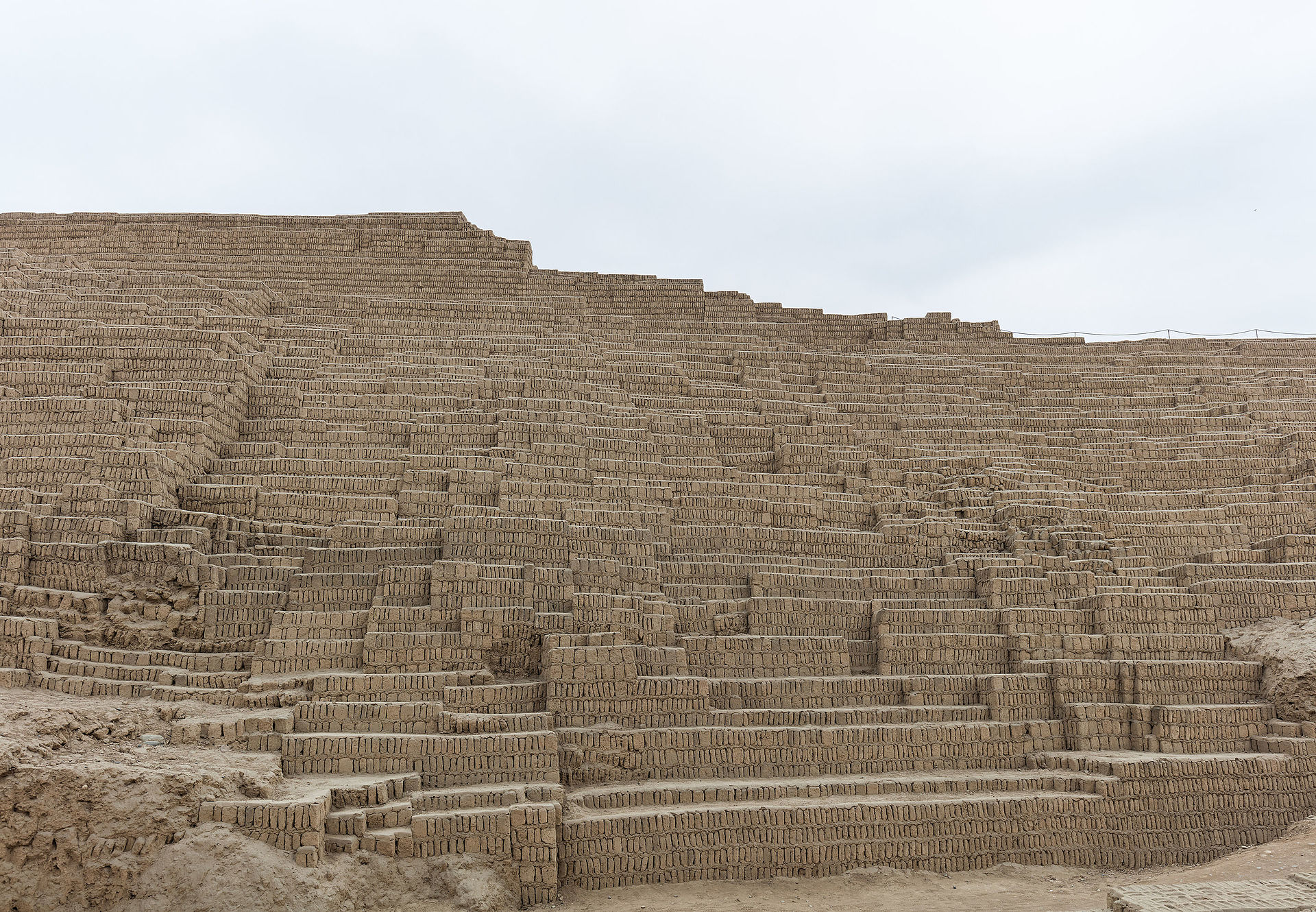
Rising seven stories above the restaurants and apartment blocks of Miraflores, Huaca Pucllana is one of Lima's most surreal sights: a massive stepped pyramid of handmade adobe bricks built by the Lima culture around 400 AD, centuries before the Inca existed, sitting in the middle of one of the city's most modern neighborhoods. The site was an important ceremonial and administrative centre, and ongoing excavations continue to uncover human offerings, fine ceramics, and shark remains — evidence of elaborate rituals and trade networks that connected the coastal desert to distant regions. What makes Huaca Pucllana unique among Peru's archaeological sites is its accessibility: it is surrounded by the city rather than isolated in the countryside, and its evening illumination turns the adobe terraces into a golden monument against the night sky. Guided tours (required — you cannot explore independently) walk you through the excavation zones, a small on-site museum, and reconstructed garden areas where the Lima culture grew crops using an irrigation system fed by the Rímac River. The adjacent restaurant, which serves refined Peruvian cuisine with the lit pyramid as a backdrop, has become one of Lima's most iconic dining experiences. For a deeper dive into pre-Columbian Peru, combine this visit with the Larco Museum.
Excavation History
Night illumination: The pyramid glows amber against the Miraflores skyline — the evening tour is worth rearranging your itinerary for. "Book-laid" adobe technique: The Lima culture placed bricks vertically like books on a shelf, with gaps between them to absorb seismic shock — an ingenious earthquake-resistant construction method dating to 400 AD. Ritual offerings: Excavations have uncovered shark teeth, ceramic vessels, and human sacrificial remains — guides explain the cosmological significance. Pyramid-side dining: The adjacent restaurant serves dishes like anticuchos and ceviche with the illuminated ruins as your backdrop — one of South America's most dramatic dinner settings. Reconstructed gardens: The tour passes through a recreation of the irrigation-fed plots where the Lima people cultivated corn, squash, and beans. On-site museum: Small but focused collection of ceramics, textiles, and ritual objects excavated from the pyramid complex.
When to Visit
Wednesday - Monday: 9 AM - 10 PM (closed Tuesdays). Last daytime tour: 4:30 PM; last evening tour: 10 PM. Best: Evening tours (from 7 PM) when the pyramid is dramatically lit — by far the most atmospheric experience. Duration: 45-60 minutes for the guided circuit.
Admission and Costs
General admission: S/15 ($4) adults, S/7.50 students — includes mandatory guided tour. Private English-speaking guide: S/60-120 ($16-32) for a more in-depth tour. Restaurant dinner: Main courses S/50-90 ($14-24) — reserve a terrace table for the pyramid view. Combined with Larco Museum: S/200-350 ($54-95) with private guide and transport.
Tips for Visitors
Book the evening tour: The atmosphere is incomparably better after dark — budget your day so Huaca Pucllana falls at 7-8 PM. Reserve the restaurant: The terrace tables with pyramid views fill up fast, especially on weekends — book at least a day ahead. Tours are mandatory: You cannot explore the site independently — tours leave regularly and last about 45 minutes. Combine with the Miraflores Boardwalk: Walk the coastal path for sunset, then head inland to Huaca Pucllana for the evening illumination. Wear comfortable shoes: The tour circuit crosses uneven archaeological terrain — sandals are not ideal. Closed Tuesdays: Plan around the weekly closure if your Lima time is limited.