
Best Time to Visit Melbourne: A Season-by-Season Guide
Melbourne runs on reversed southern-hemisphere seasons and famously unpredictable weather. Here is how to pick the right months for the trip you want.
Read the full guideUpdated · 11 min read
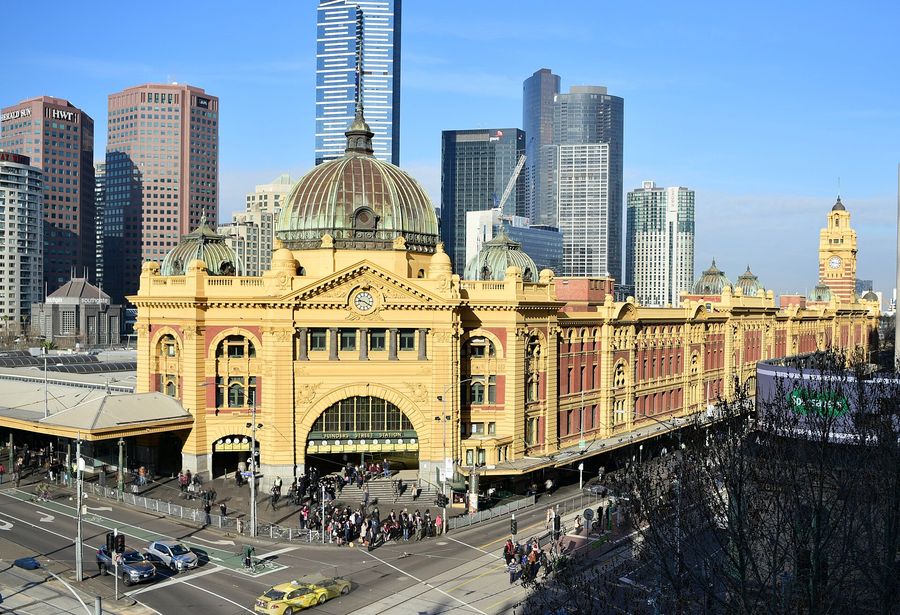
The best time to visit Melbourne is autumn, March to May: the most settled weather of the year, mild 14–22°C days, the least rain, and lighter crowds than the January peak. Winter (June–August) is cheapest and rich in sport and culture; summer brings long evenings, big events and the highest prices.
The first thing to unlearn about Melbourne is the calendar you arrived with. The seasons here are flipped — January is high summer, July is the depth of winter — and the city wears its weather lightly, swinging through what locals only half-jokingly call "four seasons in one day." A morning that starts crisp and clear can turn hot enough for the beach by noon and then drop twenty degrees in the space of an hour when a southerly buster sweeps up off Port Phillip Bay. More than the month you choose, it is this volatility you have to plan around. Everything that follows assumes you will pack a layer you think you won't need, and wear it anyway.
If you are still deciding where Melbourne fits in a wider trip, the Australia overview sets out how the continent's regions peak at different times, and the Melbourne city guide covers the laneways, trams, and neighbourhoods in detail.
What is the short version of when to visit Melbourne?
Remember the seasons are flipped, then match the month to your aim. Autumn's settled weather asks the fewest compromises; summer trades peak prices for long evenings and festival energy; winter is cheapest, with sport and culture kept indoors; and spring pairs blossom with the racing carnival. The bullets below lay out each window.
- Most settled weather, fewest compromises: March to May (autumn)
- Long evenings, festival energy, highest prices: December to February (summer)
- Best value, sport and culture indoors: June to August (winter)
- Spring colour and the racing carnival: September to November
Why is autumn (March to May) the local's choice in Melbourne?
Ask Melburnians and most say autumn without hesitation. The fierce summer heat and January humidity have gone, and the city settles into mild, stable 14–22°C days with the lowest rainfall of the year. The plane trees turn gold, walking tours are at their most pleasant, and hotels sit below their summer peak.
Ask Melburnians when to visit and most will say autumn without hesitation. The fierce summer heat has broken, the humidity that occasionally grips January has gone, and the city settles into a long stretch of mild, stable days in the 14–22°C range with the lowest rainfall of the year. The plane trees that line the boulevards turn gold, and the Royal Botanic Gardens are at their most photogenic, with the Fern Gully and the lake reflecting the changing canopy.
This is the season that rewards walking, which is how Melbourne is best understood. The laneway street-art circuits around Hosier Lane and the network of arcades between Flinders Lane and Collins Street are comfortable in autumn light, and the free, tip-based walking tours that leave from Federation Square run at their most pleasant. It is also the easiest time to combine the city with a day trip — the Great Ocean Road and the Yarra Valley wineries are both at their best before the winter rains set in.
Autumn is shoulder season for pricing, too: hotels sit below their summer peak, and you avoid the accommodation crush that the Australian Open creates in January. If you can only come once and have no fixed reason to choose another month, come in autumn.
Is winter (June to August) a good time to visit Melbourne?
Yes, if you treat the city as warm interiors between short walks. Winter is genuinely the cheapest season, with highs of 10–14°C and the lowest flight and hotel prices outside major events. It is football season at the MCG, and the galleries, ACMI, and Queen Victoria Market's Winter Night Market come into their own.
Winter Melbourne is cold by Australian standards — daytime highs of 10–14°C, grey skies, and a damp chill that the locals counter with coffee and football. It is genuinely the cheapest time to visit, with flights and hotels at their lowest outside major events, and it suits a particular kind of traveller: one who treats a city as a series of warm interiors strung between short walks.
It is also the heart of the football season. The Melbourne Cricket Ground — the MCG, never anything else — hosts Australian Rules football from autumn through to the September grand final, and attending a match in a 90,000-strong crowd is one of the great civic experiences the city offers. Guided MCG tours run year-round (around A$28–32 / US$20 per adult) and are an unhurried pleasure in the off-peak months. Indoor draws come into their own: the National Gallery of Victoria, the ACMI cinema museum at Federation Square, and the deli halls and food stalls of the Queen Victoria Market, which runs its atmospheric Winter Night Market on Wednesday evenings with fire pits, hot food, and live music.
The trade-off is daylight and warmth. You will not be lingering in beer gardens, and short days mean tighter sightseeing windows. But for museums, markets, sport, and the city's legendary café culture, winter is far better than its reputation — and your budget will notice.
What is spring (September to November) like in Melbourne?
Spring is Melbourne waking up, and it brings two of the year's biggest moments: the AFL Grand Final at the MCG on the last Saturday of September, and the Melbourne Cup on the first Tuesday of November. The gardens bloom and days lengthen, though the weather stays firmly four-seasons-in-one-day and Cup-week prices spike sharply.
Spring is Melbourne waking up, and it brings two of the year's biggest moments. The AFL Grand Final, held at the MCG on the last Saturday of September, brings the entire state to a standstill; even without a ticket, the public-holiday Friday parade and the pubs across the city are an event in themselves. Then comes the spring racing carnival, culminating in the Melbourne Cup on the first Tuesday of November — a public holiday in metropolitan Melbourne that turns the CBD into a street party of fascinators and champagne.
The weather in spring is improving but still firmly four-seasons-in-one-day; October and November can deliver a warm, brilliant afternoon and a cold, wet one in the same week. The gardens are in bloom, the days are lengthening, and prices sit between the winter low and the summer peak — though they spike sharply around Cup week, so book accommodation well ahead if you are travelling in early November.
What is summer (December to February) like in Melbourne?
Summer is hot, bright and busy. Daytime highs usually sit in the high 20s but can spike past 40°C before a southerly change drops them within hours. Evenings stretch long and warm, St Kilda comes alive, and the Australian Open in late January pushes prices and demand to their annual high.
Summer is hot, bright, and busy. Daytime temperatures usually sit in the high 20s but can spike past 40°C before a southerly change drops them dramatically within hours — the single most important reason to never trust a Melbourne morning. Evenings stretch long and warm, outdoor dining spills across the laneways, and the bayside suburb of St Kilda comes alive.
The headline event is the Australian Open in late January, the year's first tennis Grand Slam, which draws over 800,000 visitors to Melbourne Park and pushes hotel prices and demand to their annual high. It is electric if tennis is your reason for coming, and a logistical headache if it is not — the city is at its most crowded and expensive. December adds the build-up to Christmas and the Boxing Day Test at the MCG, a cricket institution that fills the ground for days. If you come in summer, book early, plan around the heat by doing outdoor sightseeing in the morning and evening, and keep the afternoons for air-conditioned galleries and markets.
How do you read Melbourne's weather?
Melbourne's unpredictability is a practical fact you must dress for, not a cliché. The bay's position sends warm inland air colliding with cold southern fronts, producing fast, dramatic changes year-round. Three habits help: layer in every season, check the forecast each morning but expect it to be wrong by afternoon, and embrace light rain.
Melbourne's unpredictability is not a cliché the city invented to seem characterful — it is a practical fact you must dress for. The bay's position and the meeting of warm inland air with cold southern fronts produce fast, dramatic changes year-round. Three habits serve every visitor:
- Layer in every season. A light waterproof shell and a warm mid-layer earn their place in the bag even in January.
- Check the forecast each morning, but plan for it to be wrong by the afternoon.
- Embrace light rain. The laneways and street-art murals look their richest under cloud, and the crowds thin noticeably when the weather turns.
Should you book a guide in Melbourne?
Melbourne suits independent exploration, since the free tram zone covers the whole CBD grid, but a local guide adds real value in three areas: laneway and street-art walks, Indigenous-owned Aboriginal cultural tours of the Birrarung, and match-day MCG tours. Book a few days ahead in autumn and spring, well ahead during the Open and Cup week.
Melbourne suits independent exploration — the free tram zone covers the entire CBD grid, so much of the city costs nothing to reach — but a local guide adds real value in three areas. Laneway and street-art walks turn a confusing tangle of service lanes into a legible story of the city's culture; a private guide typically charges A$200–350 (US$135–235) for a two-hour tour for up to six people, while the daily tip-based walking tours from Federation Square cost only what you choose to give. Aboriginal cultural walking tours, run by Indigenous-owned operators, offer a perspective on the Birrarung (Yarra River) and the land beneath the city that no guidebook matches, usually for A$65–120 (US$45–80) per person. And on match days, a guided MCG tour is the most reliable way to understand why sport here is closer to religion.
Book laneway and cultural tours a few days ahead in autumn and spring, and well in advance during the Australian Open and Cup week, when demand for everything peaks.
How much does Melbourne cost by season?
Prices shift meaningfully across the year. Winter is lowest, with three-star hotels often A$120–180 a night and the widest availability; the autumn and spring shoulders are moderate, rising around the AFL Grand Final and Melbourne Cup; and summer, especially the late-January Australian Open, is highest, when hotels can double and sell out months ahead.
Prices shift meaningfully across the year. As a rough guide for a mid-range trip:
- Winter (Jun–Aug): lowest. Three-star hotels often A$120–180 (US$80–120) per night; widest availability.
- Autumn and spring shoulders: moderate, rising around the AFL Grand Final and Melbourne Cup.
- Summer, especially Australian Open (late Jan): highest. Hotels can double, and rooms near Melbourne Park sell out months ahead.
Across all seasons, the free tram zone, the tip-based walking tours, and the free-entry Royal Botanic Gardens mean Melbourne can be explored richly on a modest budget — the season mainly changes what you pay to sleep, not what you pay to see.
What is the verdict on the best time to visit Melbourne?
For the best all-round trip, with settled weather, fair prices and the city walking at its most comfortable, come in autumn, March to May. Winter is quietly excellent for value and café-and-sport culture. Reserve summer for a specific reason, the Australian Open, long evenings or bayside heat, and pack for everything whichever you choose.
For the best all-round trip — settled weather, fair prices, the city walking at its most comfortable — come in autumn, March to May. For value and an authentic taste of Melbourne's sporting and café culture, winter is quietly excellent. Come in summer only with a reason: the Australian Open, the long evenings, or the bayside heat, and with the budget and forward planning those demand. Whatever you choose, pack for all of it — in Melbourne, the forecast is only ever a suggestion.
Frequently Asked Questions
What is the best time of year to visit Melbourne?
Autumn, from March to May, is the sweet spot — the most settled weather of the year, temperatures around 14–22°C, the least rain, and lighter crowds than the January summer peak.
Is Melbourne's "four seasons in one day" reputation real?
Yes. A cool morning can turn hot by lunch and then drop 15–20°C within an hour when a southerly change blows through. Layered clothing is sensible in every season, even summer.
When is Melbourne cheapest to visit?
Winter, from June to August, has the lowest flight and hotel prices outside major events. Avoid the Australian Open in late January and the spring racing carnival in early November if you want value.
What is the best month for events in Melbourne?
It depends on your interest — January for the Australian Open tennis, September for the AFL Grand Final, and the first Tuesday of November for the Melbourne Cup, which is a public holiday across the metropolitan area.