
Best Time to Visit Madrid: Month-by-Month Guide for Travelers
Madrid's continental climate means sweltering summers and crisp winters — this month-by-month guide tells you exactly when to visit for culture.
Read the full guideUpdated · 9 min read
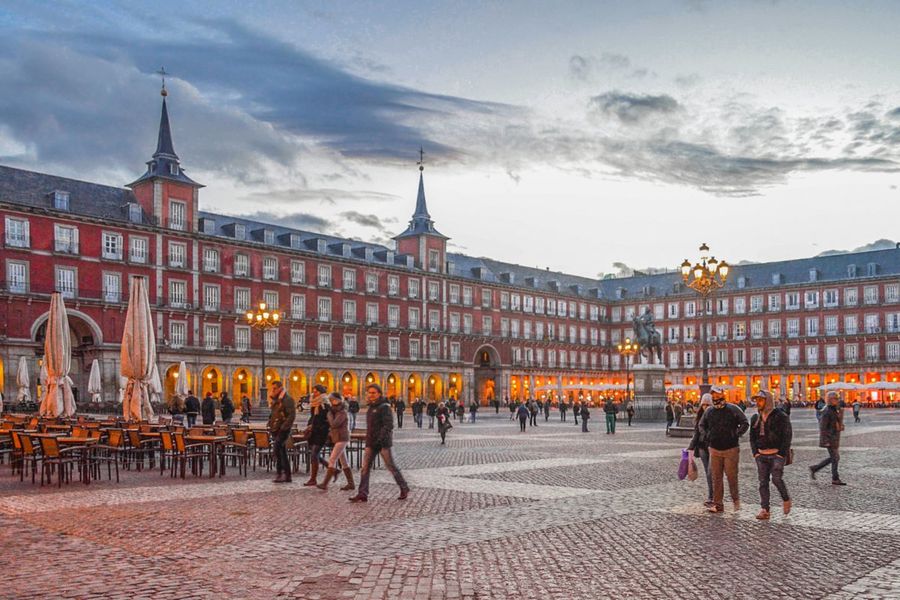
The best time to visit Madrid is spring (April–May) and autumn (September–October), when warm days, cool evenings and the full cultural calendar make sightseeing comfortable. Late September to mid-October is arguably the finest stretch. Avoid July and August, when afternoons regularly top 38°C; January and February are cold, quiet and cheapest.
Madrid sits on the Castilian plateau at 650 metres above sea level — high enough that it experiences genuine extremes. Summer afternoons regularly exceed 38°C; winter nights can dip below freezing. Understanding this rhythm is the single most useful piece of planning information for a first visit to the Spanish capital.
What is the short answer for the best time to visit Madrid?
If you can only pick once, aim for late September to mid-October: warm enough for café terraces, cool enough for long museum days, and buzzing with local energy after the summer exodus. When budget rules over weather, cold and quiet January and February deliver Madrid's lowest prices and emptiest galleries.
Spring (April–May) and autumn (September–October) offer the best combination of comfortable temperatures, reasonable hotel prices, and the city's full cultural programme running. If you can only pick one: late September to mid-October is arguably Madrid's finest time — warm enough for café terraces, cool enough for long museum days, and populated with local energy after the summer exodus.
Avoid July and August unless you are specifically coming for outdoor festivals or are very comfortable in extreme heat. February and January are quiet, cold, and inexpensive — worth considering if budget is the priority.
What is Madrid like month by month?
Madrid's continental climate swings from near-freezing January mornings to 40°C August afternoons, and its calendar swings with it: Carnival in February, San Isidro in May, Pride in late June, and Christmas lights from late November. The month-by-month rundown below pairs each period's temperature, crowd levels and cost so you can plan precisely.
January
Temperature: 3–10°C | Crowds: Low | Cost: Low
The city is quiet after the Christmas and New Year festivities, which in Madrid extend through Three Kings Day (Reyes Magos, January 6) with a spectacular parade on January 5. Museum queues virtually disappear; the Prado and Reina Sofía can be experienced without the summer pressure. Hotel rates hit annual lows.
Weather is cold by Spanish standards but temperate by northern European ones — rarely below freezing during the day. The city's enclosed tapas bars and heated terraces keep the social scene alive regardless.
February
Temperature: 4–12°C | Crowds: Low | Cost: Low
Madrid's Carnival (Carnaval) typically falls in February, with costume parades in the Lavapiés and La Latina neighbourhoods. The city is not the most famous Carnival destination in Spain (that title belongs to Cádiz and Santa Cruz de Tenerife) but the local celebrations are genuinely festive. Otherwise, February is the quietest month and the best for anyone prioritising museum immersion on a tight budget.
March
Temperature: 7–16°C | Crowds: Medium | Cost: Medium
Spring begins its tentative arrival in March. The botanical gardens (Real Jardín Botánico, adjacent to the Prado) start to revive. Easter (Semana Santa) falls in March or April depending on the year; Madrid's Holy Week processions are serious and beautiful but draw substantial crowds and push hotel prices up significantly. Worth checking dates before booking.
April
Temperature: 9–19°C | Crowds: Medium–High (if Easter falls here) | Cost: Medium
April is one of the most pleasant months. The city's café terraces reopen in earnest; the parks and boulevards come alive. The Madrid Book Fair in the Retiro Park (sometimes starting in late April, running into May) is one of Europe's largest outdoor book events.
If Easter falls in April rather than March, the week of Semana Santa sees maximum hotel prices and crowds in the historical centre; if you're not specifically there for the processions, consider adjusting your dates.
May
Temperature: 13–23°C | Crowds: High | Cost: Medium–High
Madrid's patron saint festival, San Isidro (around May 15), brings the city's biggest popular celebration — open-air concerts, the traditional chotis dance, and crowds filling the meadows by the Manzanares River. The bullfighting season opens with the prestigious Las Ventas feria (a month-long cycle of corridas) in May. Hotel prices rise but the city at its spring best justifies them.
The Feria del Libro (Book Fair) in Retiro Park typically runs from late May through early June.
June
Temperature: 18–29°C | Crowds: High | Cost: High
Temperature climbs fast in June; by the last week, afternoon heat can exceed 32°C. The school year ends and Madrid fills with domestic tourism. The city's Pride Festival (Orgullo Madrid) in late June is one of the largest LGBTQ+ celebrations in Europe, drawing over a million participants and transforming the Chueca neighbourhood for a week. Accommodation near the parade route books out months in advance.
Summer evening culture picks up: outdoor cinema, rooftop bars, and late-night concerts run through June and July.
July
Temperature: 22–34°C | Crowds: Medium | Cost: Medium
Here is an unexpected reality of summer in Madrid: many local residents leave in July and August, and the city actually has a certain peaceful quality that peak-season tourist destinations in coastal Spain do not. The heat is intense (often 36–40°C by early August), but siesta culture means the hours between 2 and 6 p.m. are legitimately not suitable for sightseeing — embrace this, rest, and explore in the evenings when the terraces come alive and the temperature becomes manageable.
Major museums run longer summer hours, and summer booking discounts sometimes apply mid-week. The Veranos de la Villa festival brings free and ticketed outdoor events across the city through July and August.
August
Temperature: 22–35°C | Crowds: Low–Medium | Cost: Low–Medium
Madrid in August is often described as a ghost town — this is an exaggeration, but the reduction in local residents (who flee to the coast and mountains) creates a quieter, sometimes eerily calm atmosphere. Restaurant service can be reduced; some independent shops close entirely. For travellers who dislike crowds and can handle heat, this is genuinely one of the cheaper and less pressured times to visit.
The Assumption public holiday on August 15 brings a day of closures.
September
Temperature: 17–28°C | Crowds: Medium–High | Cost: Medium–High
September is the return-from-summer month — locals flood back, the cultural season resumes, and the city regains its full energy. Temperatures are warm but no longer brutal; September evenings in Madrid can be perfect. The Fiesta de la Paloma in La Latina neighbourhood in August bleeds into early September with continuing street celebrations.
Madrid's La Noche en Blanco (White Night, a city-wide arts event with free late-night museum access) typically falls in September — check the city calendar as the exact date shifts annually.
October
Temperature: 11–21°C | Crowds: Medium | Cost: Medium
Many visitors' favourite month. Cool enough for walking long distances without discomfort, warm enough for outdoor dining; the Retiro Park's trees begin their autumn colour shift. Madrid's theatre and concert season is in full swing. Hotel rates remain relatively moderate compared to spring highs.
November
Temperature: 6–14°C | Crowds: Low | Cost: Low
November is quiet and underrated. Rain becomes more frequent but rarely turns to persistent grey (Madrid averages only 450mm of annual rainfall — far less than most European capitals). The Día de los Muertos (Day of the Dead) around November 1–2 is observed with cemetery visits rather than commercial fanfare, but the city's increasing Latin American community has imported livelier celebrations. Hotel prices continue to fall.
December
Temperature: 3–10°C | Crowds: Medium (Christmas period: High) | Cost: Low, then Very High
Early December is affordable and quiet. The Christmas illuminations on the Gran Vía are switched on in late November and run through early January — Madrid's commercial streets become genuinely spectacular at night. The Puerta del Sol countdown on New Year's Eve (eating twelve grapes with the twelve chimes of midnight is the Spanish tradition) draws enormous crowds; hotels for December 31 reach their annual price peak.
What are the quick recommendations for visiting Madrid?
Choose by goal. For comfortable sightseeing weather, come April–May or September–October; for the lowest prices, January, February or November; for the great festivals, May's San Isidro, June's Pride or September's cultural return. To dodge crowds, target January, February or August; for Christmas sparkle, late November and December. The table below sums it up.
| Goal | Best Time |
|---|---|
| Comfortable weather for sightseeing | April–May, September–October |
| Budget travel | January, February, November |
| Local festivals | May (San Isidro), June (Pride), September |
| Avoiding crowds | January–February, August |
| Christmas atmosphere | Late November, December |
| Art museums without queues | January–February, November |
How should you handle Madrid's summer heat?
If your visit falls in July or August, live like a local. The major museums open at 10 a.m., so arrive early, spend the searing noon-to-five hours resting or indoors, and save outdoor exploration for after 6 p.m. when the heat breaks and the terraces come alive. It is entirely sustainable.
If your visit falls in July or August, structure your day accordingly: major museums (Prado, Reina Sofía, Thyssen-Bornemisza) open at 10 a.m. — arrive early, spend the hottest hours (noon to 5 p.m.) inside or resting, and save outdoor exploration for after 6 p.m. when the heat breaks. This rhythm is how Madrid residents live in summer and it is entirely sustainable for visitors who adjust expectations.
However you time your visit, Madrid rewards unhurried exploration. Barcelona draws more international visitors but Madrid rewards those who take time with it — the art alone (three world-class galleries within a twenty-minute walk of each other) justifies a trip regardless of season.
Frequently Asked Questions
When is the best time to visit Madrid?
Spring in April and May and autumn in September and October are ideal, with warm days, cool evenings and far more comfortable sightseeing than the searing summer.
How hot does Madrid get in summer?
July and August routinely exceed 35 degrees Celsius and can top 40, with many locals leaving the city in August. Midday sightseeing becomes uncomfortable, so plan early mornings and evenings.
Is Madrid worth visiting in winter?
Yes. Winters are crisp and dry with cold nights, smaller crowds at the Prado and other museums, and lower prices, though you should pack warm layers for near-freezing mornings.
Does Madrid empty out in August?
Many smaller shops and family-run restaurants close for part of August as residents take holidays, though the major museums and tourist sites stay open.