
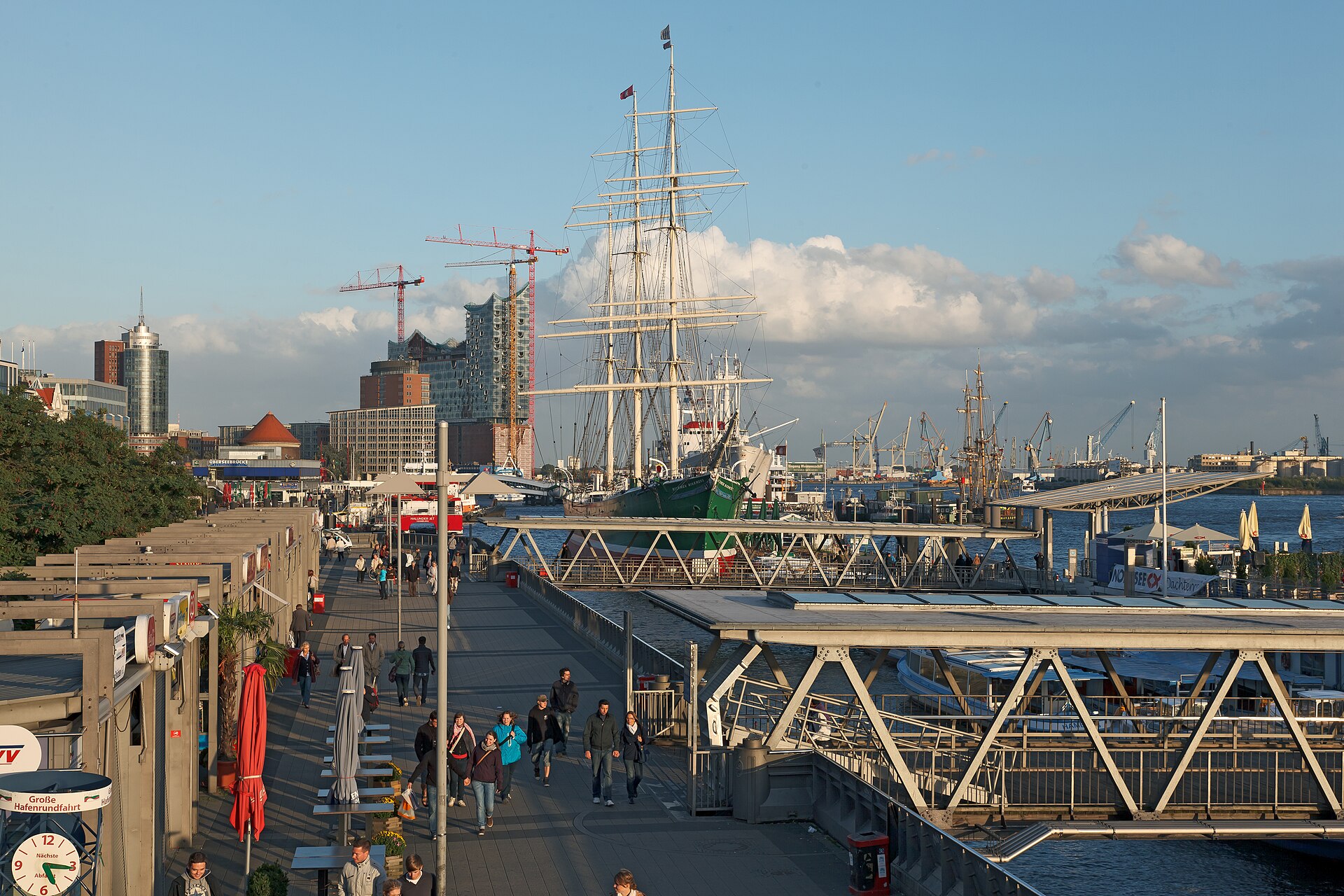

Overview
The Port of Hamburg, Europe's third-busiest port (after Rotterdam and Antwerp), handles 130+ million tons of cargo annually across 100+ square kilometers. Founded in 1189, "Germany's Gateway to the World" features massive container terminals, historic Speicherstadt warehouses, and modern HafenCity development. Harbor boat tours (Hafenrundfahrten) offer the best way to see working cargo operations, gigantic container ships, historic piers, and understand Hamburg's 800-year maritime heritage from the water.
Observation Points
Container terminals: Watch massive cranes loading ships with robotic precision from the water. Speicherstadt: UNESCO World Heritage warehouse district (1885-1927) visible from harbor tours. Landungsbrücken: Historic floating piers, departure point for most harbor tours. Elbphilharmonie from water: Stunning concert hall view from harbor. Köhlbrand Bridge: 325 meters cable-stayed bridge over Elbe River.
Engineering Facts
The port handles 130+ million tons of cargo annually across 100+ square kilometers, making it Europe's third-busiest after Rotterdam and Antwerp. Automated container terminals use robotic straddle carriers guided by GPS. The Speicherstadt warehouse district, built 1885-1927, is the world's largest warehouse complex built on timber-pile foundations. Modern HafenCity development is transforming former industrial harbor into mixed-use urban district, Europe's largest inner-city development project.
When to Visit
Harbor tours: Departures every 30-60 minutes, 10 AM-6 PM (longer hours summer). Tour duration: 1-2 hours depending on route. Best time: Weekday midday to see active cargo operations. Sunset tours: Evening departures beautiful but less port activity visible. Hafengeburtstag: Early May
- world's largest port festival with tall ships, fireworks
Admission and Costs
Standard harbor tour: €20-28 per person for 1-hour cruise. Extended tour (2 hours): €30-35 including more container terminals. Evening/dinner cruises: €45-70 with meal included. Private boat charter: €400-800 for groups up to 20 people. Public ferry #62: €3.50 (uses regular transport ticket, DIY harbor viewing). Combine with Elbphilharmonie and Miniatur Wunderland in Hamburg.
Tips for Visitors
Public ferry #62: Uses regular transport ticket (€3.50) for a DIY harbor tour from Landungsbrücken to Finkenwerder. Dress warmly: Wind on the water makes it cold even in summer. Hafengeburtstag: Early May port festival with tall ships, fireworks - book tours early. Compare operators: Barkassen-Meyer and Abicht are established tour companies. English commentary: Not all tours offer English - check when booking. Combined tours: Package harbor cruise with Speicherstadt walking tour for best value.