

What makes Germany a must-visit destination?
Germany welcomes over 39 million international visitors annually to explore its rich tapestry of medieval towns, world-class museums, historic castles, and vibrant modern cities. From Berlin's powerful history and cultural renaissance to Munich's beer gardens and Alpine charm, Hamburg's maritime heritage to the romantic Rhine Valley, Germany offers depth and diversity for every traveler.
With 51 UNESCO World Heritage Sites, renowned Christmas markets, cutting-edge design, legendary automotive engineering, and a complex 20th-century history, knowledgeable guides provide essential context to truly understand this fascinating nation.
Where should you go in Germany?
The Capital
Berlin anchors the country with its layered past — the Brandenburg Gate standing as a symbol of reunification, fragments of the Berlin Wall preserved as open-air memorials, and Museum Island gathering five world-class collections on a single stretch of the Spree.
Bavaria & the South
Further south, Munich pulses with Bavarian warmth through its legendary beer halls and the annual spectacle of Oktoberfest, all set against a backdrop of Alpine peaks visible on clear days.
The North
Hamburg, Germany's gateway to the sea, pairs the red-brick warehouses of Speicherstadt with the soaring glass curves of the Elbphilharmonie, a concert hall that has redefined the city's maritime skyline. A local guide in any of these cities connects the grand landmarks to the quieter corners where everyday German life unfolds.
What do visitors need to know about Germany?
Finding a Guide
- City tourism offices — Each city has a comprehensive tourism office offering licensed guide services. Look for guides with IHK certification
- GetYourGuide, Viator, and free walking tour companies (tips-based) are popular and reliable options
- Hotels can arrange specialized tours including WWII history, architecture, or beer and food experiences
- Bundesverband der Gastefuhrer maintains a directory of certified professional guides nationwide
Typical Costs
| Tour Type | Price Range |
|---|---|
| Free walking tour (tips-based, 2–3 hrs) | €10–15 typical tip |
| Group tour (2–3 hrs) | €20–35 per person |
| Private half-day (up to 6) | €150–280 |
| Private full-day (up to 6) | €300–550 |
| Specialist guide (WWII, architecture, beer) | €350–600 per day |
Must-See Experiences
- Brandenburg Gate & Berlin Wall — Essential Cold War history with expert context
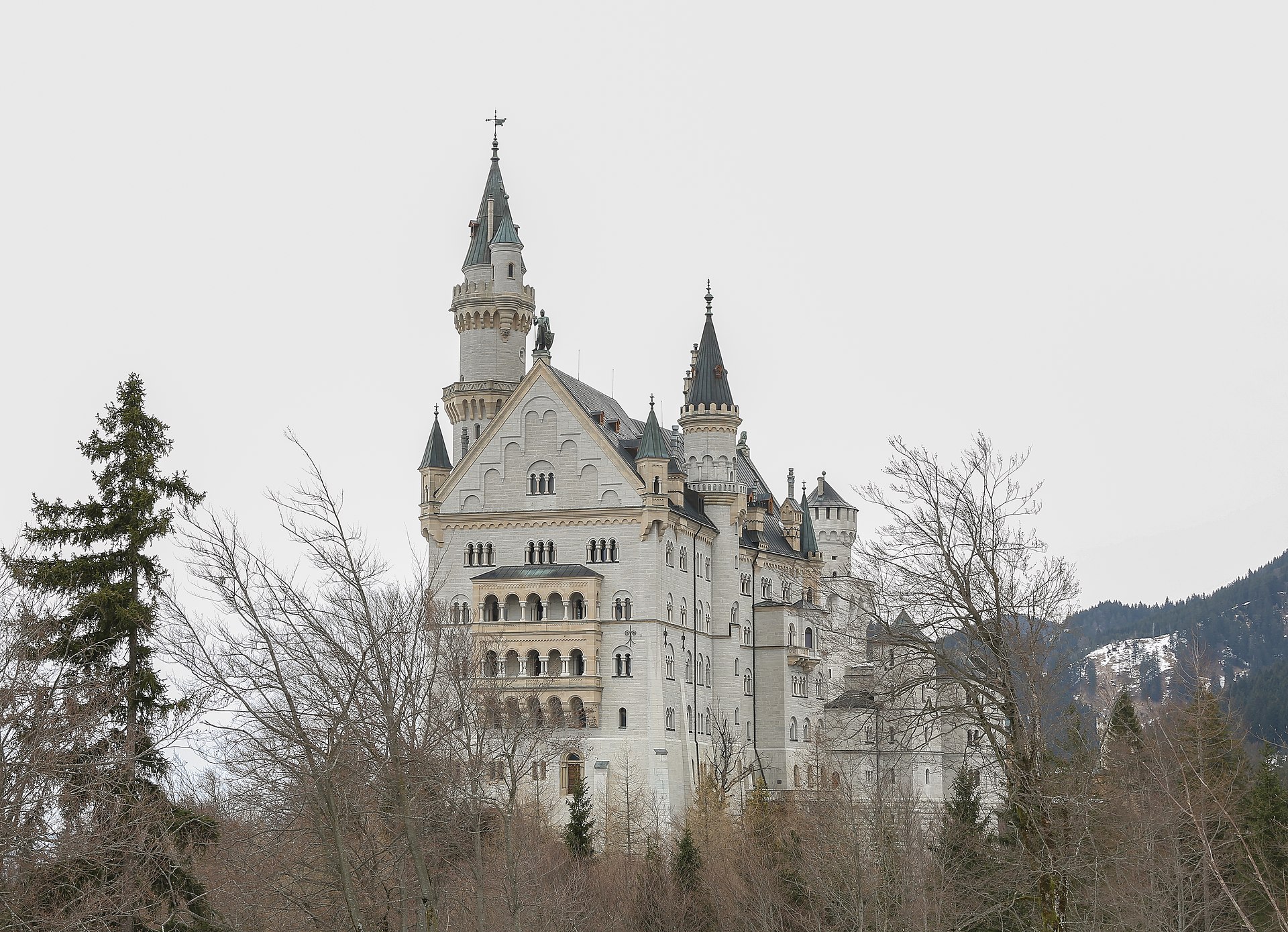
- Neuschwanstein Castle — Fairy-tale palace that inspired Disney's castle
- Beer Hall Culture — Munich's legendary Hofbrauhaus and traditional brewing heritage
- Museum Island — 5 world-class museums on a UNESCO-listed island
- Christmas Markets — Historic markets in Nuremberg, Dresden, and across Germany
- Automotive Museums — Mercedes, BMW, Porsche museums for car enthusiasts
Tips for Visitors
- Best time — May–September for warm weather, December for Christmas markets
- Language — Many Germans speak English, especially in cities, but guides enhance understanding
- Public transport — Excellent train and metro systems; guides help navigate Deutsche Bahn
- Tipping — 10% for private guides, €5–10 for group tours, or tip-based for free tours
- Museum passes — Many cities offer multi-day museum cards with skip-the-line benefits
- Book ahead — Summer and Christmas market season (Nov–Dec) fill up 4–6 weeks in advance
- Pricing note — Berlin and Munich prices tend to be 15–20% higher than other cities. Museum entry fees usually separate
When is the best time to visit Germany?
Frequently Asked Questions
What is the best time of year to visit Germany?
May through September brings warm weather ideal for Rhine Valley cruises, Bavarian hiking, and Berlin's open-air cultural scene. December is magical for traditional Christmas markets in Nuremberg, Dresden, and Cologne. Shoulder months like April and October offer mild weather with smaller crowds at major museums and castles.
How much does a private tour guide cost in Germany?
Free walking tours: tips-based, €10-15 typical (2-3 hours). Group tours: €20-35 per person. Private half-day: €150-280 (up to 6 people). Private full-day: €300-550. Specialist guides for WWII history, architecture, or beer culture: €350-600 per day.
Do I need to speak the local language to travel in Germany?
Many Germans speak functional English, particularly in cities and tourist areas, but rural regions and smaller towns rely heavily on German. A guide bridges the gap at local beer halls, navigates regional dialects, and provides essential context for Germany's layered history — from medieval cathedrals to Cold War memorials.