

Overview
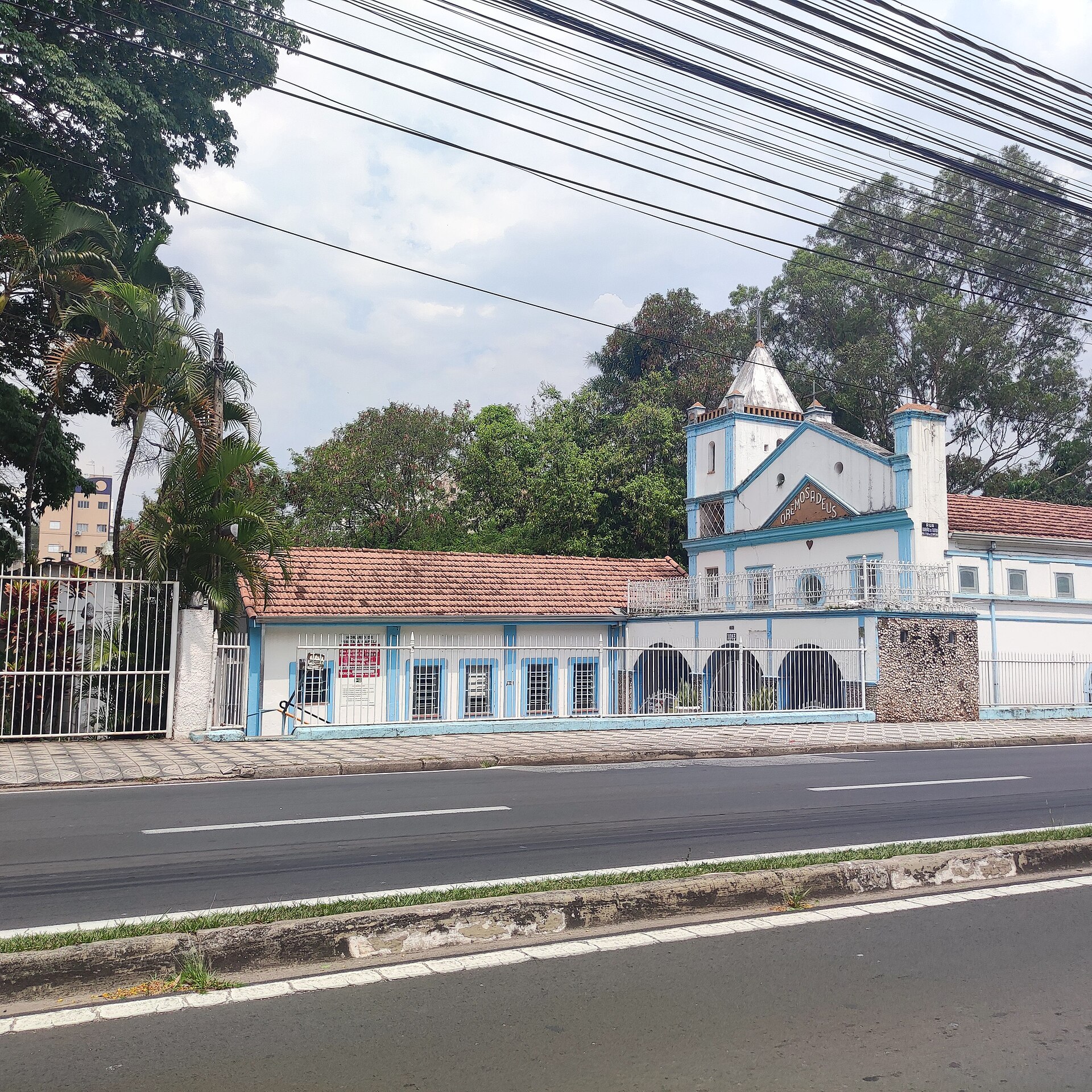
The Igreja do Senhor do Bonfim is Salvador's most important religious site, a 1754 Rococo church that embodies the syncretic fusion of Catholic tradition with Afro-Brazilian Candomble spirituality that defines Bahian culture. The church sits on the Sagrada Colina (Sacred Hill) of the Itapagipe peninsula, overlooking All Saints Bay with commanding views that have drawn pilgrims for nearly three centuries. The exterior is famous for the colorful fitinhas (wish ribbons) tied to its iron gates — visitors make three wishes while tying three knots, and when the ribbon naturally falls off, the wishes are said to come true. Inside, the Sala dos Milagres (Miracle Room) contains thousands of ex-voto offerings: wax body parts, photographs, handwritten letters, and personal objects left by the faithful as testimony of healing or gratitude. A guide reveals why each ribbon color carries specific meaning rooted in Candomble orixa traditions — white for Oxala (creation), blue for Yemanja (the sea), yellow for Oxum (fresh water and fertility) — connections that most visitors miss without explanation.
Visitor Etiquette
Bonfim Church is one of Salvador's most sacred spaces, with active worship services and deeply personal devotional practices occurring daily. Dress modestly — covered shoulders and knees — as this is not merely a tourist attraction. In the Sala dos Milagres, maintain respectful silence: the ex-voto offerings represent real people's suffering, gratitude, and faith. Do not touch or rearrange the offerings. Photography is generally permitted in the main church but ask before photographing worshippers at prayer. During the Lavagem do Bonfim ceremony, participate respectfully or observe from a distance — this is a living spiritual tradition, not a performance for tourists. When tying fitinhas to the gates, do so with genuine intention rather than treating the practice as a novelty.
Spiritual Significance
Bonfim Church represents the deepest expression of Bahian sincretismo (religious syncretism), where Catholic devotion and West African Candomble spirituality have merged over three centuries of forced and voluntary cultural exchange. The church is dedicated to Nosso Senhor do Bonfim (Our Lord of Good Ending), who in the Candomble tradition is identified with Oxala, the supreme orixa of creation — a theological fusion that enslaved Africans in colonial Bahia developed to preserve their spiritual traditions under Catholic colonial authority. The Lavagem do Bonfim ceremony reenacts the washing rituals of Candomble terreiros (temples) within the framework of Catholic processional tradition, with Baianas carrying flower-scented water in ceramic vessels up the Sagrada Colina. The Sala dos Milagres functions as both Catholic ex-voto tradition and Candomble offering practice — the wax body parts echo European miracle room customs while the personal letters and photographs reflect African spiritual traditions of direct communication with the divine. This layered spiritual identity makes Bonfim Church not just a place of worship but a living monument to the resilience of Afro-Brazilian culture.
When to Visit
Church: Tuesday-Sunday 6:30 AM - 5 PM. Closed: Mondays. Best: Morning (7-9 AM) or late afternoon (3-5 PM) for cooler temperatures — the Itapagipe peninsula is exposed and hot at midday. Special: The Lavagem do Bonfim (Washing of Bonfim) ceremony occurs on a Thursday in January (date varies annually), drawing massive crowds of Baianas in traditional white dress who ritually wash the church steps with perfumed water. This is one of Salvador's most spectacular events. Sunday morning masses attract local congregations and offer an authentic worship experience.
Admission and Costs
Church entry: Free (donations appreciated). Wish ribbons (fitinhas): R$2-5 at vendors outside the gates — multiple colors available, each representing different orixa associations. Sala dos Milagres (Miracle Room): Free to view ex-voto offerings. Guided tour: R$100-150 per person with cultural context covering Candomble traditions, colonial history, and the Lavagem ceremony. Private guide: R$250-400 for a half-day covering Bonfim Church, the Itapagipe peninsula, and nearby Boa Viagem Beach.
Tips for Visitors
Buy ribbons from vendors outside the gates — multiple colors are available, each representing different wishes and orixa associations in the Candomble tradition. The three-knot ritual: tie the ribbon with three knots while silently making three wishes. Dress respectfully — this is an active place of worship with daily masses and deeply personal devotional practices. The Lavagem do Bonfim in January draws massive crowds and is worth timing your visit around if possible. Combine with the Itapagipe peninsula: visit nearby Boa Viagem Beach and the Sorveteria da Ribeira (famous local ice cream shop) on the same trip. The Sala dos Milagres can be emotionally intense — the thousands of personal testimonies of suffering and healing are genuinely moving regardless of your faith background. Getting there: the church is outside Pelourinho — take a taxi or arrange transport through a guide.