
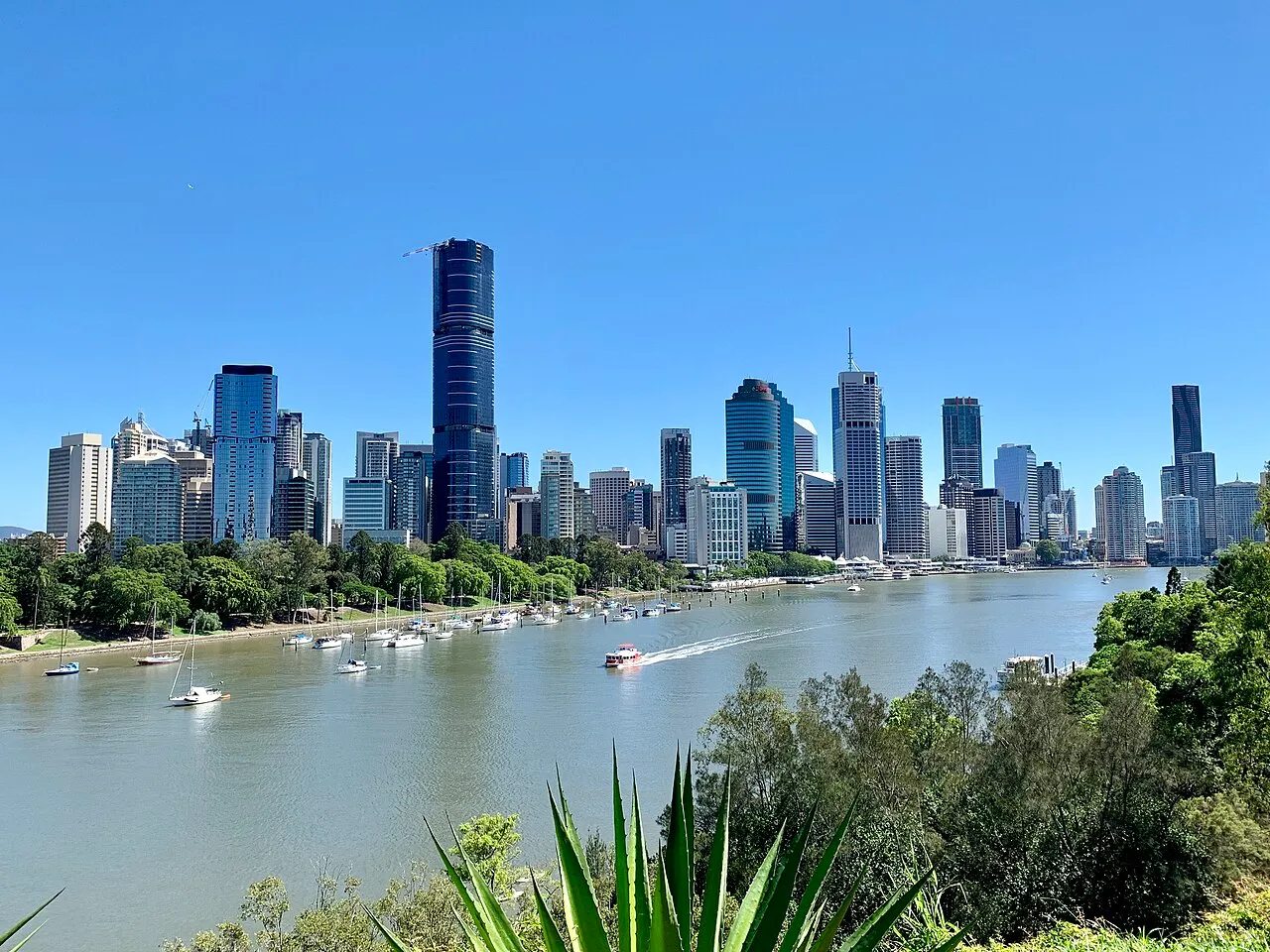
Brisbane timeline
-
Penal settlement founded
The Moreton Bay penal colony began the European city story around the Brisbane River.
-
Queensland capital named
Separation from New South Wales made Brisbane the capital of the new colony of Queensland.
-
Commonwealth Games arrive
The Games expanded Brisbane's sporting profile and public infrastructure.
-
World Expo transforms South Bank
Expo 88 remade the riverfront and set up the South Bank precinct visitors use today.
Cited city facts
Key facts for visiting Brisbane
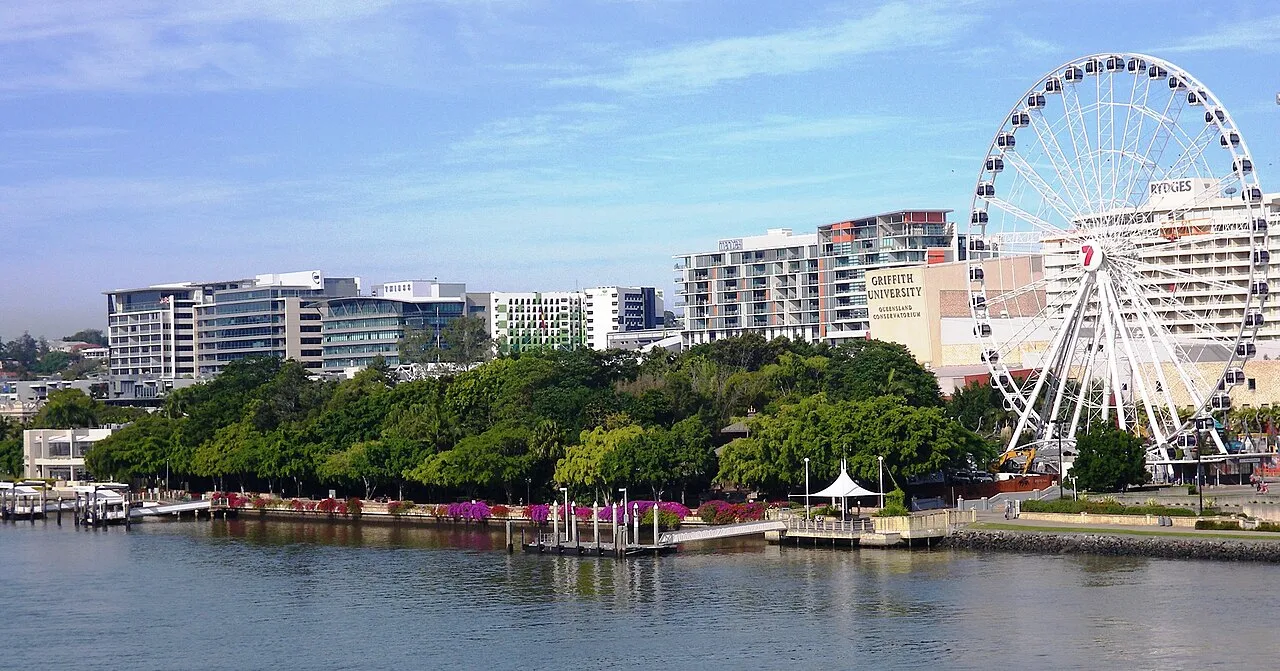
Brisbane's South Bank was transformed from an Expo 88 site into Australia's largest urban parkland
When the world's fair closed in 1988, the Queensland government converted the 17-hectare riverside site into a public cultural precinct containing a man-made beach, two major museums, a performing arts centre, rainforest walks, and restaurants — a successful model for post-event urban regeneration studied by cities around the world
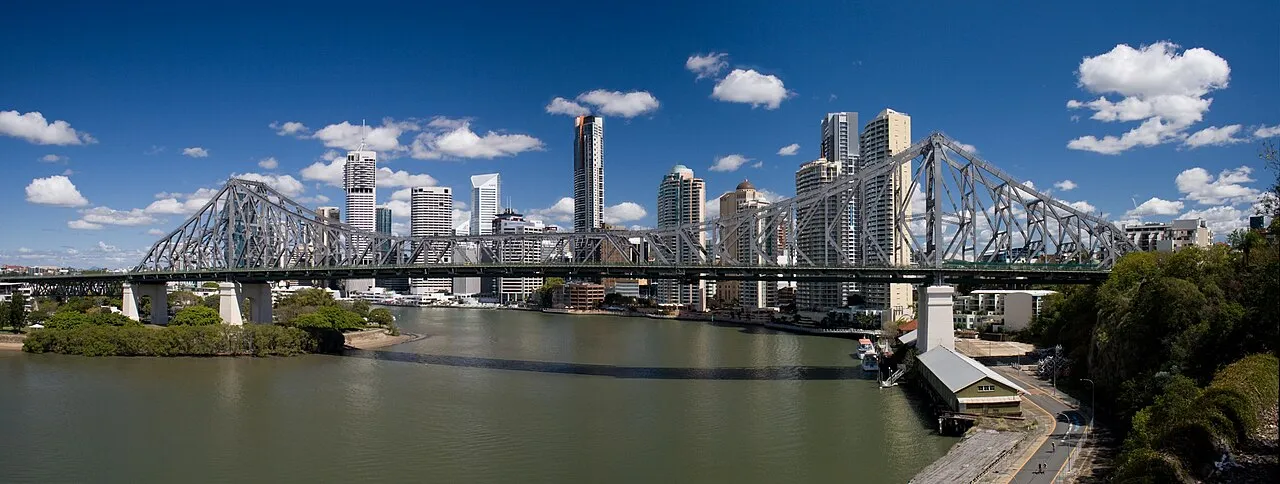
The Story Bridge was built between 1935 and 1940 using 18,000 tonnes of steel
Designed by Queensland engineer John Bradfield — who also designed the Sydney Harbour Bridge — the Story Bridge required three years of construction during the Great Depression, providing crucial employment and delivering a cantilever span that remains the longest of its kind in Australia
Lone Pine Koala Sanctuary opened in 1927 and is the world's oldest and largest koala sanctuary
Founded by Claude Reid who rescued two orphaned joeys, Lone Pine now cares for over 130 koalas along with wombats, Tasmanian devils, kangaroos, and Australian birds of prey — a model conservation facility that has contributed significantly to koala breeding programs for injured and orphaned animals
Brisbane will host the 2032 Summer Olympic and Paralympic Games
The Games are expected to accelerate investment in transport, venues, and public space across the region, cementing Brisbane's position as a globally connected city while showcasing Queensland's unique blend of subtropical lifestyle and outdoor sporting culture
Source: tour-guide.com — Free to cite with attribution
Things to see
What are the top attractions in Brisbane?
- South Bank Parklands — Brisbane's grand riverside cultural precinct with museums, a beach, and rainforest walks
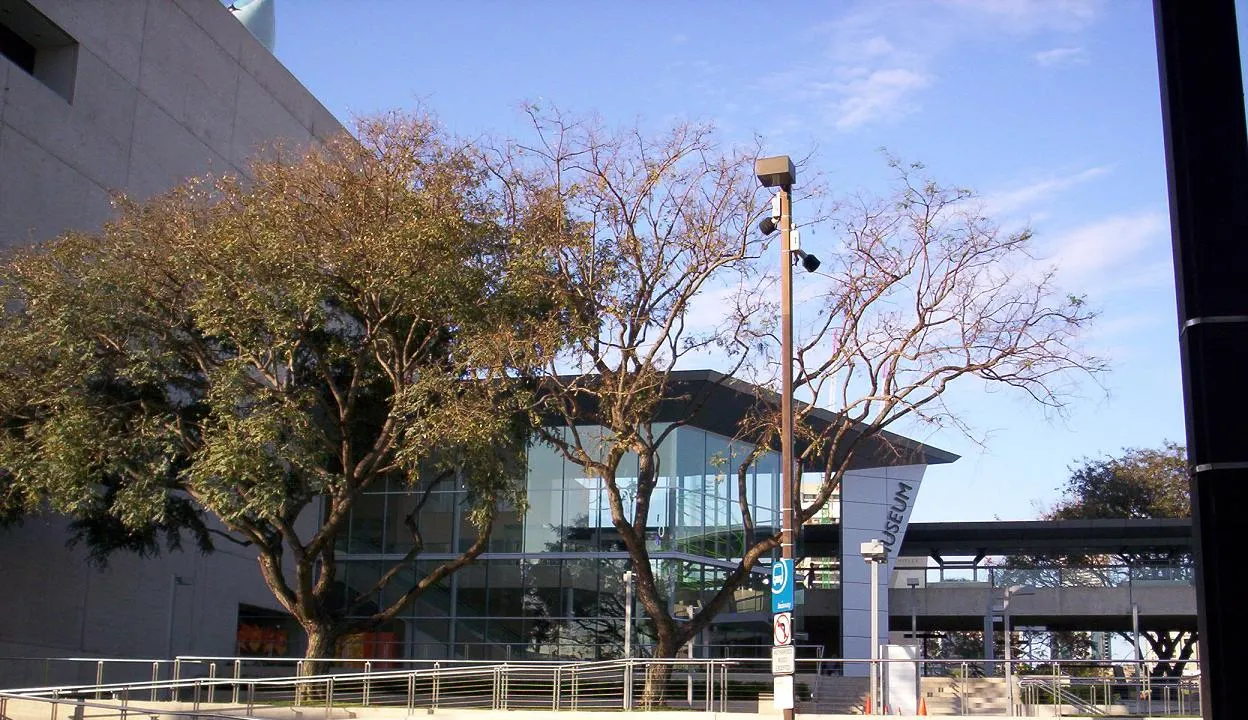
- Queensland Museum — one of Australia's finest natural history collections, including Queensland's dinosaur hall
- Story Bridge — dramatic guided climbs over a 1940 cantilever masterpiece with panoramic river views
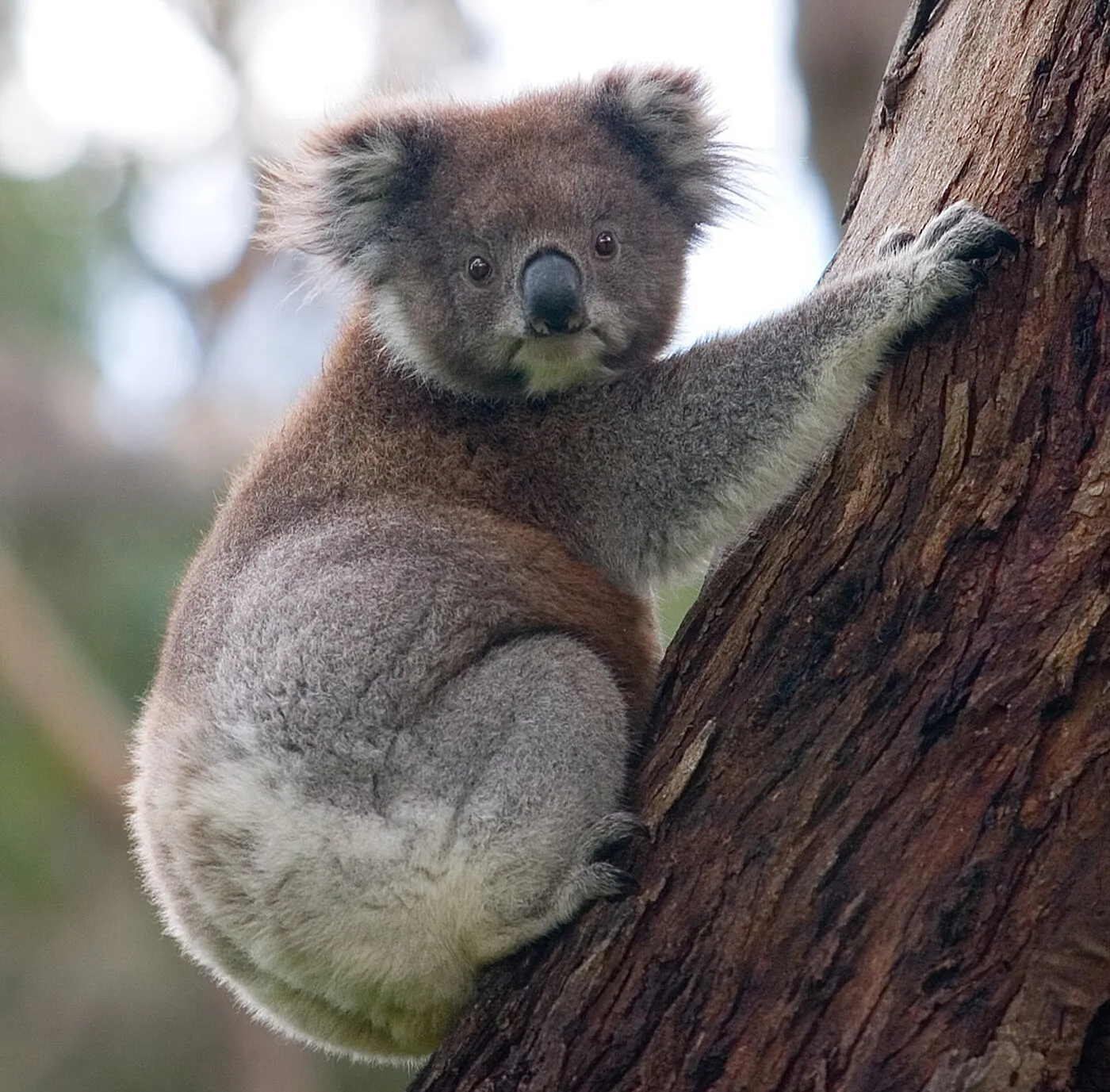
- Lone Pine Koala Sanctuary — hold a koala and meet wombats, Tasmanian devils, and free-ranging kangaroos
Lone Pine Koala Sanctuary
The world's oldest koala sanctuary — hold a koala, hand-feed kangaroos, and meet iconic Australian wildlife
Queensland Museum
Queensland's natural history, dinosaur hall, and Pacific cultural treasures under one roof in South Bank
South Bank Parklands
Brisbane's grand public living room — museums, a beach, rainforest walks, and restaurants on the river's south bank
Story Bridge
Scale the 1940 cantilever span that defines Brisbane's skyline — the city spreads in every direction from the summit
Guide planning
How much does a tour guide cost in Brisbane?
| Tour Type | Price | Details |
|---|---|---|
| City walking tour (tipping) | Free–A$25 | Per person, 2 hours |
| Story Bridge Adventure Climb | A$99–149 | Per person, dawn/day/twilight |
| Lone Pine Sanctuary entry | A$45 | Adult, koala-hold separate |
| Private full-day driver-guide | A$300–450 | Up to 4 people |
| South Bank cultural precinct tour | A$30–55 | Per person with guide |
| River cruise to Lone Pine | A$55–75 | Per person from North Quay |
Season planner
When is the best time to visit Brisbane?
June through August is Brisbane's sweet spot — mild, sunny days, low humidity, and the city's best outdoor festival season. The Ekka (Royal Queensland Show) arrives in August, transforming the Bowen Hills showgrounds into one of Australia's most beloved state fairs. April and May are equally lovely, with waning summer heat and the jacaranda trees not yet bloomed (they peak in November). For the Story Bridge climb, dawn slots in autumn and winter deliver the most dramatic light — the sky turns apricot above the river bends as the city wakes. Avoid outdoor activities during Brisbane's summer (December–February) afternoon thunderstorms, which build predictably after 2 PM.
Spring
Mar-May
Summer
Jun-Aug
Autumn
Sep-Nov
Winter
Dec-Feb
Each score averages that season’s monthly ratings out of 5. The top-rated window is usually the peak season too, so read the guidance above for its trade-offs before you book.
On the ground
How do you get around Brisbane?
Brisbane's free CityHopper ferry is the most enjoyable way to connect South Bank, the CBD, Kangaroo Point, New Farm, and the Cultural Precinct — it runs every 30 minutes from 6 AM to midnight and requires no ticket or go card. The broader TransLink network of trains and buses uses a single go card, available from station machines. For Lone Pine Koala Sanctuary, bus 445 departs from the CBD's Cultural Centre terminal and takes about 40 minutes; alternatively, the MV Mirimar river cruise from North Quay departs at 10 AM and glides down the river to the sanctuary's private jetty — one of Brisbane's best-value experiences at around A$55–75 per person (sanctuary entry A$45 adult, priced separately). Uber operates across greater Brisbane and is the most convenient option for off-network destinations.
Brisbane in Pictures
Frequently Asked Questions
What is the best time to visit Brisbane?
Brisbane enjoys a subtropical climate with warm, sunny weather year-round, but the coolest and driest months from June through August are the most comfortable for outdoor exploration. Winter temperatures rarely drop below 12 degrees at night and typically reach 21 degrees by midday, making this the peak season for outdoor events, markets, and comfortable river walks. Summer from December to February brings heat, humidity, and occasional thunderstorms — still enjoyable for beach day trips to the Sunshine or Gold Coasts, but the afternoons can feel heavy in the city centre. Spring (September to November) offers increasingly warm temperatures without peak-season crowds.
How much does a tour guide cost in Brisbane?
Group city walking tours in Brisbane typically cost A$30–55 per person for a two-hour experience. The Story Bridge Adventure Climb costs A$99–149 per person depending on the time of day, with dawn and twilight climbs commanding a premium for the light quality. A full-day private driver-guide covering South Bank, Lone Pine, and a river cruise runs A$300–450 for up to four people. The Lone Pine Koala Sanctuary charges A$45 adult entry separately from any guiding fees. Free city walking tour operators offer tipping-based guided walks departing from the Queen Street Mall.
How do you get around Brisbane?
Brisbane's integrated TransLink network combines trains, buses, and river ferries on a single go card (contactless smart card). The free CityHopper ferry loops between South Bank, the CBD, Kangaroo Point, and New Farm Park every 30 minutes from 6 AM, making waterfront attractions exceptionally easy to connect. CityCycles bike share stations are distributed throughout the inner city. Uber operates reliably throughout greater Brisbane. For Lone Pine Koala Sanctuary, bus 445 departs from the CBD or a river cruise from North Quay connects you directly to the sanctuary's private jetty.