

Overview
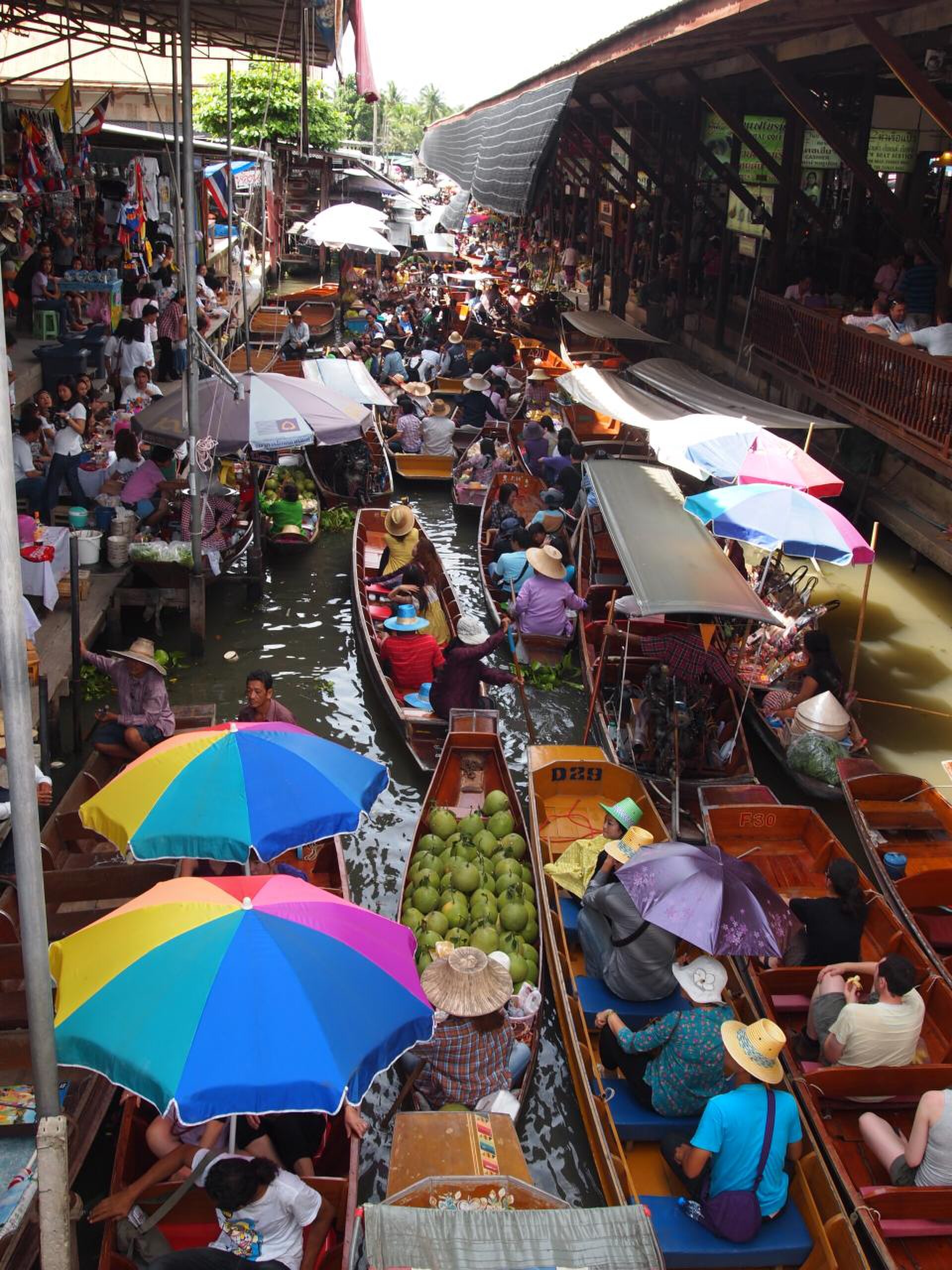
Floating markets represent Thailand's traditional canal-based commerce dating back centuries when waterways served as main transportation routes. Vendors paddle wooden boats laden with fresh fruits, vegetables, prepared foods, and souvenirs through narrow canals, creating a colorful spectacle unique to Thai culture. While some markets near Bangkok cater heavily to tourists, others retain authentic local character. Understanding which market matches your interests and navigating boat tours, vendors, and photography opportunities benefits enormously from expert local guidance. Pair this stop with the Bangkok guide and the wider Thailand overview.
Food Stalls
Market selection: Choose between tourist-focused vs. authentic local markets based on preferences. Transport logistics: Markets are 30-90 minutes from Bangkok - guides handle complicated routing. Boat negotiation: Avoid overpriced tourist boats - guides arrange fair pricing with trusted captains. Food safety: Identify fresh, properly prepared food vendors versus risky options. Cultural context: Understand market history, vendor lifestyle, traditional commerce practices. Photography expertise: Best angles, respectful shooting, optimal timing for light and activity
What To Buy
Boat-to-boat commerce - Watch vendors paddle alongside, exchange goods and money on water. Boat noodles - Freshly cooked pad thai, noodle soup prepared on floating kitchens. Fresh tropical fruit - Mango, rambutan, mangosteen sold from boats by friendly vendors. Coconut ice cream - Served in coconut shells, refreshing in tropical heat. Stilt houses - Traditional wooden homes along canals, locals' daily life. Firefly tours (Amphawa) - Evening boat rides to see fireflies illuminating mangrove trees. Vendor portraits - Colorful boats, conical hats, photogenic scenes (ask permission). Grilled seafood - Fresh prawns, fish, squid cooked over charcoal on boat platforms
When to Visit
Damnoen Saduak: 7:00 AM - 12:00 PM (peak 8-10 AM) - Most famous, 1.5 hours from Bangkok. Amphawa: Friday-Sunday 3:00 PM - 9:00 PM - More authentic, firefly boat tours evening. Taling Chan: Saturday-Sunday 8:00 AM - 5:00 PM - Closest to Bangkok, locals preferred. Khlong Lat Mayom: Saturday-Sunday 8:00 AM - 5:00 PM - Authentic neighborhood market. Best time: Arrive early morning (7-8 AM) before tour groups and heat
Admission and Costs
Market entrance: Free at most markets. Paddle boat rides: 200-400 THB per person (30-60 minutes). Longtail boat: 600-1,000 THB per boat (holds 4-6 people). Food/drinks: 40-100 THB per dish from vendors. Group tour from Bangkok: 1,200-2,000 THB per person (includes transport, boat, guide). Private tour: 3,500-5,500 THB for up to 4 people (full day, multiple markets)
Tips for Visitors
Arrive early: Markets busiest 8-10 AM, best products and photo opportunities before crowds. Sun protection: No shade on boats - bring hat, sunglasses, high SPF sunscreen. Waterproof protection: Keep phone/camera in waterproof case or bag - splashing common. Damnoen Saduak trade-off: Most photogenic but very touristy, prices inflated, aggressive vendors. Amphawa advantage: More authentic, evening seafood scene, locals shopping alongside tourists. Taling Chan best for: Limited time, want local experience without long journey. Cash only: Bring small bills (20, 50, 100 THB) - vendors rarely have change for 1,000 notes. Food exploration: Try unusual fruits, traditional desserts, fresh seafood - guides ensure safety